
US Technology Policy Shock as Supreme Court Hands Apple Major Legal Defeat in Epic Games Battle Washington 2026

US technology policy discussions intensified after the Supreme Court declined Apple’s emergency legal request.
The Epic Games dispute continues shaping debates over app marketplace competition and digital payments.
Regulators and technology companies worldwide are closely monitoring the legal battle in 2026.
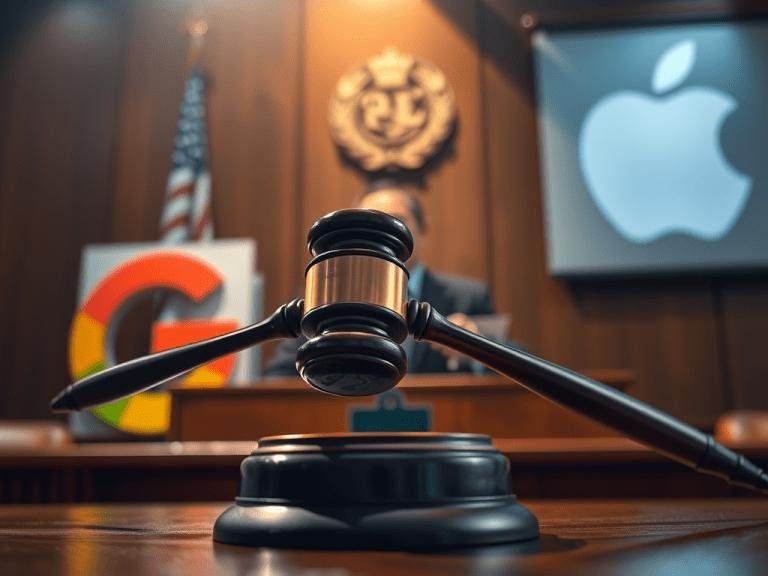
Washington, D.C., United States – May 6, 2026 (Washington Insider Magazine) US technology policy discussions intensified Wednesday after the Supreme Court of the United States declined to pause a lower court contempt-related order involving Apple Inc. during its long-running legal dispute with Epic Games. The latest decision added new pressure on Apple’s App Store practices while increasing attention on digital marketplace regulation and competition law in the United States.
The case has become one of the most influential legal battles shaping modern US technology policy because it directly challenges how major technology platforms manage app distribution, payment systems, and developer access.
“The outcome of this case could redefine digital marketplace power,”
one Washington-based legal analyst stated.
Apple Faces Growing Regulatory Scrutiny
The ongoing US technology policy debate surrounding Apple centers heavily on App Store payment restrictions and marketplace control.
Epic Games originally challenged Apple after attempting to bypass Apple-controlled payment systems inside Fortnite. Apple later removed the game from its App Store, triggering years of legal conflict involving competition law and digital commerce rules.
Developers worldwide argue mandatory payment systems create unfair financial pressure and reduce competition inside app marketplaces.
Apple has defended its policies by emphasizing privacy protection, transaction security, and platform integrity.
The latest court action keeps the legal pressure active while broader appeals continue through the judicial system.
App Store Rules Become Global Competition Issue
The broader US technology policy environment now includes increasing global scrutiny directed toward dominant technology ecosystems.
Governments in Europe, Asia, and North America continue examining whether digital marketplace operators maintain excessive control over developers and consumers.
Mobile app ecosystems generate billions of dollars annually through subscriptions, digital transactions, gaming purchases, and streaming services.
Because smartphones now play essential roles in daily commerce and communication, regulators increasingly view app marketplaces as critical infrastructure within the digital economy.
Industry analysts say future technology regulation may be heavily influenced by the Apple-Epic legal dispute.
History of Antitrust Pressure on Big Tech
Major technology corporations have faced growing antitrust investigations over the last decade as regulators attempted to address concerns involving digital market concentration.
Earlier enforcement actions focused primarily on search engines, online advertising, e-commerce operations, and social media platforms.
More recently, mobile app stores emerged as central regulatory targets because they control access to large portions of the digital economy.
Legal experts believe the Apple-Epic conflict may become one of the most important cases influencing the future direction of US technology policy and platform competition standards.
Developers Continue Demanding Greater Flexibility
Software developers remain deeply interested in the legal outcome because changes to App Store rules could significantly affect business operations and profitability.
Many smaller companies argue commission structures reduce revenue and limit innovation opportunities.
Gaming firms are especially invested because mobile gaming represents one of the largest entertainment industries globally.
The ongoing US technology policy dispute therefore extends far beyond a single company disagreement and now affects broader digital commerce systems worldwide.
“Developers want more freedom to manage customer relationships directly,”
one Silicon Valley consultant explained.
Regulators Worldwide Monitor Court Proceedings
International regulators continue watching developments connected to the growing US technology policy debate because future court rulings could shape worldwide enforcement strategies.
European authorities already introduced regulations requiring greater payment flexibility inside app marketplaces.
Several Asian governments are also evaluating stronger oversight involving platform competition and digital payment systems.
Technology companies operating globally may eventually need to adapt business practices depending on how courts and regulators interpret competition laws tied to digital ecosystems.
Investors Assess Long-Term Technology Risks
Financial markets continue evaluating how legal uncertainty surrounding major technology companies may affect future profitability.
App marketplaces remain highly valuable revenue sources for companies like Apple because they generate recurring commission income tied to digital purchases and subscriptions.
At the same time, stricter competition rules could potentially reduce operational control while increasing compliance obligations.
The evolving US technology policy landscape therefore remains a major focus for investors monitoring long-term technology sector growth.
“Regulatory pressure is becoming one of the defining challenges facing Big Tech,”
a New York investment strategist stated.
Consumer Impact Could Expand Beyond Gaming
Although the lawsuit originated within the gaming industry, its consequences may eventually affect millions of consumers worldwide.
Potential changes to app marketplace rules could influence subscription pricing, digital payment systems, and software purchasing options.
Supporters of stronger competition argue consumers may benefit from lower fees and expanded payment choices.
Others warn that fragmented payment systems could create cybersecurity and fraud concerns if centralized protections weaken.
The ongoing legal conflict highlights how modern US technology policy increasingly affects everyday digital experiences.

The growing US technology policy debate surrounding Apple and Epic Games continues reshaping discussions involving app marketplace competition, platform authority, and digital commerce regulation in 2026.
After the Supreme Court declined Apple’s emergency request, legal and regulatory pressure intensified while developers, investors, and international regulators closely monitored the dispute.
The outcome may ultimately influence how governments worldwide regulate dominant digital platforms and mobile app ecosystems for years to come.