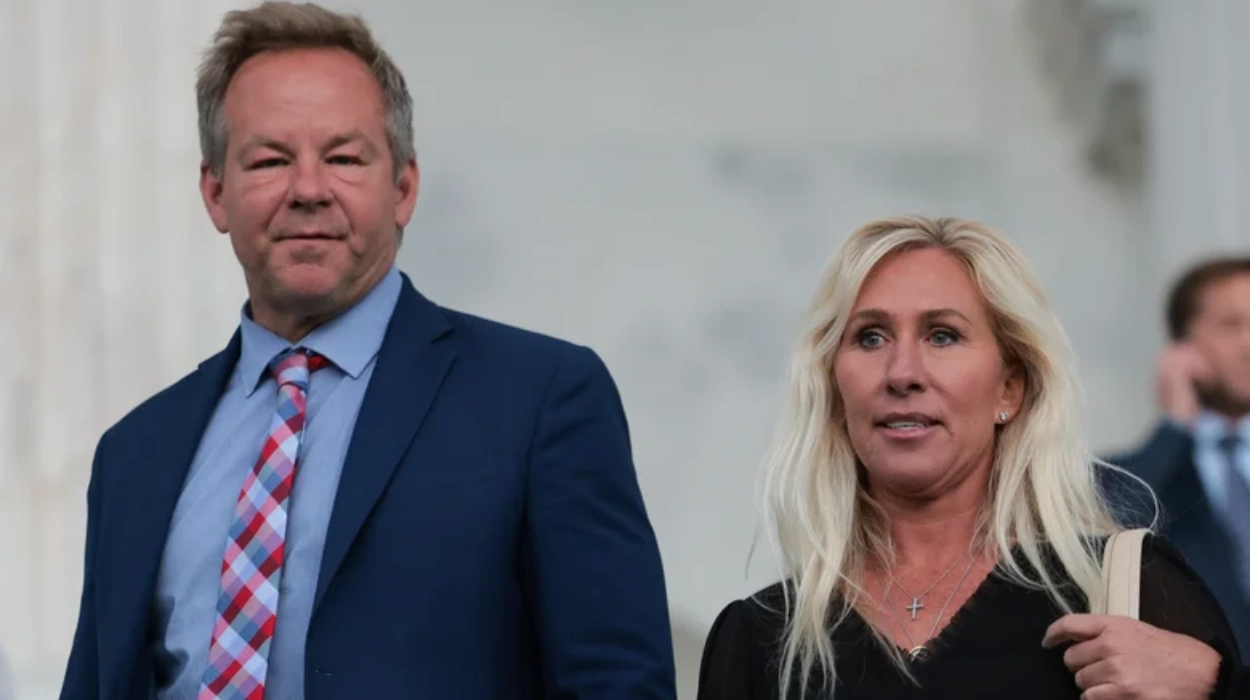

Washington (Washington Insider Megazines) – Marjorie
Taylor Greene’s latest confrontation with Republican leaders in the US House of
Representatives has highlighted deep internal tensions within the party, as
disputes over strategy, loyalty to former President Donald Trump, and the
direction of the Republican agenda continue to unfold.
In recent weeks, Greene has publicly criticised senior
GOP figures, threatened procedural disruption, and framed her stance as a
defence of the party’s conservative base. The developments have underscored
ongoing fractures inside the Republican conference even as the party seeks
unity ahead of major legislative battles and the 2026 electoral cycle.
The Georgia congresswoman has used both formal congressional
mechanisms and public messaging to challenge her own leadership, repeatedly
signalling that she believes Republican leaders are not doing enough to pursue
Trump-aligned priorities.
Her criticisms, including over spending legislation and
cooperation with Democrats on key votes, have drawn support from some right‑wing
allies but also open pushback from other Republicans. The escalating dispute
has renewed questions about party discipline in the narrowly divided House and
the influence of hardline factions on the GOP’s legislative strategy.
Greene’s public challenges to party leadership
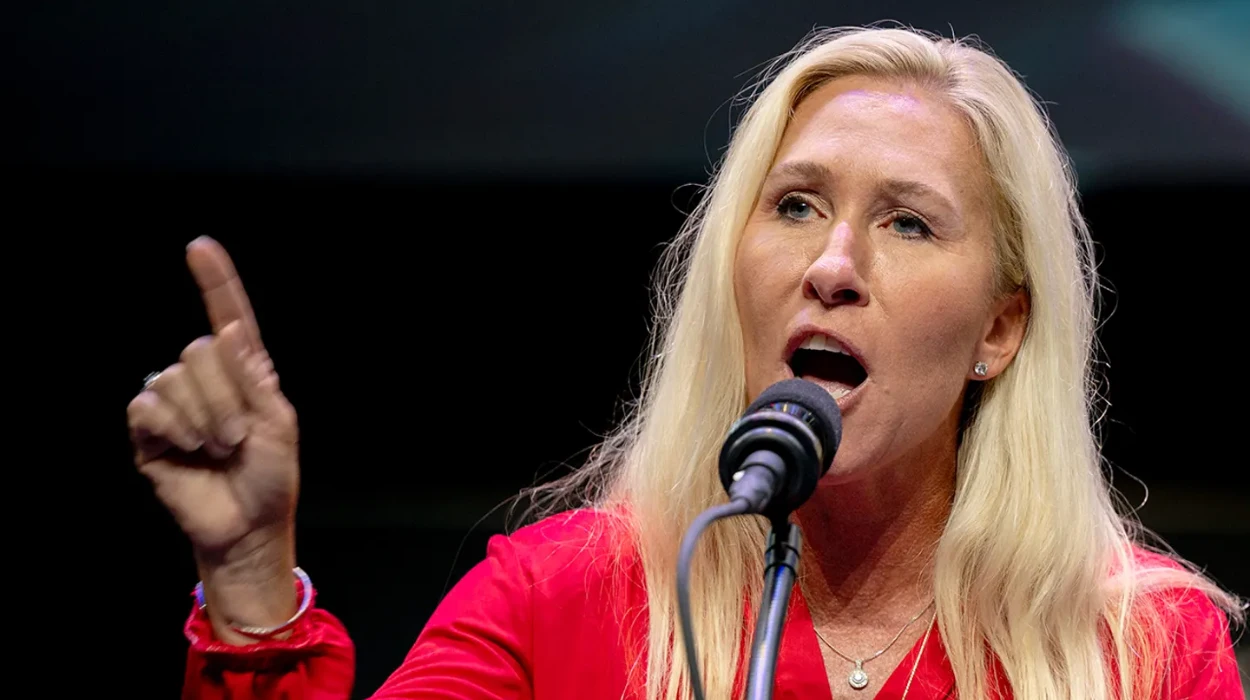 Credit: Brandon Bell/Gretty Image
Marjorie Taylor Greene, a Republican representing Georgia’s
14th congressional district, has built much of her national profile on open
confrontation with her party’s leadership and on alignment with Donald Trump’s
political and policy agenda. In a series of public statements and media
appearances, Greene has accused Republican leaders of failing to uphold
promises to their voters on issues such as federal spending, border security
and investigations related to the Biden administration.
She has framed her objections as an effort to ensure that
the House Republican majority reflects the priorities of conservative voters
who remain strongly supportive of Trump.
Her criticism has at times focused on specific votes where
GOP leaders worked with Democrats to avoid government shutdowns or to pass
large budget measures. Greene and other members of the party’s right flank have
argued that such deals amount to concessions that dilute the party’s negotiating
position in Washington.
In response, senior Republican figures have emphasised the
need to maintain basic government operations and have argued that compromise is
sometimes necessary in a closely divided Congress, particularly when Democrats
control the Senate and the White House.
Use of procedural tools and threats of disruption
Greene has also drawn attention by using, or threatening to
use, formal House procedures to put pressure on Republican leadership. This has
included support for, or discussion of, measures that can be used to challenge
the Speaker’s position or to slow legislative business on the House floor.
These tactics reflect the leverage individual members or small groups can hold
in a chamber where the governing majority is slim, making it difficult for
leaders to afford many defections on key votes.
Such manoeuvres have previously contributed to leadership
turmoil within the Republican conference, including drawn‑out Speaker elections
and threats to remove sitting Speakers through procedural motions. While Greene
has positioned these steps as necessary to enforce accountability and
conservative discipline, some Republicans have publicly warned that repeated
internal showdowns risk undermining the party’s ability to present a coherent
agenda to voters and to negotiate effectively with the Senate and the White
House.
Alignment with Trump and influence on GOP agenda
 Credit: Getty Images
Marjorie Taylor Greene has repeatedly aligned herself with
Donald Trump, endorsing his priorities and presenting herself as one of his
most outspoken defenders in Congress. She has frequently echoed his positions
on election‑related issues, border and immigration policy, and investigations
into the Biden administration and its officials.
Her speeches and social media posts regularly emphasise
loyalty to Trump as a central organising principle for the party’s future
direction.
This close association with the former president has given
Greene considerable visibility among his supporters and has helped her mobilise
a national fundraising base. At the same time, it has also made her a focal
point in debates over how closely the congressional Republican agenda should
track Trump’s positions.
Some GOP lawmakers have welcomed the pressure she exerts in
pushing for more confrontational tactics, while others have cautioned that
highly polarising strategies and rhetoric can complicate efforts to broaden the
party’s appeal in competitive districts and states.
Reactions within the Republican conference
Response to Greene’s confrontations inside the Republican
conference has been mixed, reflecting broader ideological and strategic
divides. Members aligned with the party’s most conservative factions have often
defended her right to challenge leadership and to insist on strict adherence to
campaign promises, particularly on spending cuts and investigations.
For this group, Greene’s approach is seen as a corrective to
what they view as a tendency among some Republican leaders to compromise too
readily with Democrats.
However, other Republicans have expressed concern that high‑profile
internal conflicts, combined with frequent public criticism of their own
leadership, risk overshadowing policy achievements and undermining the party’s
image as a governing force.
Some members have pointed to the need to maintain unity to
advance major legislative priorities and to prepare for upcoming elections,
arguing that repeated public disputes feed a perception of instability within
the GOP. In this context, Greene’s statements, and the reactions they draw,
have become a recurring point of tension within internal party meetings and
strategy sessions.
Impact on legislative priorities and House operations
The disputes surrounding Greene’s actions have also had
practical implications for the House’s day‑to‑day operations and legislative
calendar. In a narrowly divided chamber, small groups of lawmakers, or even
individual members, can delay votes, complicate negotiations, or force
leadership to spend significant time and political capital on internal
management rather than on advancing a broader agenda.
Greene’s willingness to use procedural threats has therefore
been closely watched by both Republican and Democratic lawmakers.
This dynamic has been evident during negotiations over
budget measures, foreign policy votes and oversight‑related resolutions. In
some instances, party leaders have had to amend planned legislative packages or
delay floor action in order to secure enough support within their own ranks.
The need to accommodate or respond to demands from Greene
and other hardline members has, in turn, influenced the content and timing of
certain bills, sometimes resulting in narrower or more symbolic measures than
originally proposed.
Previous controversies and committee assignments
Marjorie Taylor Greene’s role inside the Republican Party
has been shaped not only by recent disputes but also by earlier controversies.
Shortly after entering Congress, she faced widespread criticism over past
social media posts and statements promoting conspiracy theories and endorsing
violence against political opponents.
In 2021, the Democratic‑led House voted to remove her from
committee assignments, a move that was backed by most Democrats and opposed by
the majority of Republicans.
When Republicans later gained control of the House, Greene
was restored to committee posts, reflecting both her standing with key
conservative constituencies and the party’s broader effort to unify its members
in the new majority. Her reinstatement coincided with an expanded role in
pushing for investigations and oversight of the Biden administration.
However, the earlier disputes over her conduct and public
statements have continued to shape how colleagues, both Republican and
Democrat, respond to her interventions and assess her influence within the
conference.
Relationship with other high‑profile conservatives
Greene’s position within the party has at times intersected
with, and at times diverged from, other prominent conservative figures in
Congress. She has collaborated with some members of the House Freedom Caucus
and other right‑wing blocs on issues such as opposition to large spending
packages and support for aggressive investigative measures.
These alliances have helped amplify her voice on matters of
shared concern, particularly related to Trump‑aligned priorities and resistance
to Democratic initiatives.
However, there have also been public disagreements between
Greene and some of her conservative colleagues over tactics, endorsements and
strategic choices, including during intra‑party disputes over House leadership
and specific legislative negotiations. These differences have occasionally led
to realignments within hardline factions, affecting voting blocs and coalition‑building
on the House floor. The evolving nature of these relationships has contributed
to the complex internal landscape that Republican leaders must navigate when
assembling majorities for key votes.
Democratic response and use in political messaging
Democratic lawmakers have frequently cited Greene’s
prominence and statements as evidence, in their view, of growing extremism
within the Republican Party. In floor speeches, press conferences and campaign
materials, Democrats have pointed to her comments and actions as part of a
broader critique of GOP leadership decisions and of Trump’s continued influence
over the party.
They have also used Greene’s clashes with Republican leaders
to argue that internal divisions hinder the House’s ability to address national
priorities.
During legislative debates, Democrats have sometimes
highlighted Greene’s role when opposing Republican proposals, seeking to tie
her public positions to the content of bills or amendments under consideration.
This approach has been particularly visible during high‑profile votes related
to budget negotiations, social policy and oversight investigations.
By elevating her profile in their messaging, Democrats have
aimed to frame broader political narratives around the internal struggles and
ideological direction of the Republican conference.
Electoral implications and outlook for 2026 cycle
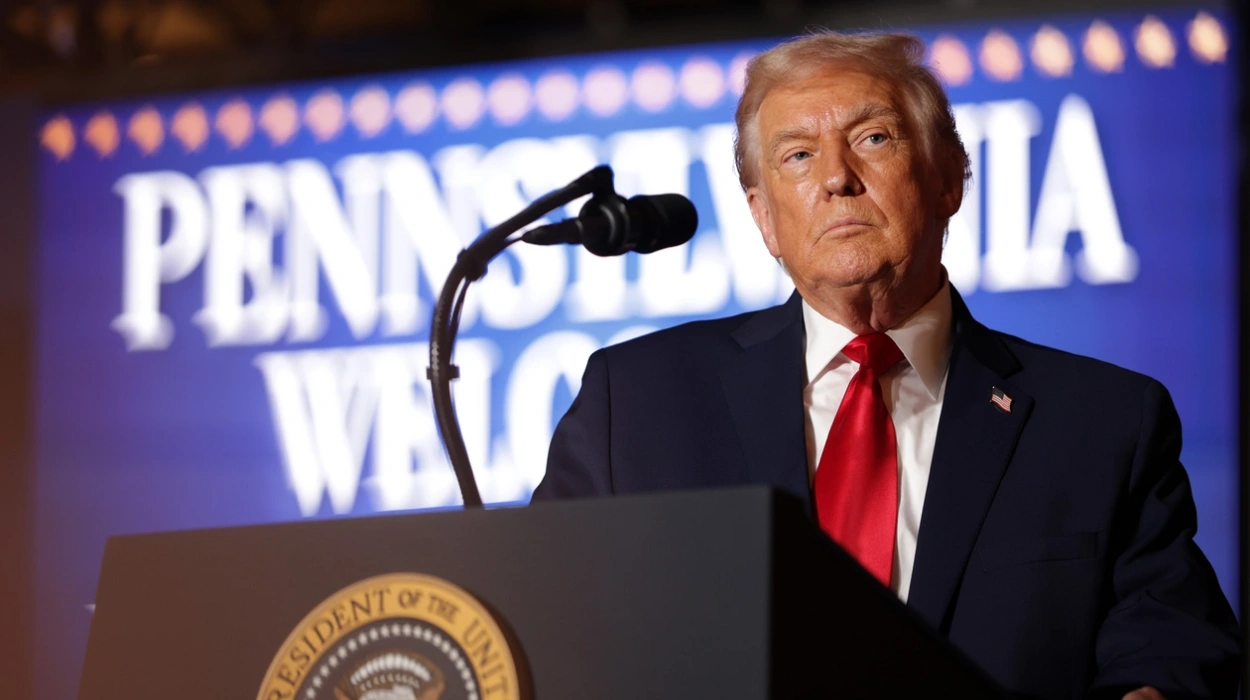 Credit: Alex Wong/Getty Images
As the 2026 mid‑term election cycle approaches, Greene’s
ongoing confrontations with party leadership are likely to remain a factor in
Republican and Democratic campaign strategies. For Greene herself, her stance
has solidified her support among many conservative voters in her strongly
Republican Georgia district, where alignment with Donald Trump remains a
central element of local and national political identity.
Her fundraising strength and media visibility have
reinforced her position as a significant figure within the party’s right wing.
Nationally, however, the impact of Greene’s prominence on
the GOP’s electoral prospects is viewed differently by various party
strategists and office‑holders. Candidates in competitive districts must
balance appeals to Trump‑aligned voters with efforts to win over independents
and moderates who may react differently to high‑profile confrontations and
hardline rhetoric.
As the campaign season develops, Republican leaders will
continue to manage internal dynamics, including Greene’s challenges, while
seeking to project a unified message on the economy, security and other key
issues ahead of November’s elections.