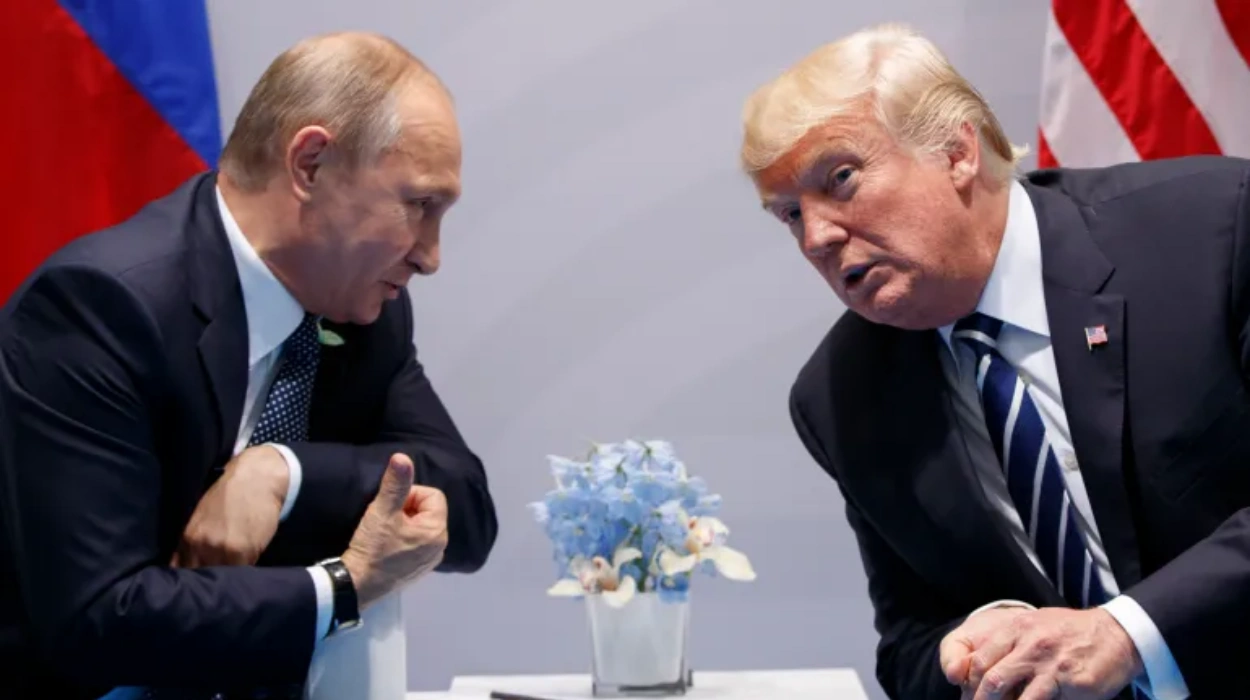

US-Russia relations have historically oscillated between
détente and confrontation, influenced by ideological clashes, resource
competitions, and shifting power balances. As of early 2026, escalating
military actions in Ukraine, nuclear posturing, and proxy conflicts worldwide
have intensified strains, with recent US accusations of Russian “dangerous
escalation” highlighting acute risks.
Historical Foundations of Rivalry
The roots of US-Russia tensions extend to the Cold War
(1947-1991), a period defined by bipolar superpower competition. The US and
Soviet Union amassed approximately 70,000 nuclear warheads by the 1980s, with
mutual assured destruction (MAD) doctrine preventing direct conflict but
fueling proxy wars in Korea, Vietnam, and Afghanistan. Key milestones included
the 1962 Cuban Missile Crisis, where Soviet missiles in Cuba brought the world
to the brink of nuclear war, resolved only through secret US Jupiter missile
withdrawal from Turkey.
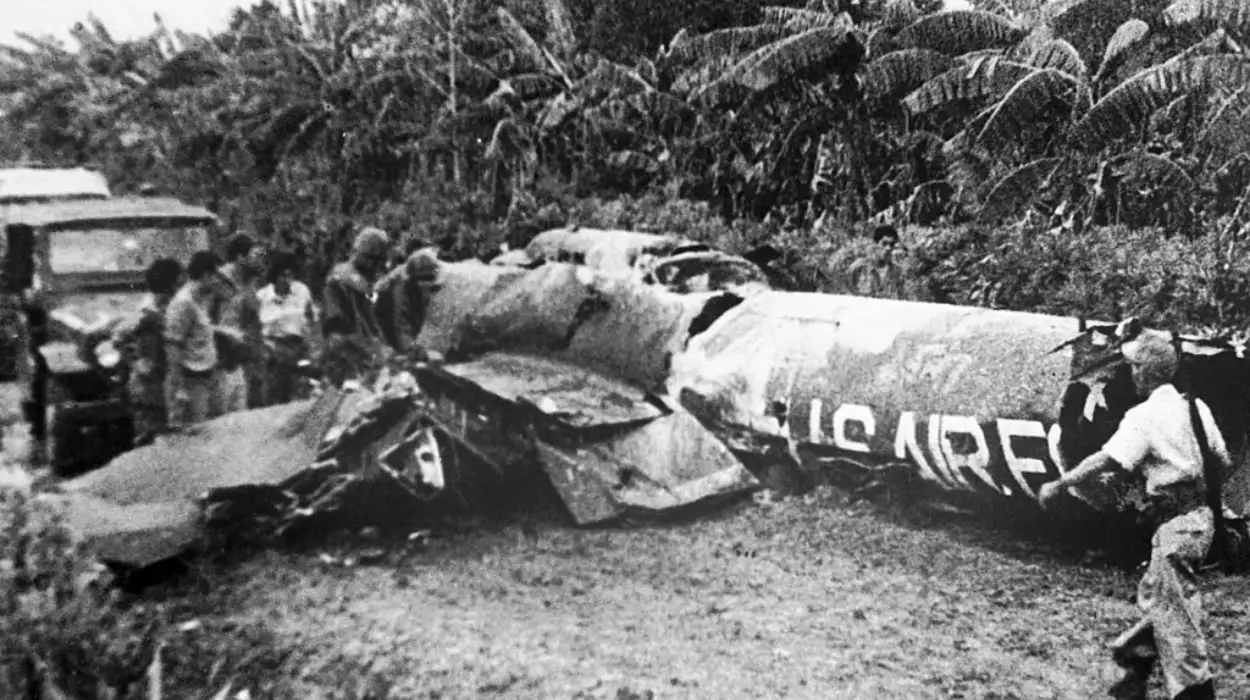 Credit: Gamma-Keystone via Getty Images
Post-1991 Soviet collapse, relations briefly thawed. The US
extended Most Favored Nation status to Russia in 1992, and the Cooperative
Threat Reduction (Nunn-Lugar) program dismantled 7,619 nuclear warheads and 906
ICBMs by 2012, at a cost of $20 billion. NATO-Russia Founding Act (1997)
promised no eastward expansion, yet NATO grew from 16 to 32 members by 2025,
incorporating Baltic states and former Warsaw Pact nations, which Russia cited
as a “red line” in its 2008 Munich Speech by Vladimir Putin.
Bilateral trade peaked at $42 billion in 2011, driven by energy
exports, but arms control treaties like SORT (2002) and New START (2010) set
deployed warhead limits at 1,550 each, verified through 18 annual inspections
until Russia’s 2023 suspension. These foundations reveal a pattern: cooperation
amid mutual vulnerabilities, eroded by perceived encirclement.
Post-Cold War Deterioration
The 2008 Russo-Georgian War represented an inflection point,
with Russia’s military intervention lasting five days, resulting in 850 deaths
and 192,000 internally displaced persons, per UN estimates. Russia recognized
Abkhazia and South Ossetia, establishing military bases there, prompting US
Georgia aid doubling to $1 billion over four years.
Ukraine’s 2014 Euromaidan Revolution triggered Crimea’s
annexation following a March 16 referendum reporting 97% approval (96.8%
turnout), contested by the West as illegitimate under occupation. Russia
supported Donbas separatists, leading to the Minsk Agreements (2014-2015),
which failed amid 14,000 deaths and 1.5 million displaced by 2022. US sanctions
under CAATSA (2017) targeted oligarchs, freezing $100 billion in assets.
Economic ties persisted pre-2022: Russia supplied 10% of US
uranium for nuclear plants, valued at $1 billion annually. The Obama-era
“reset” yielded the 123 Agreement for civilian nuclear cooperation,
but Syria’s 2013 civil war diverged paths Russia vetoed three UNSC resolutions,
backing Assad with S-400 systems. By 2018, Helsinki Summit between Trump and
Putin discussed arms control, yet Mueller Report detailed 272 Trump
campaign-Russia contacts, straining trust.
Data underscores fragility: Bilateral investment treaties
lapsed in 2012, and Russia’s pivot to Asia via $400 billion Sino-Russian gas
deal (Power of Siberia) reduced US leverage.
Ukraine as Primary Flashpoint
Russia’s February 24, 2022, full-scale invasion of Ukraine
marked the largest European conflict since 1945, with Oryx confirming 3,000+
Russian tanks and 70,000 vehicles lost by January 2026. Casualties exceed
500,000 combined, including 70,000 Russian and 50,000 Ukrainian military deaths
per US intelligence, alongside $500 billion in reconstruction costs per World
Bank.
US aid reached $175 billion by January 2026, comprising 60%
military ($61 billion under Biden, including 39 HIMARS, 2,000 armored vehicles).
President Trump’s 2025 negotiations brokered tentative ceasefires, but Russia’s
January 8, 2026, Oreshnik hypersonic missile strike Mach 10, 5,500 km range,
nuclear-capable near Poland’s border, paired with 100+ drones, prompted UNSC US
Ambassador Linda Thomas-Greenfield’s condemnation as “dangerous and
inexplicable escalation.”Credit: Greg Nash/Pool via AP
Kiel Institute data shows Western total aid at $200 billion,
with EU at 30%. Ukraine’s 2025 Kursk incursion seized 1,000 sq km, killing
2,000 Russians, but Russian counteroffensives reclaimed 80% by December.
Ceasefire sticking points: Ukraine demands 1991 borders; Russia seeks NATO
non-enlargement and demilitarization.
Nuclear Posturing and Arms Race
Nuclear arsenals dominate deterrence: SIPRI 2025 reports
Russia with 5,580 warheads (1,710 deployed), US 5,044 (1,770 deployed),
violating New START amid mutual accusations of non-compliance. Russia’s
September 2023 doctrine lowered thresholds for nuclear use against non-nuclear
threats, prompting US $1.5 trillion nuclear modernization, including 659
Minuteman III replacements by Sentinel ICBMs.
Hypersonics escalate: Russia’s Avangard (Mach 27) and Zircon
join US ARRW (canceled 2023). Russia’s 2024 nuclear drills simulated 20-warhead
strikes on NATO targets. B-52 overflights near Alaska rose 50% in 2025,
mirroring Russia’s 300+ incursions into NATO airspace.
Historical treaties provide models: INF (1987) eliminated
2,692 missiles before 2019 mutual withdrawal. Reviving inspections could
stabilize, but Ukraine war complicates verification.
Economic Sanctions Impact
Over 16,500 entities face US/EU sanctions since 2014,
intensified post-2022, contracting Russia’s GDP 2.1% in 2022 (IMF). Frozen $300
billion Central Bank assets generate $10 billion yearly for Ukraine via
interest. Trade plunged 92% to $3.5 billion in 2024, but Russia rerouted oil:
India imports rose from 50,000 to 1.7 million bpd, China to 2.2 million.
US LNG filled Europe’s gap: exports to EU surged from 22 bcm
(2021) to 60 bcm (2025), capturing 45% market share. Russia’s military spending
hit 6.7% GDP (2025), fueling 9% inflation, versus US 3.5%. IMF forecasts 1.3%
Russian growth in 2026 vs. US 2.1%. Shadow fleets evade 70% of oil price cap
via 600+ tankers.
Parallel imports via Turkey/Armenia sustain tech access,
costing $50 billion annually in inefficiencies.
Cyber and Hybrid Threats
Russia-linked actors perpetrated SolarWinds (2020, 18,000
victims, $90 billion cost) and NotPetya (2017, $10 billion). CISA logged 5,000+
2024 election hacks, Fancy Bear targeting DNC again. Ukraine saw 6,000 Shahed
drones (2025), plus Wagner in Africa: 10,000 mercenaries in Mali/CAR, securing
gold mines worth $2 billion yearly.
US responses include REvil ransomware sanctions and Cyber
Command’s “persistent engagement.” Disinformation via VK/Telegram
reaches 200 million, amplifying narratives like “NATO aggression.”
Arctic, Space, and Multidomain Rivalry
Arctic militarization accelerates: Russia’s 19 icebreakers
vs. US 2; Northern Sea Route volume reached 36 million tons (2024), eyeing $1
trillion resources. US reopened Pituffik Space Base (2023), deploying 2,000 troops.
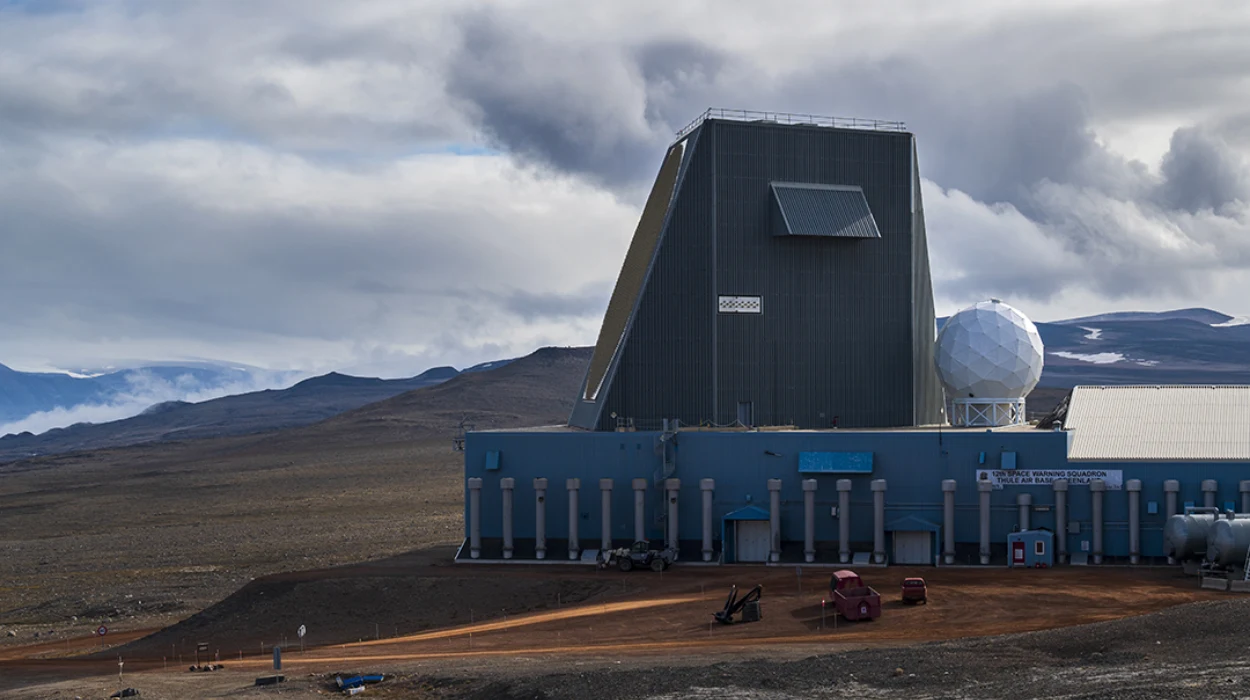
Credit: Space Base Delta 1
Space: Russia’s Cosmos-1408 ASAT (2021) generated 1,500
debris pieces; US tracks 27,000 objects. ISS cooperation ends 2030; Russia
launches ROSEU by 2028. GPS jamming in Kaliningrad disrupted 300+ flights
(2025).
Middle East, Asia-Pacific Entanglements
Syria: Russia’s 2015 intervention saved Assad with 5,000
troops, 63% territory control; US holds 900 vs. ISIS in east. Iran-Russia arms:
$2 billion Shaheds/S-400s post-2022. China-Russia trade $240 billion (2024),
Vostok exercises with 50,000 troops challenge US.
NATO Madrid 2024 deemed Russia “direct threat”; 23
allies met 2% GDP spending. Indo-Pacific: Russia’s Pacific Fleet patrols with
China, eyeing Taiwan.
Global Risks and Diplomatic Pathways
CFR ranks Russia-NATO war 50% likely in 2026; Stimson lists
Ukraine escalation top risk. Trump’s direct talks yielded Minsk-like
frameworks, but UNSC vetoes (Russia 25% of 2025 resolutions) block progress.
Arms control: Hypersonic limits via New START extension. G20
2025 stabilized energy prices at $80/bbl. BRICS+ (10 members, 37% global GDP
PPP) advances de-dollarization with 20% trade in yuan/ruble.
Economic decoupling costs $1 trillion (RAND); sustained
sanctions risk boomerang via commodity spikes. Multipolar forums like SCO offer
neutral ground.