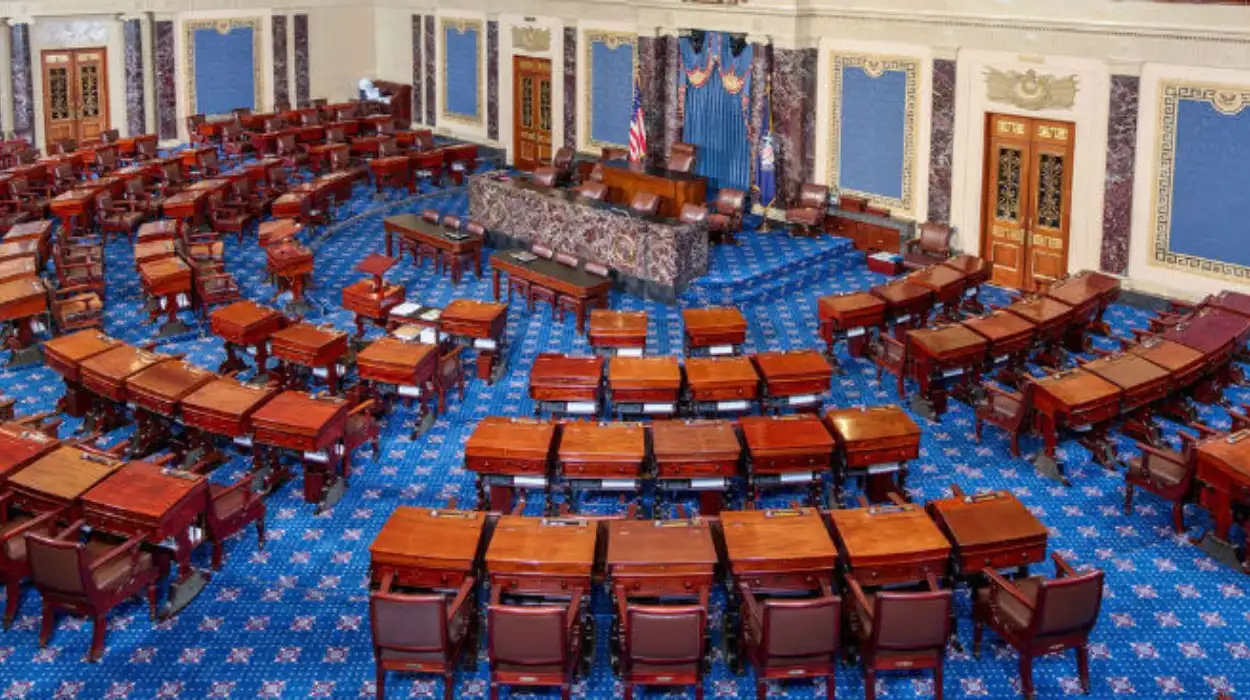

The United States Senate has long served as a vital
political arena where national leaders shape policy and build the visibility
that often propels them to higher office, including the presidency. A
substantial number of U.S. presidents have had careers as senators before
assuming the nation’s highest office. Understanding how many presidents have
served in the Senate and the significance of this experience highlights crucial
aspects of American political tradition, governance, and leadership development.
Historical Overview: Presidents Who Served in the Senate
To date, 17 U.S.
presidents have held Senate seats during their political careers. The
Senate role often served as a proving ground where future presidents honed
legislative expertise, negotiated bipartisanship, and gained exposure to
national and international issues. Early presidents with Senate experience
include foundational figures like James Monroe and John Quincy Adams.
Some presidents transitioned directly from the Senate to the
presidency without serving in other federal roles, underscoring the Senate’s
importance as a launching pad. Warren G. Harding, John F. Kennedy, and Barack
Obama exemplify this trajectory.
Notable Presidents with Senate Backgrounds
- James
Monroe (Virginia), Senate: 1790–1794, President: 1817–1825
Monroe was the first former
senator to become president and a key figure in early American diplomacy
and domestic policy. - John
Quincy Adams (Massachusetts), Senate: 1803–1808, President: 1825–1829
Adams complemented his Senate
service with diplomatic posts before his presidency. - Andrew
Jackson (Tennessee), Senate: two terms (1797–1798, 1823–1825), President:
1829–1837
Jackson’s Senate tenure
solidified his populist appeal, leading to his two terms as president. - Benjamin
Harrison (Indiana), Senate: 1881–1887, President: 1889–1893
Harrison followed in the
footsteps of his grandfather, William Henry Harrison, who was also a
senator before presidency. - Harry
S. Truman (Missouri), Senate: 1935–1945, President: 1945–1953
Truman’s Senate career was
pivotal before he became vice president and then president during World
War II. - John
F. Kennedy (Massachusetts), Senate: 1953–1960, President: 1961–1963
Second president to move
directly from the Senate to the White House, Kennedy was a young
charismatic leader. - Lyndon
B. Johnson (Texas), Senate: 1949–1961, President: 1963–1969
Johnson was a Senate majority
leader before becoming vice president and then president after Kennedy’s
assassination. - Barack
Obama (Illinois), Senate: 2005–2008, President: 2009–2017
Obama was the third president
in U.S. history to go straight from the Senate to the presidency. - Joe
Biden (Delaware), Senate: 1973–2009, President: 2021–Present
Biden holds one of the longest
Senate tenures before his election to the presidency.
Senators Who Became Presidents: Influence and Leadership
Senatorial experience provides future presidents with
legislative insights and national visibility. It also assembles a diverse
political toolkit involving lawmaking, negotiation, and public service. This
legislative experience proves invaluable once these senators ascend to the
executive branch, as they already understand how Congress functions.
The Senate’s smaller membership compared to the House of Representatives offers a more intimate leadership platform, often cultivating
strong personal relationships and bipartisan cooperation skills.
Presidents Without Senate Experience
Though many presidents served as senators, some ascended
from other backgrounds, underscoring diverse pathways to the presidency. DonaldTrump is the most prominent recent example of a president without prior
political or military office experience.
Senate Service as a Political Stepping Stone
Historically, the Senate has been a significant launchpad
for presidential ambitions:
- It
offers bipartisan exposure and national prominence. - It
has served as a platform for policy innovation and leadership. - It
provides opportunities to build key political alliances and name
recognition.
Seventeen presidents’ Senate service reflects these
advantages in American politics, serving as preparation for presidential
responsibilities encompassing legislative collaboration and executive
decision-making.
The Senate-Presidency Nexus
From the founding era to the modern day, the Senate has
acted as an important arena where
future U.S. presidents have developed the skills and prominence required
for national leadership. Seventeen presidents with Senate experience represent
nearly a third of all presidents and illustrate how legislative service remains
a common, though not exclusive, pathway to the presidency.
The prominence of senatorial backgrounds among presidents
underscores the importance of legislative knowledge and political acumen in
confronting the nation’s challenges. While paths to the presidency vary, the
Senate’s role in shaping American political leaders remains enduring and
significant.