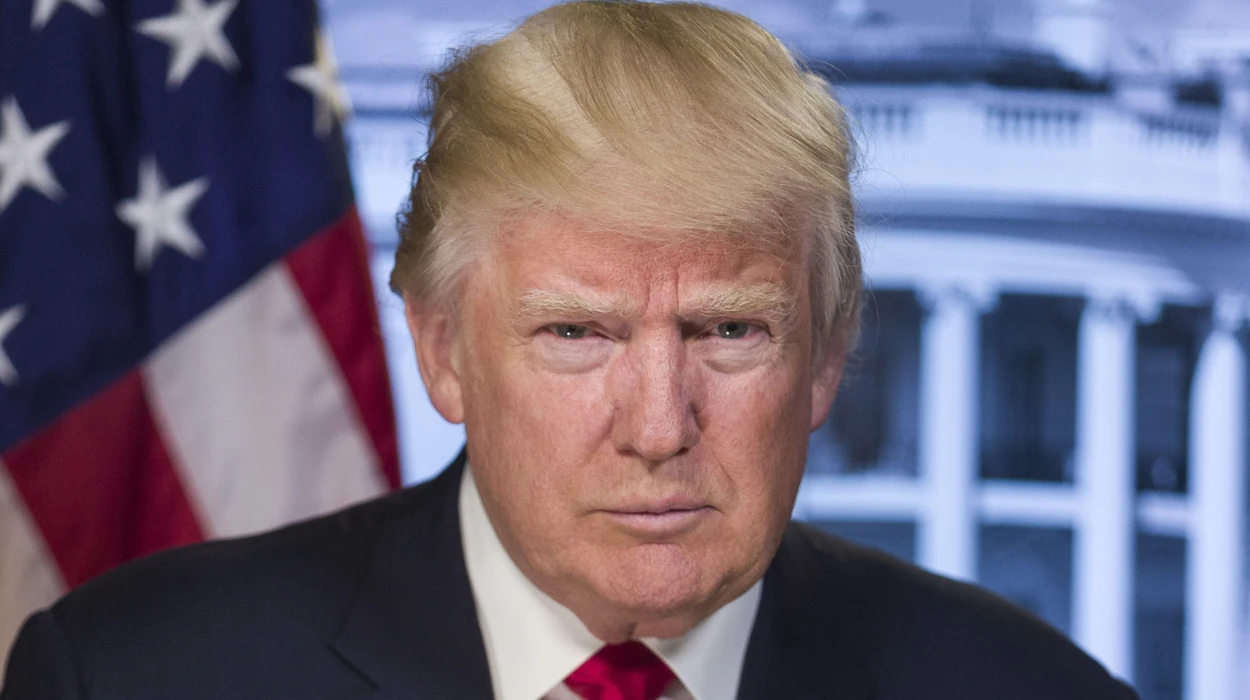

Donald J. Trump, the 45th President of the United States, served
from 2017 to 2021, leaving a profound and highly debated impact on American
politics and global affairs. Rising from a controversial business magnate and
television personality to the highest political office, his presidency reshaped
U.S. domestic policies, international relations, and political discourse in
lasting ways.
Early Political Aspirations and Rise to Power
Donald Trump’s engagement with politics began decades prior to his
presidency. Initially registering as a Republican in 1969 in New York, Trump’s
political affiliations shifted over time, including periods as a Democrat and a
member of third parties. Throughout the 1980s and 1990s, Trump expressed
interests in political issues, even considering a presidential run in the
Reform Party primaries in 2000 before withdrawing.
His political activity intensified in the 2010s, marked by
high-profile speeches such as at the Conservative Political Action Conference
in 2011, proposing challenges for the 2012 election that he ultimately
declined. Trump officially announced his candidacy for president in June 2015,
entering the 2016 election cycle as a political outsider with no prior
government experience. Promoting himself as a successful businessman ready to
“drain the swamp,” he quickly gained traction among Republican voters.
Campaign and 2016 Presidential Election
Trump’s 2016 campaign was notable for its unorthodox style, direct
rhetoric, and appeals to populist nationalism. He positioned himself against
establishment politicians, pledging to overhaul trade agreements like NAFTA,
build a border wall with Mexico, and enforce stricter immigration policies. His
messaging emphasized economic nationalism, energy independence, and a tough
stance on law enforcement and military spending.
While Trump’s statements sometimes drew criticism for being
misleading or outright false, his appeal to disenfranchised voters propelled
him to become the Republican front-runner by early 2016 and the presumptive nominee
by May. He won the electoral vote decisively with 304 votes to his opponent
Hillary Clinton’s 227, despite losing the popular vote by nearly three million
ballots.
Trump’s victory marked him the only U.S. president with no prior
government or military experience and the first to win the presidency while
losing the popular vote since the 19th century.
First Term Highlights: Policies and Governance
Domestic Policy
Taking office in January 2017 amid the longest economic expansion
in U.S. history, Trump focused on deregulation, tax reform, and conservative
social policies. The Tax Cuts and Jobs Act of 2017 lowered corporate and
individual tax rates and eliminated aspects of the Affordable Care Act.
However, despite tax cuts, federal revenues fell short of projections,
contributing to a sharp increase in the deficit, which approached $1 trillion
by 2019.
Trump’s deregulation efforts encompassed environmental
protections, labor laws, and healthcare policies, aimed at rolling back
Obama-era rules. Notably, his administration withdrew the U.S. from the Paris
Climate Accord, prioritizing fossil fuel development over climate change
mitigation efforts. Employment levels in sectors like natural gas expanded,
though coal decline continued.
Healthcare remained contentious, as Trump attempted to dismantle
Obamacare primarily through executive orders and policy changes rather than
comprehensive legislation. His administration reduced enrollment periods and
funding for health coverage outreach, and joined lawsuits seeking to invalidate
the Affordable Care Act, though courts upheld it.
Immigration and Border Control
Immigration policy was central to Trump’s presidency. He labeled
illegal immigration an “invasion” and aggressively expanded immigration
enforcement, including deploying thousands of troops to the U.S.–Mexico border
and restricting refugee admissions to historic lows. The border wall, a
signature campaign promise, saw partial construction of physical barriers.
Trump’s administration implemented the “zero-tolerance” family
separation policy, leading to widespread outcry as thousands of migrant
children were separated from parents. Although later reversed due to public
pressure, reunification efforts faced obstacles with many families remaining
separated.
Travel bans on individuals from several Muslim-majority countries
sparked protests and lengthy legal battles, ultimately upheld by the Supreme
Court.
Judicial Appointments
Trump profoundly reshaped the federal judiciary by appointing over
200 judges, including three Supreme Court justices Neil Gorsuch, Brett
Kavanaugh, and Amy Coney Barrett shifting the Court’s ideological balance
rightward. The appointments influenced landmark decisions, including the
overturning of Roe v. Wade, ending nearly 50 years of federally protected
abortion rights.
Despite his support for conservative jurists, Trump vocally
criticized courts that ruled against his policies and questioned judicial
independence, drawing concern from legal experts over the long-term impact on
constitutional norms.
Foreign Policy and International Relations
Trump’s foreign policy centered on “America First,” focusing on
nationalism, bilateral deal-making, and skepticism towards traditional
alliances.
He criticized and strained relationships with NATO allies, questioning
their financial contributions and commitment, while suggesting possible U.S.
withdrawal. Trump emphasized renegotiating trade deals, culminating in
agreements like the USMCA, replacing NAFTA.
Positive diplomatic strides included facilitating the Abraham
Accords, normalizing U.S. relations between Israel and Gulf states such as the
UAE and Bahrain, reshaping Middle Eastern geopolitics.
Trump pursued a confrontational approach toward China, initiating
tariffs and a trade war intended to address intellectual property theft and
trade imbalances, leading to tense bilateral relations.
Relations with Russia were complicated; intelligence agencies
confirmed interference in the 2016 election favoring Trump, though
investigations found no conspiracy. Trump showed unusual praise for Russian
President Vladimir Putin and softened sanctions in some areas, causing concern
among allies.
Historic summits with North Korean leader Kim Jong Un marked
unprecedented diplomatic engagement but yielded no denuclearization agreement.
Controversies, Investigations, and Impeachments
Trump’s tenure was marked by extraordinary controversies,
culminating in two impeachments by the House of Representatives, both resulting
in acquittals by the Senate.
The first impeachment followed revelations that Trump pressured
Ukraine to investigate political rival Joe Biden. The second occurred after
Trump’s role in the January 6 Capitol attack, when supporters stormed the U.S.
Capitol to disrupt electoral vote certification. Trump’s rhetoric and actions
leading up to and during the event were widely condemned as incitement.
Simultaneously, Trump faced multiple federal and state
investigations ranging from his business dealings to potential obstruction of
justice. The Mueller investigation concluded Russian interference but did not
establish a criminal conspiracy with the Trump campaign.
Financial investigations accused Trump of inflating property
values for loans and insurance benefits, with civil penalties upheld by courts.
The COVID-19 Pandemic and Response
Trump’s administration faced the global COVID-19 pandemic, an
unprecedented public health crisis.
Initially downplaying the virus’s severity, Trump delayed
coordinated national responses and clashed with experts and media. Despite
establishing a White House Coronavirus Task Force, the administration’s
messaging often conflicted with health guidance.
Trump signed the $2.2 trillion CARES Act stimulus, a landmark
economic response, but public health measures remained politicized, with Trump
encouraging protests against lockdowns.
In October 2020, Trump contracted COVID-19 and was hospitalized,
after which he resumed a public presence focusing on reopening the economy.
Post-Presidency and Political Influence
After leaving office in January 2021, Trump remained influential
within the Republican Party and American politics.
He propagated baseless claims about election fraud, inspiring
ongoing political movements and influencing election laws in various states.
Trump did not attend President Joe Biden’s inauguration, an unprecedented break
in peaceful transition traditions.
Trump launched Truth Social, a media platform aimed at his
supporters, and continued to endorse candidates aligned with his agenda,
impacting midterm and primary elections.
Legal issues persisted with ongoing investigations and lawsuits
related to election interference, financial practices, and classified document
handling.
Legacy
Donald Trump’s presidency represents a pivotal chapter in modern American
history, reshaping political norms, judicial philosophy, and foreign relations.
His administration’s deregulation and tax policies altered economic frameworks,
while social policies polarized public opinion.
Trump’s rhetorical style and
populist approach energized a
substantial voter base but deepened national divisions. His handling of
immigration, race relations, and the pandemic spurred widespread debate and
enduring controversies.
Despite losing the 2020 election, Trump’s continued prominence as
a political figure ensures his influence on U.S. politics will extend well
beyond his official tenure, with implications for both the Republican Party and
the nation’s trajectory.