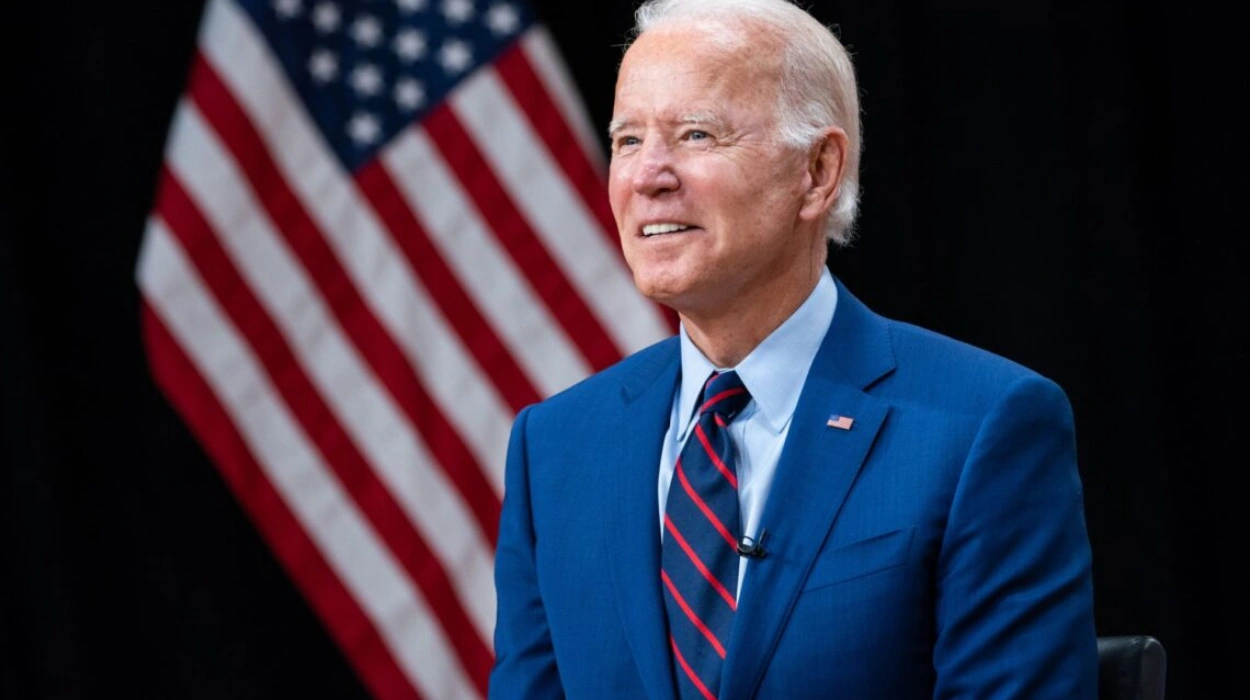

Joseph R. Biden
Jr., the 46th President of the United States, has served in office since 2021,
shaping a distinct chapter in American political history filled with domestic
challenges, international dynamics, and calls for national unity. With a long
career spanning five decades in the U.S. Senate and as Vice President, Biden’s
presidency reflects his extensive legislative and executive experience.
Early Life,
Education, and Family
Joe Biden was born in 1942 in Scranton, Pennsylvania, into a
working-class family. After moving to Delaware, he attended the University of
Delaware and then earned a Juris Doctor degree from Syracuse University College
of Law in 1968. During law school, Biden faced academic struggles, including a
plagiarism incident, but persisted to graduate.
Biden married Neilia Hunter in 1966, and the couple had three
children: Beau, Robert Hunter, and Naomi Christina. Tragedy struck just after
Biden’s first Senate election victory in 1972, when Neilia and Naomi were
killed in a car accident. Biden and his surviving sons moved slowly through
grief, with Biden continuing his Senate career at the urging of colleagues.
In 1977, Biden married Jill Tracy Jacobs, a teacher who played a
crucial role in his personal and political recovery. They have a daughter,
Ashley. Biden’s family has influenced his public image and policy priorities,
including health and social welfare issues. His late son Beau Biden’s military
and legal career and death from brain cancer in 2015 deeply affected Biden’s
political outlook.
Path to National
Politics: Senate Career and Leadership
At 29, Biden was elected to the U.S. Senate from Delaware in 1972,
becoming one of the youngest senators in U.S. history. His early Senate tenure
focused on consumer protection, environmental preservation, and government
accountability, while balancing liberal and moderate positions relevant to his
constituents.
Biden soon became known for his skills in collaboration and his
work on the Senate Judiciary Committee, where he served as chair and ranking
member for many years. He was instrumental in passing key legislation such as
the 1994 Violent Crime Control and Law Enforcement Act, which included the
Violence Against Women Act—widely recognized as one of his lasting legislative
achievements despite later critiques of some crime bill provisions.
On foreign policy, Biden was a prominent voice on the Senate
Foreign Relations Committee, where he advocated for liberal internationalist
principles. His engagement on Balkan issues in the 1990s, including the wars in
Bosnia and Kosovo, showed his commitment to U.S. intervention to halt ethnic
violence and support stability. Biden’s experience with international diplomacy
deepened during his committee chairmanship and numerous international meetings.
He supported the Iraq War authorization in 2002 but later called
it a mistake as the conflict’s consequences became clear. His nuanced positions
on foreign interventions reflected both hawkish and cautious tendencies shaped
by evolving international realities.
Vice Presidency:
Supporting Obama’s Agenda
Biden served as Vice President under Barack Obama from 2009 to
2017, effectively shaping critical elements of domestic and foreign policy. He
was an advocate for economic recovery measures following the 2008 financial
crisis and played a chief role in promoting the Affordable Care Act’s passage.
His portfolio included oversight of key initiatives such as the
Cancer Moonshot, aimed at accelerating cancer research, reflecting his personal
commitment after Beau’s illness. Biden also took lead roles in U.S. foreign
policy, particularly concerning Iraq, Ukraine, and China.
His vice presidency was marked by efforts to restore decency and
bipartisanship in governance, often acting as a bridge-builder between parties.
His detailed knowledge of congressional processes and personal style
contributed to several legislative successes and diplomatic dialogues.
Presidential
Campaign and 2020 Election Victory
Announcing his presidential bid in 2019, Biden emerged as the
Democratic nominee, positioning himself as a unifier against the backdrop of
national polarization and the Trump administration’s controversies. He stressed
restoring dignity and an “America united” message, while focusing on tackling
the COVID-19 pandemic, economic recovery, racial justice, and climate change.
In the 2020 election, Biden defeated incumbent Donald Trump,
receiving over 81 million popular votes and 306 electoral votes. The election
saw historic voter turnout amid the pandemic and featured expanded mail-in
voting. Biden’s victory was framed around promises of competent leadership and
crisis management.
Domestic Policy
Initiatives
COVID-19
Response and Economic Recovery
Biden prioritized the pandemic response upon assuming office,
launching a comprehensive vaccine distribution campaign and advancing
significant stimulus legislation, including the American Rescue Plan, which
provided direct payments to citizens, expanded unemployment benefits, and
funded state and local governments.
His administration focused on balancing public health measures
with reopening strategies, working to curb virus transmission and accelerate
economic revival. The U.S. economy showed signs of rebound with job gains after
the recession induced by the pandemic.
Infrastructure
and Climate Action
A signature legislative achievement is the bipartisan
Infrastructure Investment and Jobs Act, targeting improvements in roads,
bridges, public transit, broadband internet, and clean energy infrastructure.
This investment aimed to modernize the nation’s physical foundation and create
jobs.
Biden re-entered the Paris Climate Agreement, signaling renewed
U.S. commitment to tackling global climate change. His administration pushed
ambitious clean energy goals and regulatory efforts to reduce greenhouse gas
emissions and promote sustainability.
Social and
Racial Equity
Biden has championed social equity initiatives addressing systemic
racism and economic inequality. His administration supports expanded access to
healthcare, lifting educational opportunities, criminal justice reform, and
protections for LGBTQ+ rights.
He reversed or modified previous policies perceived as
discriminatory, emphasizing inclusion and civil rights. Efforts to reform
policing and increase voting access have been central to his domestic agenda.
Foreign Policy
and Global Relations
Biden’s foreign policy marked a shift from his predecessor’s
approach. He emphasized rebuilding alliances, restoring U.S. leadership in
multilateral institutions, and confronting global challenges collaboratively.
Key aspects include recommitting to NATO, re-engaging with the
United Nations and World Health Organization, and adopting a firm stance
against authoritarianism and China’s global ascent. Biden managed delicate
withdrawals from Afghanistan, ending America’s longest war, while facing
criticism regarding execution.
He championed diplomacy on issues like Iran’s nuclear program,
climate change agreements, and democratic support worldwide. His administration
navigated global supply chain disruptions and energy market volatility with
international cooperation.
Challenges and
Criticism
Biden’s presidency has faced significant challenges, including
political polarization, inflationary pressures, a complex immigration
situation, and foreign policy crises. The withdrawal from Afghanistan drew
bipartisan scrutiny, and economic concerns over inflation have affected public
approval.
His administration undertakes ongoing efforts against COVID-19
variants and adapts to changing geopolitical landscapes. Despite these
challenges, Biden maintains strong support among Democratic constituencies and
certain demographic groups.
Legacy and
Ongoing Impact
Joe Biden’s presidency, as of 2025, represents a measured effort to heal divisions and
restore normative governance after turbulent years. His accumulated legislative
experience informs his pragmatic approach to policymaking. The long-term impact
of his policies on climate, infrastructure, and social equity will contribute
to his historical assessment.
Biden’s focus on allyship and
multilateralism aims to revitalize U.S. global
leadership. His tenure will be measured by how successfully his administration
navigates domestic challenges and international complexities while promoting
unity.