
Summary
- Trump
administration plans to send two Caribbean strike survivors overseas. - Survivors
will be repatriated to their home countries, Ecuador and Colombia. - Decision
avoids long-term military detention or U.S. legal challenges.
The survivors were being flown to Ecuador and Colombia,
according to the source, who, like the US officials, spoke on condition of
anonymity.
After the attack on their semi-submersible vessel, which was
suspected of trafficking illegal drugs, the US military organized a helicopter
rescue for the survivors on Thursday. The other two crew members on board were
killed in the strike, sources told Reuters on Friday.
The survivors were transported by the US Navy to a vessel in
the Caribbean, where they were held until at least Friday night. As of Saturday
morning, it was unclear whether they had been flown off the ship already.
The survivors will eventually be returned
to their home countries, according to US officials who spoke on condition of
anonymity.
Legal experts suggest that by sending the survivors home,
the US military will avoid having to deal with difficult legal problems related
to military imprisonment of suspected drug traffickers whose claimed crimes do
not cleanly fall under the laws of war.
The strike was against
“a drug-carrying submarine built
specifically for the transportation of massive amounts of drugs,”
Trump
told reporters during his Friday speech.
Regarding the number of people killed or surviving the
strike, he remained silent.
A request for comment was not immediately answered by the
Pentagon, which has not yet provided any information about the strike. A
request for comment was not immediately answered by the White House.
Some legal experts and Democratic senators are alarmed by
the Trump administration’s claims that the earlier strikes killed 27 people,
and they wonder if they follow the laws of war.
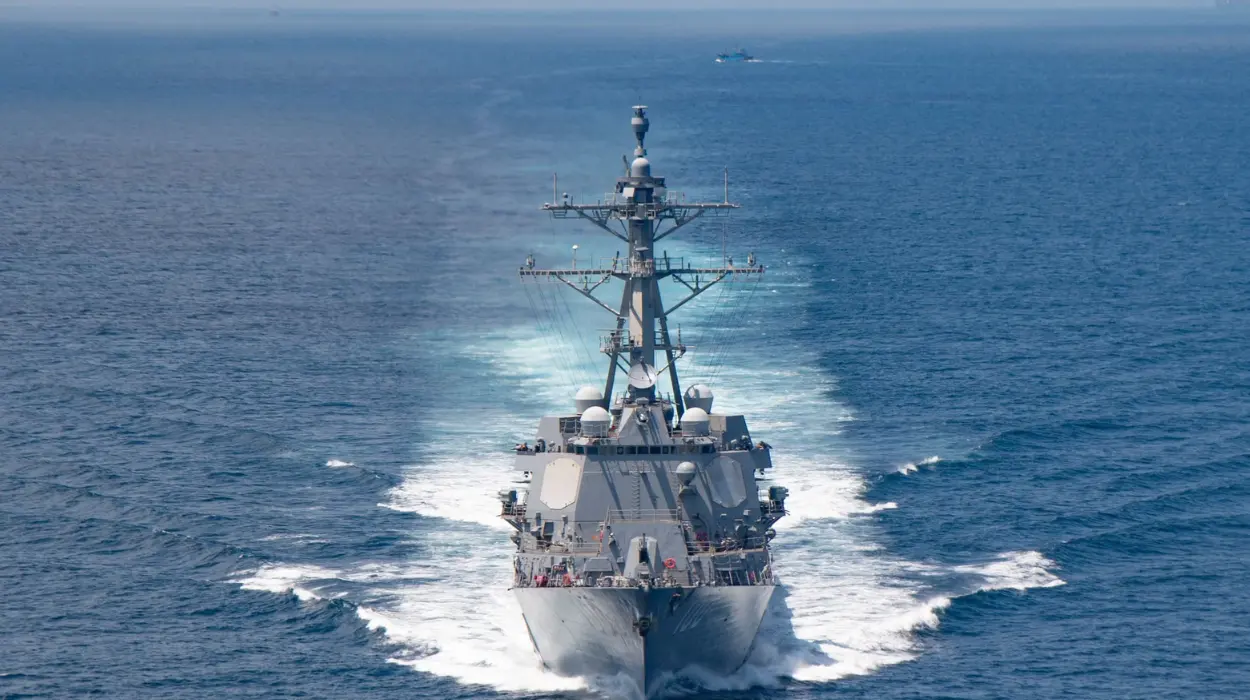
As Trump intensifies a standoff with the Venezuelan regime,
the strikes coincide with a US military buildup in the Caribbean that includes
some 6,500 troops, F-35 fighter jets, a nuclear submarine, and guided missile
destroyers.
Trump revealed on Wednesday that he has given the CIA permission
to carry out secret operations inside Venezuela.
In addition to condemning the US boat strikes as a pretext
for regime change and denying any involvement in drug smuggling, Maduro has
characterized them as breaches of international law and sovereignty.
Venezuela’s ambassador to the UN, Samuel Moncada, wrote a
letter to the 15-member security council this week, which Reuters was able to
view. In the letter, he requested that the UN declare the US strikes near
Venezuela’s coast to be unlawful and release a statement supporting Venezuela’s
sovereignty.
How does this military operation fit into US drug
interdiction strategies?
The recent military operation by the United States against
suspected drug trafficking vessels in the Caribbean represents a significant
intensification of broader U.S. drug interdiction operations. Historically,
drug interdiction in maritime areas have primarily been conducted by the U.S.
Coast Guard, which has law enforcement authorities and performs law enforcement
missions that consist of stop-and-board to suspected vessels.
The Trump administration’s decision to undertake live fire
missile strikes on suspected narcotics semi-submersibles without warning, while
crews were aboard the vessel, ABAE represents a departure from traditional law
enforcement interdictions to a more militarized approach to drug interdictions.
This change is consistent with the administration’s recent
designation of the United States as being in a “non-international armed
conflict” with drug cartels, which allows the use of military force
operations.