
Summary
- Democrats
press the Trump administration on disability rights protection. - Concerns
amid Department of Education shake-up and layoffs. - Trump
plans to shift special education from Education to Health Dept. - Cuts
to grants, staff, and disability program funding criticized.
Education Secretary Linda McMahon received a letter from 23
Democratic senators asking for answers to a number of questions regarding
students with disabilities, such as whether they will receive a “free and
appropriate public education” as mandated by federal law and the impact of
department layoffs on children and schools.
In their letter, the senators contend that the welfare of
the millions of kids with disabilities nationwide depends on the Education
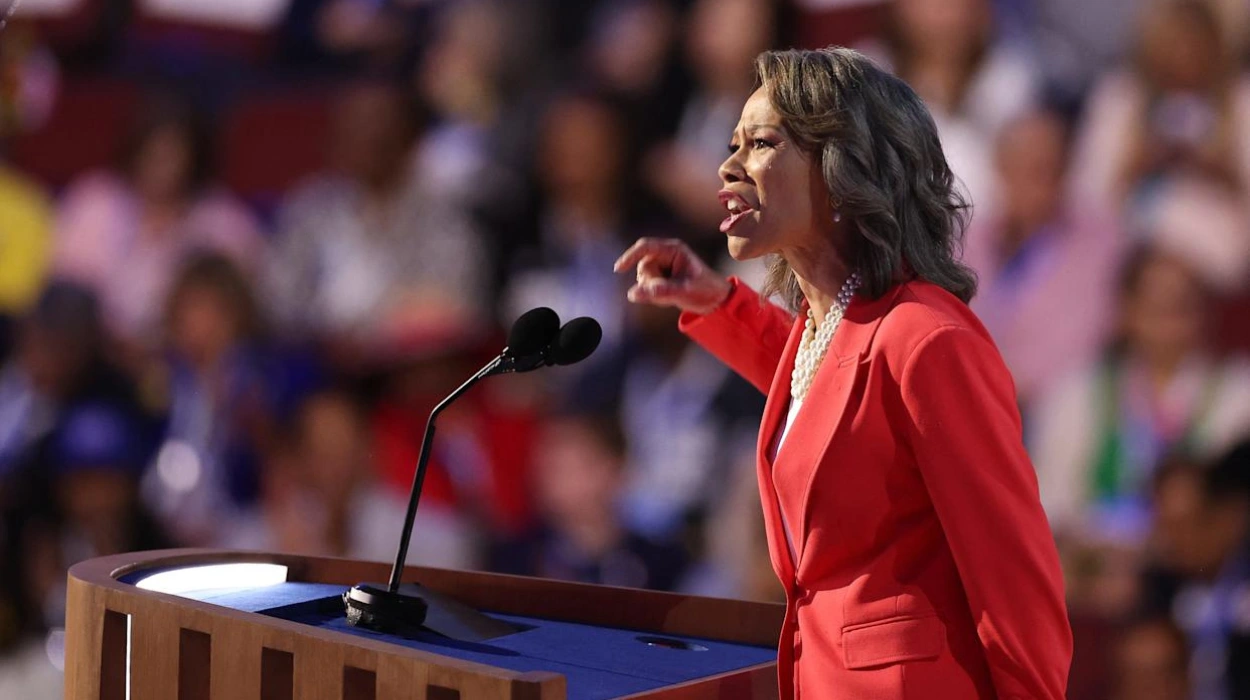
Department and its decades-long operations. The letter was started by Senator
Lisa Blunt Rochester (D-Del.).
“Shuttering the Department will cause immense harm to
all students, and especially students with disabilities and their families who
rely on federal funding for key special education services and support,”
the senators wrote in their letter.
“Over the years, the Department has
developed specific expertise to deliver on the promise that children with
disabilities will have equal and fair access to educational opportunity in the
United States.”
The Democrats’ inquiry is joined by the nation’s two largest
teachers unions and dozens of disability advocacy organizations, including the
Autism Society of America, the Disability Rights Education & Defense Fund
and the National Down Syndrome Society.
Following the Trump administration’s decision to lay
off about half of the Education Department’s staff, parents of students with
disabilities and disability advocates have expressed concerns about their legal
rights. An executive order to dismantle the government agency was signed by
President Donald Trump last month.
Whether or not to abolish the Education Department would
ultimately be up to Congress.
Trump has stated that special education services “will
be fully preserved” and that the Department of Health and Human Services
will take over those duties.
In their letter on Wednesday, the senators opposed that
decision, stating that education professionals should be consulted instead of
medical experts who should supervise or help pupils with disabilities.
“The Department of Education is the only agency with an
existing institutional infrastructure and a staff of subject matter experts
dedicated to ensuring equal educational opportunity for children and students
with disabilities,”
they said.
“Transferring these authorities to HHS
will not only overburden an agency already confronting massive workforce cuts
orchestrated by this administration, but it will also stretch HHS beyond its
expertise as medical, rather than educational, professionals.”
An Education Department spokesman said no action has yet
been taken to move federally mandated programs out of the agency.
In their letter, the senators criticized the Department of
Government Efficiency for cutting more than $600 million in grants for educator
preparation and $900 million in contracts for research connected to education.
A country without a federal education department will save
the federal government billions of dollars, according to Trump and many of his
followers.
The senators contend that cutting these services is
inappropriate because they are desperately needed.
“These cuts will negatively impact critical research
into best practices to support students with disabilities who have the shared
dream of graduating high school and contributing to our economy,”
the
letter reads.
What specific legal protections for students with
disabilities are at risk under the proposed ED overhaul?
The ED currently administers IDEA, which guarantees that
approximately 7.5 million disabled students receive a free appropriate public
education (FAPE) tailored to their needs. Moving IDEA oversight to another
agency, such as Health and Human Services, could weaken oversight as no other
federal agency has ED’s expertise or enforcement power in special education
law.
The ED enforces civil rights protections prohibiting
disability discrimination in schools, ensuring students receive necessary
accommodations and are not unfairly excluded or disciplined. Changes may reduce
enforcement capacity, leaving students vulnerable to discriminatory practices.
These legally binding plans ensure students receive tailored
support and services. An overhaul risks disrupting the development and
implementation of IEPs, undermining their effectiveness and the legal rights of
students and families.