
Summary
- President
Trump backs HHS Secretary Robert F. Kennedy Jr. - Kennedy
fired CDC Director Susan Monarez on policy disputes. - Monarez
resisted vaccine directive changes, causing leadership turmoil. - Several
senior CDC officials resigned following Monarez’s dismissal.
The demonstration took place the day after director Susan
Monarez, a longtime government scientist and Trump appointment, was ousted
along with other officials, sending the Centers for Disease Control and
Prevention into disarray.
Through her lawyers, Monarez, who was confirmed by the
Senate as the new head of the CDC in July, alleges she was sacked due to a
disagreement regarding the scientific rigor of the directives Kennedy was issuing.
Monarez’s attorneys, Mark Zaid and Abbe Lowell, claimed in a
statement that she was singled out because she refused to “fire dedicated
health experts and rubberstamp unscientific, reckless directives.”
Her termination, according to the attorneys, is indicative
of a broader attempt to politically weaken the nation’s scientific
establishments.
“It is about the systematic dismantling of public health
institutions, the silencing of experts, and the dangerous politicization of
science,”
they wrote.
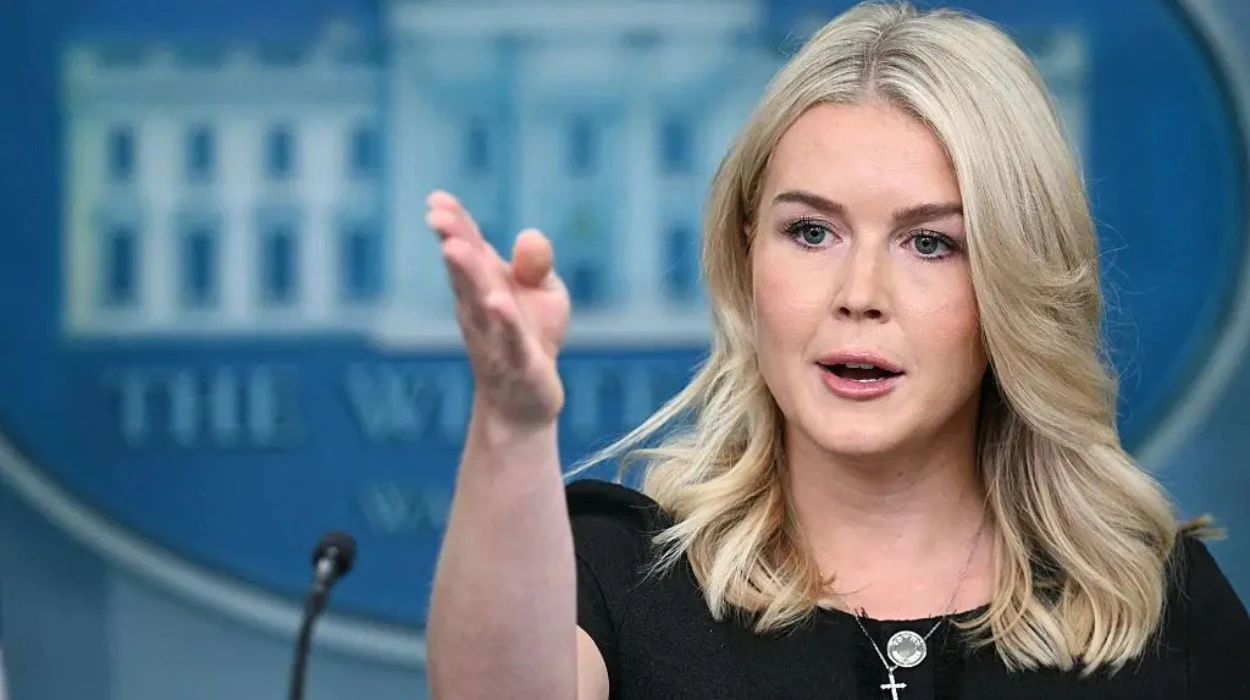
Leavitt told reporters that President Trump fired Monarez
after she refused
Kennedy’s demand that she resign.
“Her lawyers’ statement made it abundantly
clear to themselves that she was not aligned with the President’s vision to
make America healthy again,”
Leavitt said.
“The President has the authority to
fire those who are not aligned with his mission.”
Deb Houry, the chief medical officer of the CDC, and other
top CDC officials also resigned on Wednesday. Senator Bernie Sanders of
Vermont, who demanded a probe into Monarez’s termination and pushed Senator
Bill Cassidy, the leading Republican on the Senate’s health committee, to
convene a hearing over her departure, referred to terminating Monarez as a
“dangerous” action.
Leaders in Washington, D.C., have been caught up in a
stalemate with Kennedy over his ideas on health policy, especially in relation
to vaccines.
According to a preliminary agenda, a major panel at the CDC
that recommends vaccines is set to convene in mid-September and could vote on
recommendation criteria for vaccines that protect against COVID-19, Hepatitis
B, MMRV, and RSV.
“These decisions directly impact children’s health and the
meeting should not occur until significant oversight has been conducted,”
said
Cassidy in a statement.
Trump frequently highlights his own initiatives during his
first term, known as Operation Warp Speed, to speed up the development of
COVID-19 vaccines during the pandemic. However, he has so far supported
Kennedy’s efforts to weaken government vaccination regulations and challenge
established scientific evidence regarding the advantages of the Covid-19
vaccine as well as those for polio, measles, and other illnesses.
On Thursday, Kennedy Jr. expressed worries about more CDC
disruptions, telling Fox News that the organization is “in trouble and we
need to fix it.”” He stated that some CDC employees “should not
be working there any more.”
How might this shakeup change U.S. vaccine guidance going
forward?
Kennedy fired the entire 17-member Advisory Committee on
Immunization Practices (ACIP) and replaced them with eight new members, some of
whom hold vaccine-skeptical views. This is likely to shift vaccine
recommendations and policies.
The ACIP directly shapes CDC vaccination schedules,
insurance coverage, and public health strategies nationwide. Changes in its
composition and stance could lead to less aggressive vaccine promotion or
alterations in target populations and dosages.
Early indications include restricting COVID-19 vaccine
boosters to adults over 65 and those with risk factors, and stopping
recommendations for vaccinating healthy children and pregnant women, diverging
from previous expert guidance.