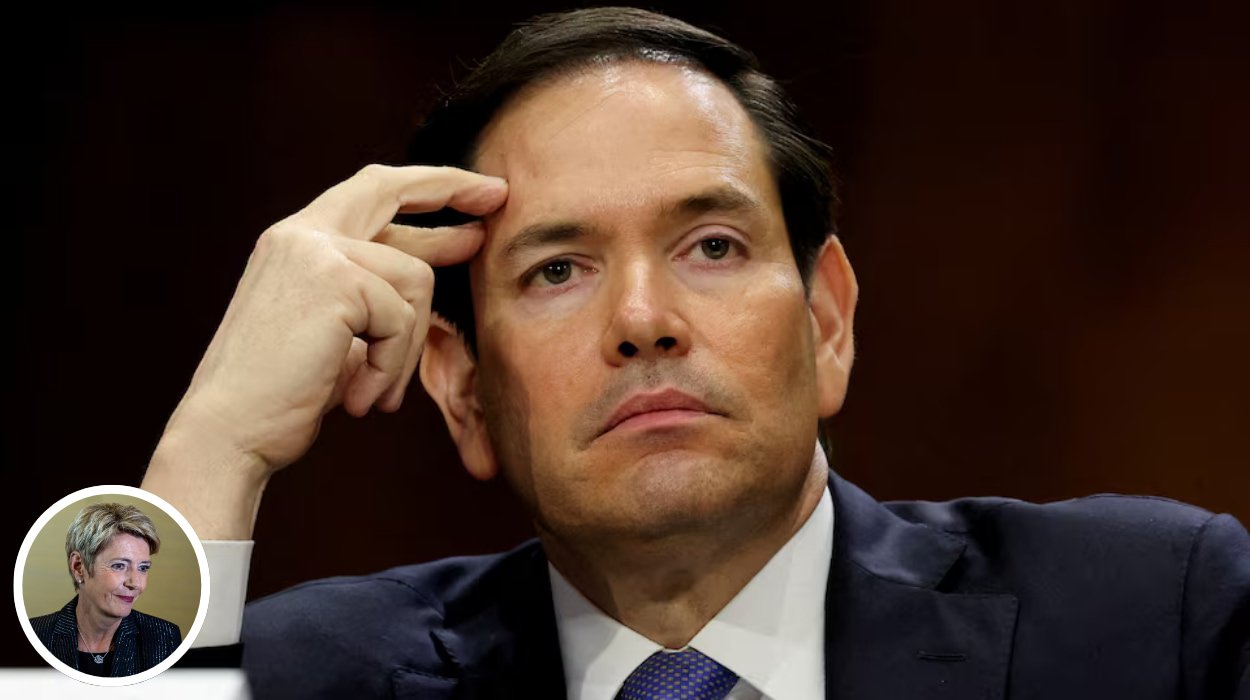

Summary
- Swiss
President Karin Keller-Sutter met US Secretary of State Marco Rubio for
urgent trade talks. - Discussions
focused on addressing tariffs and trade barriers between Switzerland and
the United States. - Both
leaders emphasized the importance of strengthening bilateral economic ties
amid global uncertainties. - No
formal trade agreement was announced, but talks were described as
constructive and optimistic. - The
meeting highlighted ongoing US interest in engaging with European partners
on trade issues. - Further
negotiations are expected to finalize details of the trade framework.
The meeting between Swiss President Karin Keller-Sutter and
US Secretary of State Marco Rubio underscores the critical importance both
nations place on enhancing their economic partnership in an unpredictable
global trade environment. While no immediate agreement was reached, the
positive tone and mutual commitment to resolving outstanding trade issues pave
the way for continued diplomatic efforts aimed at modernizing and deepening
bilateral trade relations. These talks reflect a broader strategic focus to maintain
competitive advantages and promote open markets between Switzerland and the
United States.
What Was the Purpose of the Swiss President’s Meeting with
U.S. Secretary of State Marco Rubio?
The Swiss President met with U.S. Secretary of State Marco
Rubio for critical last-minute trade talks aimed at ironing out outstanding
issues obstructing the finalization of a trade agreement between the two
countries. According to sources familiar with the discussions, the meeting
focused on finding common ground on trade terms to strengthen economic
relations. It was part of a broader diplomatic push to secure mutually
beneficial terms in a rapidly changing global trade environment.
Why Are These Trade Talks Considered Urgent and Important?
Experts highlight that the urgency stems from both nations’
desire to capitalize on economic opportunities amid global uncertainty. The
U.S. and Switzerland are longstanding trading partners, and finalizing a
comprehensive trade agreement is seen as vital to maintaining competitive
advantages. This urgency is compounded by recent geopolitical developments and
shifts in global supply chains that necessitate clear, modern trade frameworks.
What Are the Main Issues Being Negotiated?
The main topics on the negotiation table reportedly included
the reduction of tariffs on key goods, protection of intellectual property,
digital trade frameworks, and investment protections. Both parties aimed to
dismantle barriers that could hinder fair trade flows and sought to ensure
enhanced cooperation in sectors such as technology, pharmaceuticals, and
financial services.
How Have Both Officials Described the Outcome of the Talks?
Statements from both sides emphasize that while no final
deal was reached during the meeting, the dialogue was constructive and laid
important groundwork for agreement. As reported by diplomatic sources, Swiss
President and Secretary Rubio expressed optimism about resolving remaining
hurdles quickly to enable the trade agreement’s formal announcement in the near
future.
What Is the Broader Context of Swiss-U.S. Economic
Relations?
Switzerland and the United States have a robust history of
trade, investment, and scientific collaboration. The current trade talks aim to
update and expand this relationship to better reflect 21st-century economic
realities, particularly in the realms of digital commerce and innovation-driven
industries.
What Are the Potential Impacts of the Trade Talks on Both
Economies?
The ongoing discussions between Swiss President Karin
Keller-Sutter and U.S. Secretary of State Marco Rubio could have significant
ramifications for both countries’ economies. By addressing tariffs and
regulatory barriers, these talks aim to create a more seamless trading
environment that benefits exporters, importers, and investors on both sides.
Enhanced trade relations would likely boost sectors such as pharmaceuticals,
technology, and financial services key industries where Switzerland and the
U.S. maintain strong commercial ties. Moreover, a modernized trade framework
could help both nations better compete in the increasingly digital and
innovation-driven global market, fostering sustainable economic growth amid
international uncertainties.
How Will These Talks Influence Future Diplomatic and Trade
Relations?
Beyond the immediate economic implications, the trade
negotiations signal a deepening diplomatic engagement between Switzerland and
the United States. The willingness to hold last-minute talks reflects the
political priority each country places on bilateral cooperation, not only for
trade but also for broader geopolitical stability. This trajectory may pave the
way for more comprehensive agreements in the future, encompassing issues such
as intellectual property, environmental standards, and digital economy
governance. Additionally, the meeting may serve as a precedent for how
Washington engages with other European partners, reinforcing alliances and
encouraging alignment on trade policies in the face of global economic
challenges.
What Are the Next Steps Following This Meeting?
Both governments indicated that their trade teams would
continue working intensively to finalize the agreement’s details. Further
technical sessions and consultations with stakeholders are expected before the
deal is formally signed. The meeting underlines the political commitment at the
highest levels to bring negotiations to a prompt and successful conclusion.
This report consolidates information from multiple media
sources to provide a detailed and balanced account of the recent high-level
trade talks between Switzerland and the United States. This coverage is based
on the latest official statements and diplomatic insights to ensure accuracy
and impartiality in reporting.