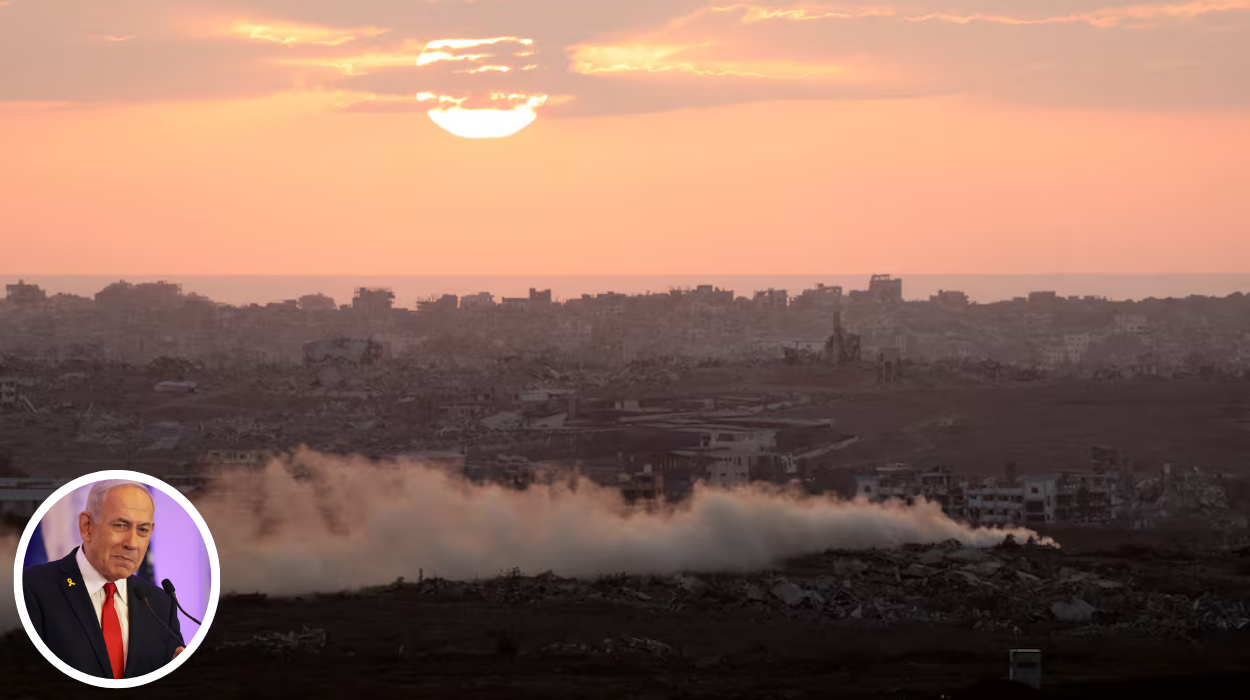

Summary
- Ceasefire
negotiations between Israel and Palestinian groups in Gaza have broken
down. - Israel
is now determining its next military and diplomatic steps in the Gaza
conflict. - The
collapse follows intense fighting and significant casualties on both
sides. - International
actors had been involved in mediating ceasefire efforts. - The
situation on the ground remains volatile, with ongoing humanitarian
concerns. - No
immediate resolution or renewed talks have been announced. - Both
sides maintain firm positions, complicating prospects for peace.
The recent collapse of ceasefire talks between Israel-Gaza marks a critical juncture in the ongoing conflict that has gripped the
region. Despite intensive diplomatic efforts involving regional and
international mediators, the failure to reach an agreement underscores
deep-rooted divisions and competing demands from both sides. Israel is now
poised to reconsider its strategy, weighing potential military escalations or
alternative diplomatic measures, while Gaza faces worsening humanitarian
conditions amid sustained hostilities. This impasse not only threatens further
escalation but also prolongs the suffering of civilians caught in the
crossfire, casting a shadow over immediate prospects for peace.
What happened to the ceasefire talks between Israel and
Gaza?
As reported by multiple international news sources, the
latest round of ceasefire talks aimed at ending the ongoing conflict in Gaza
has collapsed. This marks a significant setback after weeks of intense
hostilities, with diplomatic efforts failing to bridge the gap between Israel
and Palestinian factions in Gaza. The negotiations, which involved
intermediaries from regional and international parties, concluded without an
agreement, leaving the conflict unresolved.
Why did the ceasefire talks fail?
According to statements from officials and media
analysis, the breakdown can be attributed to fundamental disagreements over
terms, including security guarantees, territorial concerns, and humanitarian
access. Israeli leadership expressed concerns over ensuring the disarmament of
militant groups, while Palestinian representatives demanded an immediate end to
blockades and military operations that have severely affected civilians.
What are Israel’s options now following the failure of
ceasefire talks?
Israeli officials are reportedly weighing their next
steps carefully. According to unnamed sources close to the government, options
on the table include escalating military operations to further degrade militant
capabilities or seeking alternative diplomatic channels to isolate or pressure
Hamas and other factions. The Israeli Defense Forces (IDF) remain on high
alert, with movements indicating potential intensification of operations
pending political directives.
How is the humanitarian situation in Gaza affected
post-talks?
Humanitarian actors have warned that the ceasefire talks’
collapse aggravates an already dire situation in Gaza. Hospitals and aid
organizations face increasing strain due to ongoing hostilities, with limited
access to essential supplies and medical care. Reports from field
correspondents highlight mounting civilian casualties and displacement amid
infrastructure damage.
What role has the international community played in the
ceasefire efforts?
International mediators, including representatives from
Egypt, the United Nations, and other regional powers, have been actively
involved in brokering talks. Despite these efforts, entrenched positions and
security concerns have stalled progress. Diplomatic sources indicate continued
behind-the-scenes activity aiming to restart negotiations, but no immediate
timetable has been disclosed.
What do leaders on both sides say after the talks
collapsed?
Israeli Prime Minister and military officials have
reaffirmed their commitment to Israel’s security and emphasized the need to
neutralize threats posed by militant groups in Gaza. Palestinian leadership
condemned the continuation of military actions and called for renewed
international pressure on Israel to cease hostilities and lift the blockade.
What is the broader impact of the continued conflict?
The failure of ceasefire talks intensifies instability in
the region, affecting neighboring countries and international relations.
Experts caution that prolonged conflict risks further deterioration of peace
prospects and exacerbates humanitarian crises. Public opinion in both Israel
and Palestinian territories is increasingly polarized, complicating peacemaking
efforts.
In summary, the collapse of the ceasefire talks leaves
Israel facing critical decisions regarding its approach to the Gaza conflict.
The humanitarian toll mounts as diplomatic efforts stall, and the international
community watches closely, hopeful yet cautious about possibilities for renewed
dialogue. This ongoing crisis continues to dominate regional security concerns
and global diplomatic agendas.