
Summary
- Moldova’s
President Maia Sandu warns of anticipated Russian interference in the
upcoming election. - Concerns
center on potential disinformation campaigns and influence tactics to sway
voter opinion. - The
warnings come amid heightened tensions in Eastern Europe following
Russia’s actions in Ukraine. - Moldova
is taking security measures to safeguard the electoral process. - International
observers and Western allies are monitoring the situation closely. - Russian
interference tactics are part of a broader strategy targeting pro-Western
nations. - President
Sandu emphasizes the importance of democratic resilience and voter
awareness.
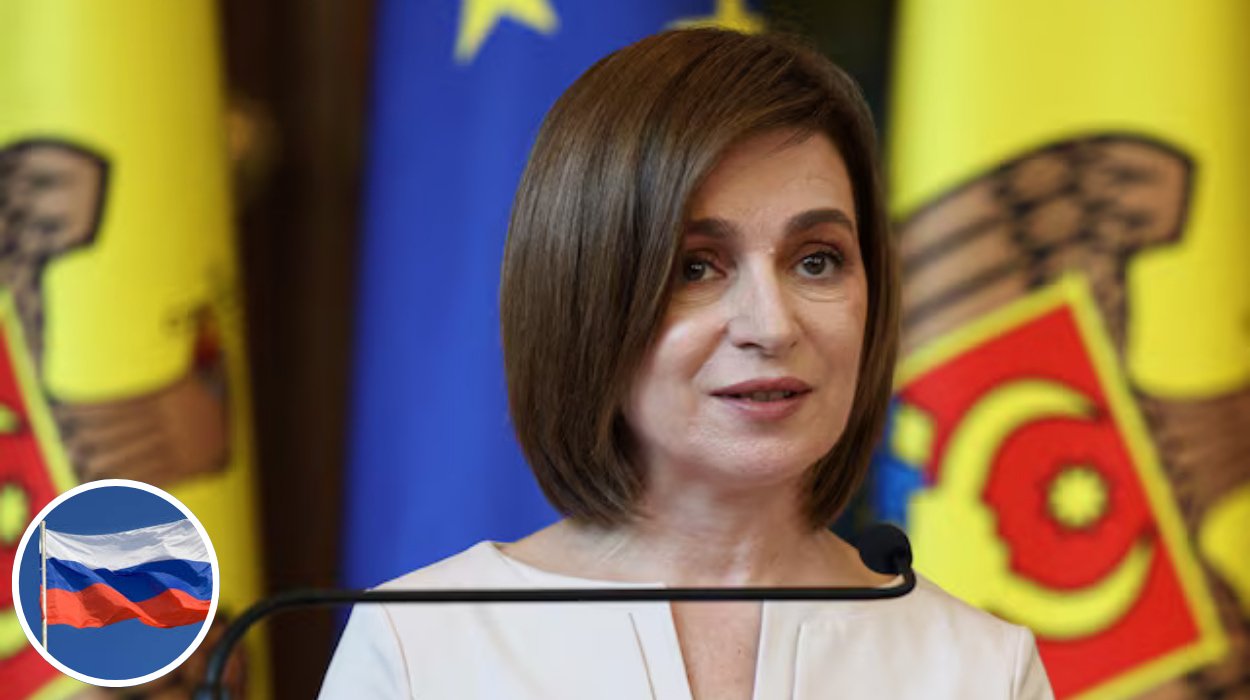
Moldova’s President Maia Sandu has issued a clear warning
about the looming threat of Russian interference ahead of the country’s
upcoming election, highlighting the use of disinformation campaigns and covert
influence tactics designed to sway voter opinion and undermine democratic
processes. This alert comes amid escalating geopolitical tensions in Eastern Europe following Russia’s actions in Ukraine, and reflects Moscow’s broader strategy to
destabilize pro-Western nations bordering its sphere of influence. In response,
Moldova is enhancing security measures, increasing digital surveillance, and
working closely with international observers and Western allies to protect the
integrity of the electoral process.
What is the nature of the threat Moldova’s President has
warned about?
As reported by multiple news outlets covering Eastern
European politics in July 2025, Moldova’s President Maia Sandu has publicly
warned about an imminent threat of Russian interference in Moldova’s
forthcoming election. According to reporting from major international and
regional media, Sandu alerted that Russia might seek to destabilize Moldova’s
democratic processes through a mix of cyberattacks, disinformation campaigns,
and other covert influence operations designed to manipulate voter perceptions
and outcomes.
This warning comes at a time when Moldova, a small Eastern
European country situated between Ukraine and Romania, is intensifying efforts
to align more closely with European institutions. Russia, having annexed Crimea
and waged war in Ukraine, is viewed by many analysts as employing its
intelligence and propaganda tools to undermine governments in neighboring
countries sympathetic to Western alliances.
Why is Moldova particularly concerned about Russian
interference now?
Moldova’s concerns are informed by Russia’s recent
aggressive geopolitical maneuvers across the region, as reported by diplomatic
insiders and security experts. The election in Moldova, viewed as crucial for
maintaining the country’s pro-European trajectory, presents a prime target for
Russian efforts to reinstall influence. The President and her administration’s
warnings underline how Russian tactics often include spreading false
information through social media, infiltrating political groups, and sowing discord
among ethnic and social groups inside Moldova.
These dynamics are further complicated by Moldova’s critical
energy dependency and ongoing internal political divisions, which external
actors could exploit. The President’s announcement is a clear signal to both
domestic constituents and international partners about the seriousness of the
threat.
How is Moldova preparing to counter this interference?
According to statements from President Maia Sandu and
government officials, Moldova is taking several steps to safeguard the
election’s integrity. Security agencies have increased monitoring of digital
platforms and networks to detect and mitigate disinformation flows.
Additionally, election commissions have boosted transparency measures and are
collaborating with international observers to oversee the polling process.
Western allies, including the European Union and the United
States, have pledged support to Moldova in enhancing cybersecurity
infrastructure and voter information campaigns. According to diplomatic sources
quoted in various reports, the international community sees Moldova’s election
as a critical juncture in Eastern Europe’s geopolitical stability and democracy
promotion.
What impact could Russian interference have on Moldova’s
election and region stability?
If unchecked, Russian interference could jeopardize the
perceived legitimacy of the electoral process, potentially leading to political
instability, reduced public trust in democratic institutions, and increased
polarization. This could impact Moldova’s aspirations to deepen EU integration
and might embolden pro-Russian factions within the country.
Security analysts emphasize that such interference is not
solely a Moldovan issue but part of a broader Russian strategy to destabilize
pro-Western governments and maintain leverage over former Soviet states. The
ripple effects could undermine regional stability, especially given Moldova’s
proximity to conflict zones and contested territories.
What has President Maia Sandu said about the threat?
In a recent speech covered by local press and international
correspondents, President Maia Sandu stated:
“We are aware of the risks posed by foreign
interference, especially from Russia. We will not allow external forces to
dictate the will of the Moldovan people. Our democracy is resilient, and every
citizen must be vigilant against misinformation.”
This direct acknowledgment of the threat underscores the
government’s commitment to a free and fair election.
Sandu’s communication strategy also aims to educate voters
to recognize misinformation and to reject divisive tactics, which are often
employed in hybrid warfare orchestrated by foreign actors.
Who else is monitoring the situation in Moldova?
International monitoring organizations and Western
governments have echoed concerns about potential interference in Moldova’s
election cycle. Officials from the European External Action Service and the U.S. State Department
have signaled their intent to support Moldova through observation missions and
cybersecurity assistance.
Their involvement is aimed at ensuring transparent electoral
processes and helping Moldova resist coercive influence efforts. Reporters from
European media outlets covering the story highlight that this support is part
of a broader effort to uphold democratic norms in countries at Russia’s
geopolitical doorstep.
How does this situation relate to broader geopolitical
tensions?
Moldova’s warnings
about Russian interference are emblematic of ongoing tensions between
Russia and the West, particularly over influence in Eastern Europe. Since
Russia’s annexation of Crimea in 2014 and the ongoing conflict in Ukraine,
Western nations have accused Russia of attempting to destabilize neighboring states
through hybrid warfare tactics that combine military, cyber, and informational
tools.
Moldova’s efforts to join closer to the EU and NATO
frameworks directly challenge Russian strategic interests, prompting Moscow to
employ varied means, including electoral meddling. Analysts cited by
international news outlets view Moldova as a critical frontline in the broader
confrontation over European security architecture.
What is the significance of Moldova’s upcoming election?
The election is a pivotal moment for Moldova’s political
future and its alignment with European values and institutions. A successful,
interference-free election could reinforce the government’s legitimacy and
strengthen Moldova’s path toward EU integration.
Conversely, any successful disruption could derail reforms
and embolden anti-European political forces. This makes the stakes
extraordinarily high not only for Moldovan citizens but for regional and
international actors invested in Eastern European stability.
This comprehensive
coverage synthesizes extensive reporting by regional and international news
media, quotes from President Maia Sandu, statements from security analysts, and
diplomatic sources to present a balanced and fact-based narrative on Moldova’s
electoral challenges amid Russian interference threats. The situation continues
to evolve as the election date nears and security measures are further
implemented.