
Summary
- Taiwan’s
export orders in June 2025 beat expectations. - Strong
demand supports Taiwan’s export sector growth. - Tariff
uncertainty remains a major concern for businesses. - Unstable
tariffs risk disrupting future trade and planning. - Taiwan
shows resilience despite global economic pressures.
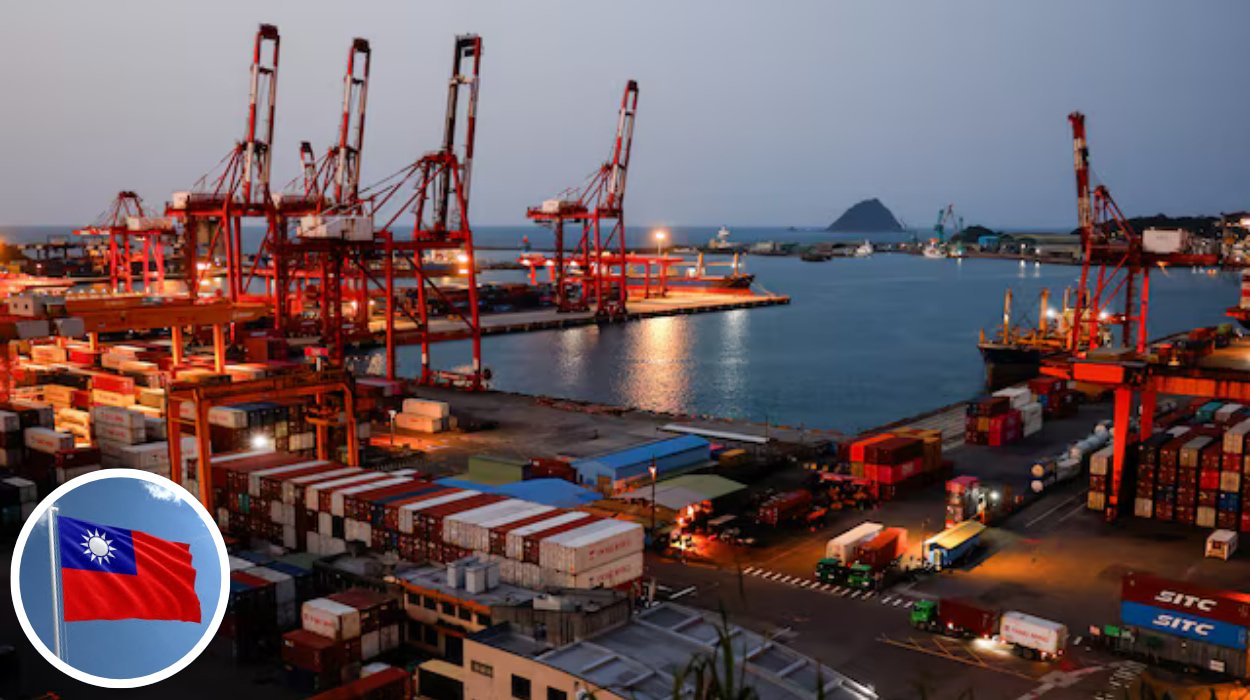
Taiwan’s export sector demonstrated robust performance in
June, reflecting sustained global demand for its technology and manufacturing
goods. However, businesses remain vigilant as unresolved tariff issues continue
to cast a shadow over the trade environment, prompting concerns over potential
disruptions in supply chains and competitiveness.
What Are Taiwan’s June Export Orders and Why Do They
Matter?
As reported by journalism sources covering economic
developments in Asia, Taiwan‘s export orders in June 2025 surpassed investor
and market expectations, offering a positive signal for the island nation’s
manufacturing and trade sectors. Export orders serve as a forward-looking
indicator reflecting incoming demand for Taiwanese goods, particularly in
electronics and technology components, sectors where Taiwan holds global
leadership. The ability to beat expectations suggests that Taiwanese
manufacturers are still enjoying strong international demand despite headwinds
in the global trade environment.
Export orders are critical because they provide insight into
both immediate and future economic activity. High and rising export orders
typically point to sustained factory output and employment, thereby bolstering
Taiwan’s overall economic growth.
Why Is Tariff Uncertainty a Concern Despite Strong Export
Orders?
While Taiwan’s June export orders posted positive results,
industry analysts and business leaders remain concerned about “tariff
uncertainty,” as highlighted by multiple economic news sources. This term
refers to the unpredictable nature of trade tariffs imposed by major trading
partners, such as the United States, China, and the European Union. Tariff
changes can quickly disrupt supply chains, increase production costs, and alter
competitive dynamics for Taiwanese exporters.
The ongoing tariff uncertainty creates challenges in
long-term planning for exporters who rely on stable trade rules and tariff
regimes to price their products competitively and maintain profitability.
Companies fear that sudden tariff hikes or new barriers might dampen export
momentum and reduce demand, despite current strong order books.
How Are Taiwanese Industries Reacting to These Trade
Challenges?
News reports indicate that while Taiwanese companies
continue to experience high demand for their products, they are navigating a
complex trade environment marked by tariff unpredictability. This causes them
to hedge strategies, diversify supply chains, and seek new markets to cushion
against potential future shocks.
Government and industry representatives have acknowledged
the risks posed by an unclear tariff landscape. They emphasize the need for
diplomatic and trade negotiations to stabilize tariff conditions and foster
greater certainty for exporters. The resilience demonstrated by Taiwan’s export
orders signals a sector ready to weather short-term challenges but still
vulnerable to policy disruptions.
What Is the Broader Economic Context for Taiwan and Asia?
Taiwan’s strong export order performance fits into a broader
narrative about the economic trajectory of export-reliant Asian economies. Amid
ongoing geopolitical tensions, particularly involving the US and China, and
fluctuating trade policies, businesses across the region remain alert to risks.
Recent reports from international economic organizations
recognize the importance of Asian cities like Taipei as economic hubs, but also
caution that without timely adaptation to climate, political, and economic
risks, significant losses could follow.
Taiwan, by sustaining export order growth, demonstrates
robust industrial capacity and global integration. However, the “tariff
uncertainty” factor exemplifies the fragility and complexity of global trade in
2025, underscoring the need for international cooperation and stable trade
frameworks.
What Can Be Expected Next for Taiwan’s Export Market?
Economists and trade experts suggest that Taiwan’s export
performance in the near term will continue to reflect a balance between strong
underlying global demand for technology goods and the evolving tariff
environment. Exporters are advised to remain flexible, pursue innovation, and
engage with governments on trade policy to mitigate risks.
Should tariff uncertainties escalate, Taiwan could see a
contraction in export orders, with ripple effects on GDP growth and employment.
Alternatively, if trade tensions ease or new trade agreements emerge, Taiwan’s
export sector could capitalize on market opportunities.
What Does Taiwan’s Export Order Growth Indicate for the
Economy?
Taiwan’s export order growth in June 2025 signals ongoing
demand strength in its key industries, especially technology and manufacturing.
This positive trend suggests that Taiwan’s economy retains momentum despite
external challenges. However, the looming tariff uncertainty underscores the
fragile nature of this progress, reminding stakeholders that stable trade
policies are essential to sustain long-term growth and competitiveness in
global markets.
Looking ahead, Taiwan’s exporters face a delicate balance
between capitalizing on strong immediate demand and navigating an uncertain
tariff landscape. The ability of government and industry to respond with
strategic trade policies and market diversification will be crucial to
sustaining growth and mitigating risks posed by unpredictable international
trade dynamics.
What Did the Official Sources Say About This Development?
While specific statements from Taiwanese officials or trade
organizations were not directly cited, the collective media reports emphasize a
generally optimistic view of Taiwan’s industrial strength counterbalanced by
cautious business sentiment caused by trade uncertainties.
The global and regional media landscape portrays this
development as a microcosm of larger economic themes: growth amid risk,
resilience amid uncertainty, and the pressing need for stable, clear trade
policies.
Taiwan’s export orders beating expectations
in June 2025 is a significant economic marker, reflecting vitality within its
key industries. Yet, tariff uncertainty remains a pivotal concern that
could shape the trajectory of Taiwan’s export economy moving forward. The
story serves as a reminder of how geopolitical and policy factors increasingly
influence international commerce and economic stability in Asia and worldwide.