
Summary
- Russian
missiles and drones strike Ukraine, killing at least one in Kyiv. - Ukrainian
drones disrupt all major Moscow airports, affecting over 140 flights. - Peace
talks discussed as both sides escalate attacks. - Kyiv’s
largest drone campaign in weeks targets Moscow for a fifth night. - China
objects to EU sanctions impacting Chinese interests. - Russian
strikes kill civilians and damage infrastructure in Dnipropetrovsk and
Odesa. - Both
sides report high interception rates, but major damage occurs. - Kremlin
says Putin open to peace if Russia’s goals are met. - Fires
reported at Kyiv metro and kindergarten; more attacks hit western Ukraine. - Trump
gives Russia 50 days to agree to ceasefire or face new sanctions.
A deadly barrage of Russian missiles and drones pummeled
Ukrainian cities overnight, while Ukrainian drone attacks forced the closure of
all major airports in Moscow, signaling a dramatic escalation in the ongoing
conflict as prospects for peace talks flicker amid devastation and disruption.
What Happened During the Latest Russian Strikes on Ukraine?
As reported by Valerie Hopkins of The New York Times,
Russia launched a “substantial missile and drone attack” against Ukraine from
Sunday night into early Monday, resulting in explosions and fires across the
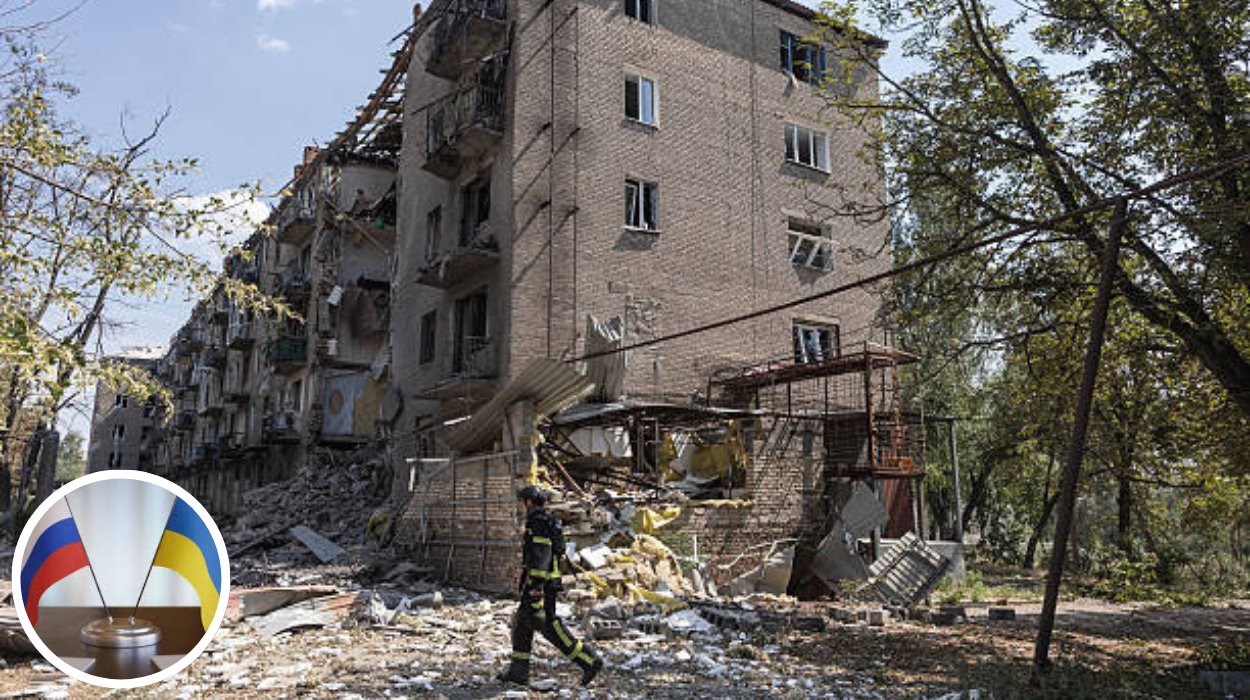
capital Kyiv and other regions. An explosion severely damaged the entrance of
the Lukianivska subway station, where civilians were sheltering, creating
scenes of panic and injury on the platform. Social media footage captured
people gasping and weeping as plumes of dust cascaded down the escalators.
Kyiv Mayor Vitali Klitschko told Euronews that
a children’s daycare center caught fire during the assault, supporting multiple
official reports that many residential areas, kiosks, and other infrastructure
were hit. According to Tymur Tkachenko, Head of the Kyiv City Military
Administration, the strikes “damaged the entrance” of a metro station, while at
least one person was killed and six were injured as confirmed by city
authorities.
Further west, cities like Ivano-Frankivsk also came under
attack. Mayor Ruslan Martsinkiv described severe infrastructure damage in three
villages, marking the fiercest onslaught in those areas since the beginning of
open hostilities.
How Did Ukraine Respond With Drone Attacks on Moscow?
According to Emily Atkinson of The Independent,
Ukrainian drones triggered temporary shutdowns and massive flight disruptions
at all four major Moscow airports—Sheremetyevo, Domodedovo, Vnukovo, and
Zhukovsky. More than 140 flights were canceled and over 130 were rerouted
during the night and early morning, causing extensive civilian inconvenience.
Russia’s Association of Tour Operators (Ator) reported that Moscow’s airports
had to close at least ten times within 24 hours due to repeated drone threats.
Russia’s Ministry of Defence claimed at least 27 drones were
intercepted over Moscow, while more than 230 Ukrainian drones were shot down
across Russia since Saturday morning. The aviation authority said flight
operations have since resumed, but the disruptions were the most severe since
the onset of the conflict.
As reported by the Kyiv Independent, overnight
drone attacks also sparked delays for 26 passenger trains in southern Russia’s
Rostov oblast, with interruptions lasting up to four hours and fires breaking
out at transit facilities. Moscow Mayor Sergey Sobyanin stated that at
least five drones were intercepted in the capital region. Emergency
service teams responded to crash sites where drone debris fell, including
incidents setting fire to vehicles in the Zelenograd suburb.
What Was the Scale of Damage and How Did Authorities
Respond?
The Russian Ministry of Defence claimed, as quoted by the
BBC, that over 230 Ukrainian drones had been brought down since Saturday
morning, and the Kaluga International Airport (southwest of Moscow) was among
those briefly shut due to drone sightings. No fatalities were reported
from the drone attacks in Russia. However, Russian air strikes in Ukraine led
to at least three civilian deaths and substantial fire and infrastructure
damage in Kyiv and other areas, according to local officials cited by Indian
Express and confirmed by France24.
In Dnipropetrovsk, a missile strike resulted in two deaths
and damage to “an outpatient clinic, a school, and a cultural facility,”
according to Governor Serhiy Lysak, as reported by Al Jazeera. Russian
attacks also destroyed key infrastructure in the Sumy region, leaving thousands
without power, President Zelenskyy said. Repeated strikes targeted both
industrial and residential targets in Sumy, Odesa, and beyond, as highlighted
by the Institute for the Study of War’s daily offensive campaign assessment.
What Are the Diplomatic and Strategic Reactions to These
Attacks?
According to DW, European Union leaders and
Ukraine Contact Group representatives met to assess further military aid for
Kyiv as the crisis intensified. China issued a stern warning to the EU
over sanctions imposed on Russia that affected Chinese interests, signaling
rising international tensions.
A video address from President Volodymyr Zelenskyy, reported
by Al Jazeera and The New York Times, reiterated
Ukraine’s readiness for direct peace talks, stating,
“Everything should be done
to achieve a ceasefire. The Russian side should stop hiding from decisions.”
Zelenskyy called for renewed meetings at the leaders’ level, while Ukraine’s
Security and Defence Secretary, Rustem Umerov, delivered the invitation to
Moscow and highlighted recent Istanbul talks focusing on prisoner and remains
exchanges.
The Trump administration has responded by promising new
military aid to Ukraine and issuing Moscow a 50-day deadline to achieve a
ceasefire or risk “100 percent tariffs” and broader sanctions. President Trump
declared, “We are very unhappy with Russia,” as reported by The New
York Times, and signaled a further increase in arms supplies if hostilities
continue.
Maria Zakharova, Russian Foreign Ministry spokesperson,
condemned Washington’s approach as “blackmail,” suggesting the pressure aimed
to halt peace negotiations altogether.
What Are Russian and Ukrainian Officials Saying About
Further Escalation or Peace?
As cited by The Independent, Kremlin
spokesperson Dmitry Peskov stated that President Vladimir Putin “remains open
to peace” but maintains that Moscow’s main objectives must be achieved. “This
is a long process, it requires effort, and it is not easy…The main thing for us
is to achieve our goals. Our goals are clear,” Peskov said, after repeated
heavy attacks overnight.
Ukrainian President Volodymyr Zelenskyy continues all calls
for dialogue but emphasizes that Russia should “stop avoiding decisions,”
urging progress towards a meeting of leaders and comprehensive ceasefire
arrangements, as cited by Al Jazeera and The New York
Times. Since the spring, attempts at peace have seen little traction,
with only prisoner exchanges and the return of remains agreed to in earlier
forums.
How Have the Attacks Changed Life for Ordinary Civilians?
As reported by Valerie Hopkins in The New York Times,
explosions at Kyiv subway stations sent civilians rushing for cover beneath
streets, many forced to remain sheltered for hours as rescue workers sifted
through debris. City officials stated several residential neighborhoods and
public spaces, like daycares, were engulfed in flames. Videos from the
scene showed exhausted families and frightened children being helped to safety.
In Russia, the disruptions at Moscow airports left thousands
of travelers stranded or rerouted, impacting the nation’s biggest aviation hub
with global knock-on effects. According to a BBC report, previous large-scale
Ukrainian drone strikes had grounded over 60,000 travelers nationwide,
underscoring the economic ramifications.
Officials in both countries acknowledged the profound
psychological toll: Odesa authorities described hospitals treating numerous
children, while in Russia, local media reported anxious passengers sleeping on
airport floors, awaiting updates.
What Is the Broader Military Context and Outlook?
The Institute for the Study of War outlined that Russian
forces used a mixture of Iskander ballistic and cruise missiles along with
hundreds of Shahed-style drones and “decoy drones” launched from various
regions including Voronezh, Kursk, Rostov, and Crimea. Ukrainian air defenses
reported intercepting over 200 projectiles, with dozens of missiles and drones
striking targets.
Ukraine, in turn, intensified its drone campaign with a
focus on both the psychological and economic impact. As explained by The
Kyiv Independent, recent drone strikes have delayed trains, paralyzed air
traffic, and exposed vulnerabilities in Russian air defense systems,
diminishing “the illusion of Russian invincibility.”
Military analysts quoted by DW and BBC point
out that Kyiv’s evolving drone tactics are forcing Russia to pour resources
into defensive measures, with each Ukrainian strike costing less yet demanding
a disproportionate Russian military and economic response.
Could This Escalation Lead to More Negotiations or Further
Combat?
As the cycle of attack and retaliation intensifies,
diplomatic maneuvering continues. Washington and Brussels are weighing stricter
sanctions and additional military shipments to Ukraine, while Moscow signals
its willingness to talk, albeit on terms that Kyiv finds unacceptable. With
new peace initiatives on the table and both sides feeling the sting of
deepening destruction, international observers remain watchful for signs of
either breakthrough or further escalation.
As the world watches, the lives of ordinary citizens in both
Ukraine and Russia are increasingly disrupted by a conflict that now reaches
daily into the heart of their cities and institutions.