
Key Points
- Secretary
of the Interior Doug Burgum and Attorney General Pam
Bondi visited the historic Alcatraz Island on
Friday, July 18, 2025. - The
visit underscores the enduring significance of Alcatraz in American
history and its role as a symbol of incarceration, civil rights, and
Native American activism. - No
formal statements regarding policy changes, preservation efforts, or
justice department actions at Alcatraz were issued during the visit. - The
visit follows recent, high-profile actions by Attorney General Pam Bondi,
including the dismissal of top Justice Department ethics staff connected
to former special counsel Jack Smith’s investigations into Donald Trump. - The
events come amid a tumultuous period for federal departments, including
the Supreme Court’s recent decision to allow the dismantling of the
Education Department. - Coverage
of the visit and its context has been sparse, and no official press
conference was held on the island.
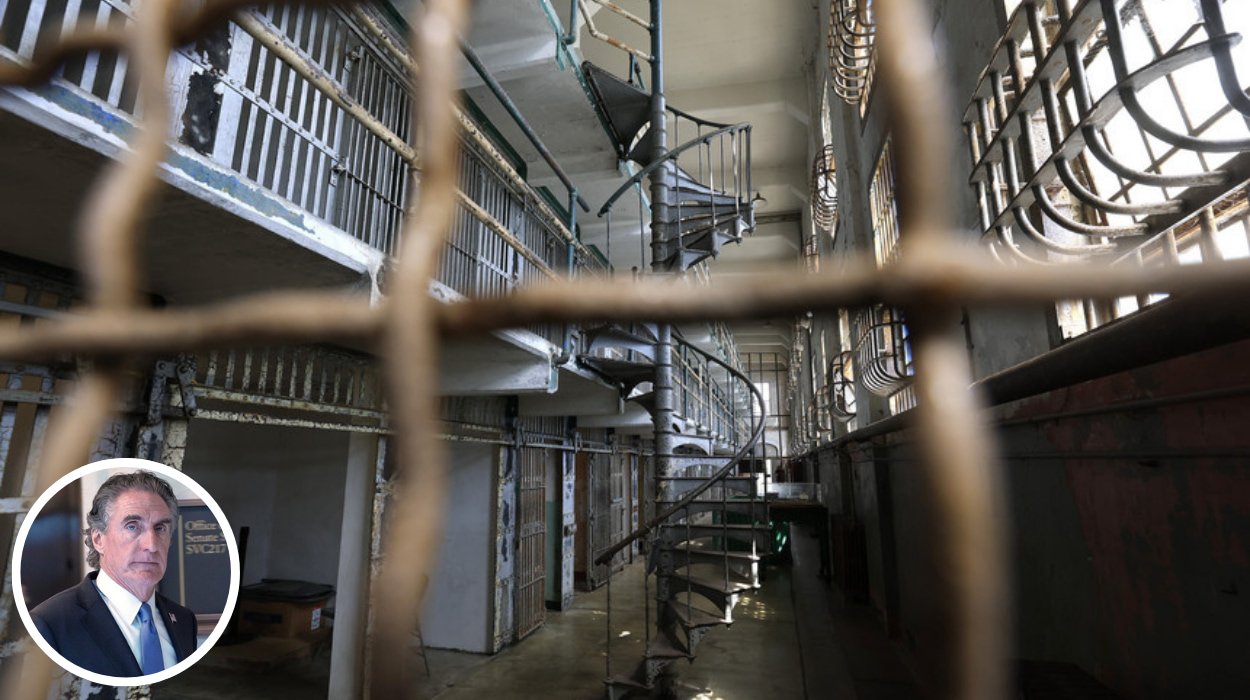
Two senior Trump administration officials, Secretary of
the Interior Doug Burgum and Attorney General Pam Bondi, paid a high-profile
visit to Alcatraz Island on Friday, a move that places one of America’s most
infamous sites of incarceration back in the national spotlight at a time of
significant political and institutional upheaval.
Why Did Doug Burgum and Pam Bondi Visit Alcatraz Island?
The precise purpose of Secretary Doug Burgum and
Attorney General Pam Bondi’s visit to Alcatraz Island remains
undisclosed. There were no official statements or press releases detailing new
initiatives or policy proposals connected to the visit on July 18, 2025. The
visit, however, comes at a time when federal agencies, including the Justice
Department and Department of the Interior, face scrutiny over their management,
leadership changes, and approach to historic sites and American heritage.
Journalist’s analysis from Democracy Now! confirms
that “no formal announcements regarding Alcatraz or other historic preservation
measures were made during the island visit”. Historically, Alcatraz has
been a potent symbol in criminal justice reform discussions and Native American
activism, making the timing and optics of this senior-level visit notable even
in the absence of policy changes.
What Changes Has Attorney General Pam Bondi Made at the
Justice Department?
According to Democracy Now! reporter Amy
Goodman, mere days before the Alcatraz visit, Attorney General Pam Bondi took
the abrupt decision to fire the Justice Department’s top ethics lawyer,
Joseph Tirrell, alongside at least 20 other department personnel linked to
former special counsel Jack Smith’s Trump investigations. Tirrell, who had
served with the department for 16 years, “said he was not given a reason for
his removal.” His responsibilities had included advising Bondi and FBI Director
Kash Patel on conflicts of interest, disclosures, and gifts.
Highlighting the suddenness and possible implications of the
move, the report added:
“Tirrell was tasked with advising Bondi, FBI Director
Kash Patel and other top officials on conflicts of interest, disclosures and
gifts”.
This sweeping change in the ethics division, one of the
Justice Department’s most critical watchdog teams, came without public
reasoning or replacement announcements, raising concerns among legal analysts
about department transparency and independence.
How Does This Visit Align with Broader Federal Shake-ups?
Friday’s visit occurs during a chaotic time for several
federal agencies. As covered by Democracy Now!, the same week
witnessed the Supreme Court greenlighting a radical dismantling of the
U.S. Department of Education. This decision has drawn severe criticism
from education advocates, who warn of “untold harm” to public education and
federal oversight.
In the Justice Department, Bondi’s personnel shake-up has
not come with assurances about continuity or replacement staff for the crucial
ethics function. The context of visiting Alcatraz—a site often invoked as
a symbol of the American penal system, government authority, and civil rights
confrontation—takes on symbolic meaning amid these leadership transitions and
contentious political currents.
Why Is Alcatraz Island Important in American Public Life?
Alcatraz Island is a former federal prison
located in San Francisco Bay, with a complex legacy interwoven with national
debates on punishment, rehabilitation, civil rights, and Native American
sovereignty. Once housing notorious criminals and, later, the site of a
high-profile Native American occupation in the late 1960s and early 1970s,
Alcatraz has long functioned as both a tourist attraction and a touchstone for
reconsidering U.S. criminal justice practices.
The Department of the Interior, which oversees
the National Park Service and thus manages Alcatraz, has historically used the
site for public education and historical interpretation, focusing on both its
role as a penitentiary and its legacy in civil rights struggles. No new
initiatives or changes to the management or interpretation of Alcatraz were
announced during this visit.
Did the Officials or the Administration Issue Any Public
Statements about the Visit?
Based on available reporting across major news
sources, no official press conference or statement was
released by Secretary Doug Burgum or Attorney General Pam Bondi regarding the
Alcatraz Island visit. Media on-site were not granted access to closed-door
discussions, if any took place. Additionally, the PBS NewsHour and
other national outlets did not note any prepared remarks or react to the visit
in ongoing coverage of federal department news or senior-level agency activity.
How Has Alcatraz Been Featured in Political or Justice
Department Narratives?
Alcatraz has periodically served as a stage for American
political and cultural debate. In recent decades, it has been highlighted as:
- A
cautionary tale in mass incarceration discussions, both as a model and
as a relic. - A
symbol of Native American resistance, especially since the landmark
1969-1971 occupation by activists asserting Indigenous rights. - A
site for federal and presidential visits, though such occasions are
typically accompanied by historical acknowledgments or policy speeches.
Friday’s visit, however, has been described as unusually
low-profile, lacking the ceremonial announcements or policy linkage typical of
such officials’ travel to symbol-heavy locations.
What’s Next: Will Policy or Preservation Changes Follow?
At this stage, there are no public indications that
the visit will immediately translate into policy revisions, changes in
Alcatraz’s interpretation, or new investment in the site’s preservation. The
lack of statements appears consistent with the senior officials’ current
approach—characterized by behind-the-scenes personnel shifts rather than
high-visibility public announcements.
How Does This Fit in the Current Federal Political
Climate?
The broader context for the visit includes significant
federal upheavals:
- Restructuring
within the Justice Department, as highlighted by Bondi’s sudden
personnel removals. - Disruption
in federal education policy following the Supreme Court’s recent
decision. - Renewed
debates over executive power, government transparency, and the role of
historic sites in American civic life.
These themes parallel the unresolved questions surrounding
the Alcatraz visit: what role will historic, symbolic sites play in federal
recalibrations, and will new leadership at the Interior and Justice Departments
bring about substantial shifts in approach or simply changes in personnel?
How Have National Media Covered This Story?
Major outlets such as Democracy Now! have
prioritized coverage of Bondi’s actions at the Justice Department, while
including the Alcatraz visit as part of a “broader pattern of secrecy and
non-disclosure under the current administration”. Reporting has widely
noted the absence of policy announcements, contextualizing the event within
larger stories about departmental transparency and historic site stewardship.
PBS NewsHour’s top news focused mainly on
macroeconomic issues, Supreme Court decisions, and foreign policy, with little
direct reference to the Alcatraz trip. The visit appeared to be secondary
in coverage priority given the dramatic events elsewhere in federal government,
though experts suggest the symbolic overtones of such a visit could point to
deeper administrative trends.