
Key Points
- Catastrophic
flash floods in Central Texas over the July 4th weekend killed at least
120 people, with dozens still missing and hundreds of structures destroyed. - The
disaster is among the deadliest floods in U.S. history, with significant
loss of life at Camp Mystic, an all-girls summer camp along the Guadalupe
River. - Intense
rainfall, parched soil from ongoing drought, and insufficient warning
systems contributed to the scale of the tragedy. - Emergency
response efforts have been led by The Salvation Army, local fire
departments, and state and federal agencies, with ongoing rescue and
recovery operations. - Texas
Governor Greg Abbott and President Donald Trump have pledged full support
and resources for affected communities. - The
disaster has exposed gaps in Texas’ land use regulations, particularly the
absence of strict zoning and floodplain management outside major cities. - Experts
and officials are calling for updated building codes and elevation
requirements to protect against future floods, as climate change increases
the frequency of extreme weather events. - Community
organizations, residents, and national charities have mobilized to provide
relief, with warnings about potential scams targeting donors. - The
event has reignited debate over the cost and necessity of modern,
hazard-resistant building codes, with evidence showing significant
long-term savings and reduced damage where such codes are enforced.
The recent flood disaster in Central Texas has brought to
light the devastating consequences of extreme weather events intensified by
climate change. With hundreds of lives lost and communities shattered, the
tragedy underscores the urgent need for improved land use policies and stronger
building codes. As rescue and recovery efforts continue, experts emphasize that
elevating structures and enforcing modern safety standards are critical steps
to safeguarding residents and minimizing future flood damage in Texas and
beyond.
How Did the Texas Flood Disaster Unfold?
As reported by Bill Weir of CNN, the disaster began in the
early hours of Independence Day, when rain hammered the slumbering towns in
central Texas, with the full extent of the impending disaster still unknown. By
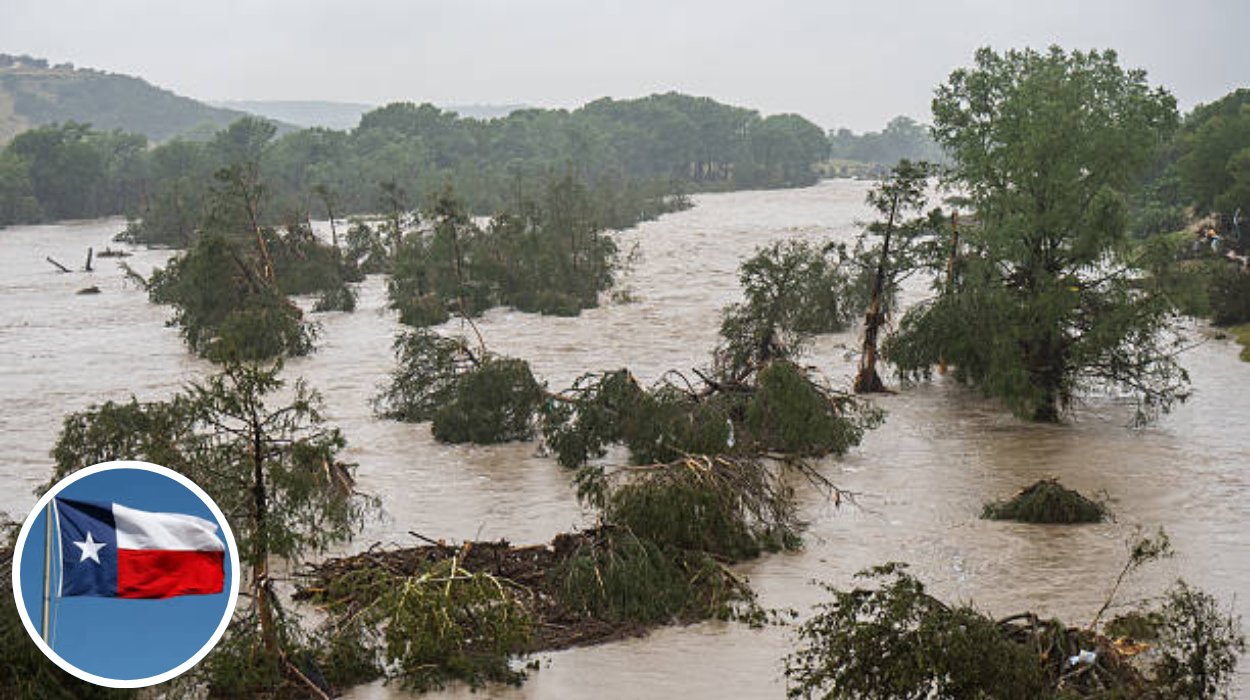
the time the sun rose, entire neighborhoods and summer camps along the
Guadalupe River were engulfed by rapidly rising waters. The National Weather
Service had issued flood warnings as early as Thursday morning, but the
situation escalated dramatically when regions experienced an entire summer’s
worth of rain within just a few hours on Friday morning.
According to NBC News, the urgency of National Weather
Service alerts was not matched by local emergency systems. In Kerr County,
officials failed to activate the CodeRed emergency warning system in time for
many residents.
“It’s an every minute discussion, or every 15-minute
discussion with them to make sure that we are not going to get a wall of water
coming up on top of us,”
Chief Bizzell told News 4 San Antonio.
What Was the Human Toll and Who Was Affected?
As reported by CBS News and BBC News, the death toll has
surpassed 120, with more than 160 people still missing as of July 13. Among
the victims were at least 27 campers and counselors from Camp Mystic, an
all-girls Christian summer camp devastated by the floodwaters. Texas
Governor Greg Abbott, after visiting the camp, described the scene as
horrendously ravaged in ways unlike I’ve seen in any natural disaster. He
pledged, “We won’t stop until we find every girl who was in those cabins”.
President Donald Trump, speaking to the press as he left New
Jersey, stated,
“We are collaborating closely with Texas representatives, and
this is an absolutely tragic situation. We extend our blessings to all those
who have endured so much, and may God bless Texas”.
The president
authorized a disaster declaration for Kerr County to ensure immediate access to
federal resources.
Why Was the Flood So Devastating?
According to CNN’s climate analysis, multiple factors
converged to create a “worst-case scenario.” Central Texas was experiencing one
of the most severe droughts in the nation, which left the soil unable to absorb
the deluge. In Hunt, Texas, “approximately 6.5 inches of rain fell in a
mere three hours, marking an event that occurs only once in a century for that
area”. The Guadalupe River surged to 30 feet, overwhelming everything in
its path.
Bill Weir of CNN emphasized,
“Elevation is the sole refuge,
even if achieving that requires a generational shift in thinking, along with
new survival manuals and building regulations. May their memories serve as a
blessing and a crucial warning”.
What Was the Emergency Response?
The Salvation Army played a central role in the immediate
response. As reported by PR Newswire, “Trained disaster response teams provide
food, supplies, and emotional and spiritual care as death toll rises”. Major
Phil Swyers, speaking to MSNBC, described how the Salvation Army was on the
ground in Texas providing critical support for the first responders and
residents displaced by the devastation.
Local residents also mobilized quickly. The BBC reported on
individuals like Perla, who began collecting clothing and shoes for shelters
immediately after the floods. The Community Foundation of the Texas Hill
Country established the Kerr County Flood Relief Fund to support ongoing relief
and rebuilding efforts.
How Did Texas’ Land Use and Building Codes Contribute to the
Disaster?
ABC News’ coverage highlighted the lack of comprehensive
land use regulations in Texas, particularly outside major cities. “A number of
the cabins were in known flood zones and close proximity to the river,
according to officials and FEMA’s flood maps,” ABC News reported. Republican
Texas Rep. Gary Gates acknowledged,
“Outside of the major cities, there are
generally no major zoning rules. When it comes to dwellings that are built
along the coast and near flood areas, state legislators leave the discretion to
the counties and the free market system”.
Sarah Adams, an assistant professor at the University of
Oregon, told ABC News, “Communities can significantly reduce the harms and
costs of flood disasters by focusing on where new homes, schools, and
businesses are developed, not just how safe the individual buildings are”.
What Are Experts and Officials Saying About Building Codes
and Future Preparedness?
As reported by NPR, research shows that “most building codes
related to floods and other hazards add only 1-2% to the cost of new home
construction. Furthermore, studies demonstrate that the benefits significantly
outweigh this initial investment”. A FEMA analysis found that modern
building codes prevented $32 billion in damages for homes built since 2000.
Despite these findings, some federal officials have pushed
back on stronger codes. “I am concerned that federal overreach regarding
building codes imposes unnecessary obstacles for businesses and property
owners,” remarked Rep. Scott Perry, R-Pa., during a hearing on FEMA’s emphasis
on building codes.
The Federal Emergency Management Agency (FEMA) continues to
advocate for the adoption of the latest hazard-resistant codes. According to
FEMA documents, adopting the latest editions “protects people, property, and
communities from natural hazards, reduces disaster losses and saves money, and
gives a competitive advantage in grant funding”.
CNN’s Bill Weir concluded,
“The floods show that a shift in
mindset is needed for disaster preparedness and our warming world. Elevation is
the only salvation, even if it takes a generational shift in mindset and new
survival guides and building codes to get there”.
How Are Communities and Organizations Responding to the
Crisis?
The Salvation Army, the Community Foundation of the Texas
Hill Country, and other organizations have mobilized to provide food, shelter,
and emotional support to survivors. However, as noted by The New York
Times, officials have warned against traveling to the disaster area, urging the
public to make monetary donations instead and to be wary of scams.
Local residents, like Perla and her brothers in the fire
department, have played a critical role in relief efforts, gathering supplies
and assisting with search and rescue operations. The Center Point
Volunteer Fire Department has raised alarms about fraudulent fundraising
activities and is now accepting donations only by check.
What Steps Are Being Proposed to Prevent Future Tragedies?
According to Smart Cities Dive, the Association of State
Floodplain Managers has established minimum requirements for building
structures in flood hazard areas, and experts are calling for these standards
to be adopted nationwide. The International Code Council has also approved
stronger building codes to protect critical infrastructure such as hospitals
and schools from flooding.
FEMA recommends that communities “review and update codes on
a regular basis, and the closer we update to the two most recent code editions
(Approx. every 6 years) will increase your grant opportunities both in
preferred status, i.e., BCEGS rating, including CRS rating (or lower insurance
dollars)”.
What Is the Path Forward for Texas and Other At-Risk
Regions?
The Texas flood disaster has exposed the urgent need for a
generational shift in disaster preparedness, land use planning, and building
code enforcement. As climate change increases the frequency and severity of
extreme weather events, communities across the country must reconsider where
and how they build.
As Bill Weir of CNN wrote, “May their memories be a
blessing. And a lifesaving warning”. The lessons of this tragedy are
clear: elevation is salvation, and new codes are not just needed—they are
essential for the future safety and resilience of Texas and beyond.