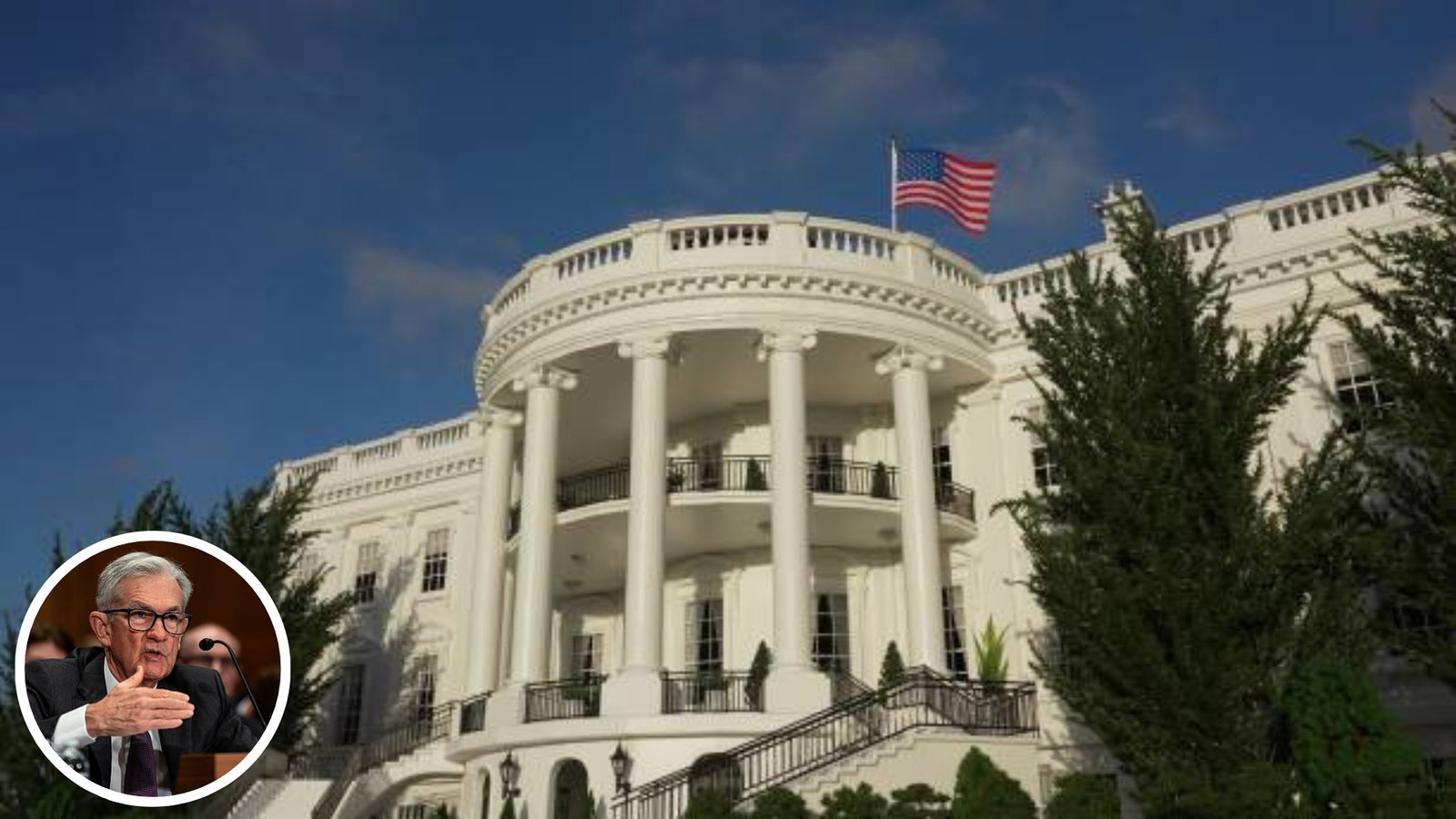

Key Points:
- The
White House has adopted its most aggressive public position to date
against Federal Reserve Chair Jerome Powell. - The
move signals heightened tensions between the executive branch and the
independent central bank. - The
dispute centers on economic policy, inflation, and interest rate
decisions. - The
White House’s criticism comes amid ongoing economic uncertainty in the
United States. - Powell’s
leadership of the Federal Reserve has been under scrutiny from both
political parties. - The
administration’s statements mark a significant escalation in the
traditionally cautious relationship between the White House and the Fed. - Market
analysts and political observers are closely watching for potential
impacts on monetary policy and financial markets.
In a move that breaks with decades of precedent, the
White House has taken its most aggressive public stance yet against Federal
Reserve Chair Jerome Powell, sharply criticizing the central bank’s recent
policy decisions and raising questions about the future of monetary policy
independence in the United States.
Why Has the White House Escalated Its Criticism of Jerome
Powell?
As reported by multiple news outlets, the White House’s
criticism of Jerome Powell intensified following a series of interest rate
decisions and public remarks by the Fed chair that the administration believes
are hampering economic recovery efforts. The administration’s frustration
reportedly reached a boiling point after Powell signaled a cautious approach to
lowering interest rates, despite recent data showing persistent inflation and
slowing job growth.
According to sources familiar with the matter, senior
White House officials have grown increasingly concerned that the Fed’s stance
could undermine efforts to stimulate the economy ahead of the 2026 midterm
elections. The administration’s economic advisors have privately and publicly
urged the central bank to consider the broader economic impacts of its policy
decisions, particularly on working-class Americans facing higher borrowing
costs.
How Did the White House Express Its Displeasure?
In a statement attributed to a senior administration
official and reported by several major media outlets, the White House declared,
“The Federal Reserve’s current approach is out of step with the needs of
American families. Chair Powell’s reluctance to adjust course threatens to
prolong unnecessary economic pain.”
The official added,
“We urge the Fed to
take a more balanced view that considers the real-world impact of its
decisions.”
This unusually direct rebuke marks a departure from the
traditional deference shown by presidents and their staff toward the central
bank, which is structured to operate independently of political pressure.
What Is the Historical Context for Tensions Between the
White House and the Fed?
As noted by economic historians, friction between the
White House and the Federal Reserve is not new, but public confrontations have
been rare in recent decades. Traditionally, presidents have refrained from
overtly criticizing the Fed to preserve the perception of its independence—a
cornerstone of U.S. economic policy since the central bank’s founding in 1913.
For example, while President Lyndon B. Johnson and
President Richard Nixon both pressured their Fed chairs behind closed doors,
public statements were carefully calibrated to avoid undermining confidence in
the institution. In contrast, the current administration’s approach is more
confrontational and transparent.
What Are the Risks of Open Conflict Between the Executive
Branch and the Fed?
According to financial analysts cited by The Wall Street
Journal and The New York Times, open conflict between the White House and the
Fed can create uncertainty in financial markets, potentially leading to
increased volatility in stock and bond prices. Investors may fear that
political interference could compromise the central bank’s ability to manage
inflation and support stable economic growth.
What Has Jerome Powell Said in Response to the White
House Criticism?
Jerome
Powell has maintained a measured tone in public appearances, reiterating the
Fed’s commitment to its dual mandate of price stability and maximum employment.
Powell stated,
“The Federal Reserve will continue to make decisions based on
data and in the best interest of the American people, free from political
considerations.”
Powell has also emphasized the importance of central bank
independence, warning that
“short-term political pressures should not dictate
long-term economic policy.”
How Has the Federal Reserve Board Reacted?
Other members of the Federal Reserve Board have echoed
Powell’s sentiments, stressing that the institution’s credibility depends on
its ability to act independently. In a statement to reporters, a Fed
spokesperson said,
“Our decisions are guided by economic data and analysis, not
by political commentary.”
What Are the Broader Implications for U.S. Economic
Policy?
Market analysts are divided on whether the White House’s
criticism will influence the Fed’s approach to monetary policy. Some believe
the central bank will double down on its commitment to independence, while
others suggest that sustained political pressure could eventually sway
decision-making, especially if economic conditions deteriorate.
How Are Financial Markets Reacting?
The
immediate reaction in financial markets has been muted, with most investors
adopting a wait-and-see approach. However, some analysts warn that prolonged
tensions could erode confidence in U.S. economic management, particularly if
they lead to unpredictable policy shifts.
What Do Economists Say About the Importance of Fed
Independence?
Leading economists argue
that central bank independence is vital for maintaining low inflation and
stable growth. They caution that politicizing monetary policy risks repeating
the mistakes of the 1970s, when political interference contributed to runaway
inflation and economic instability.
What Are Political Leaders and Lawmakers Saying?
Reactions on Capitol Hill have been mixed. Some lawmakers
from the president’s party have defended the administration’s right to voice
concerns about economic policy, while others have warned against undermining
the Fed’s authority. Republican leaders, for their part, have seized on the
dispute to accuse the White House of attempting to scapegoat Powell for broader
economic challenges.
Are There Calls for Legislative Action?
A handful of legislators have proposed bills aimed at
clarifying the boundaries between the executive branch and the Federal Reserve,
though such measures face uncertain prospects in a divided Congress.
What Happens Next in the White House vs. Powell Dispute?
While the president has the authority to appoint and, in
some cases, remove the Fed chair, such actions are rare and would likely
provoke a political and market backlash. For now, most observers expect Powell
to serve out his term, though his relationship with the White House will remain
under close scrutiny.
What Should Americans Expect in the Coming Months?
Economists and political analysts agree that the coming
months will be critical for both the White House and the Federal Reserve. As
the U.S. economy faces ongoing challenges, the ability of policymakers to work
together—or at least avoid open conflict—will be closely watched by Americans
and global investors alike.