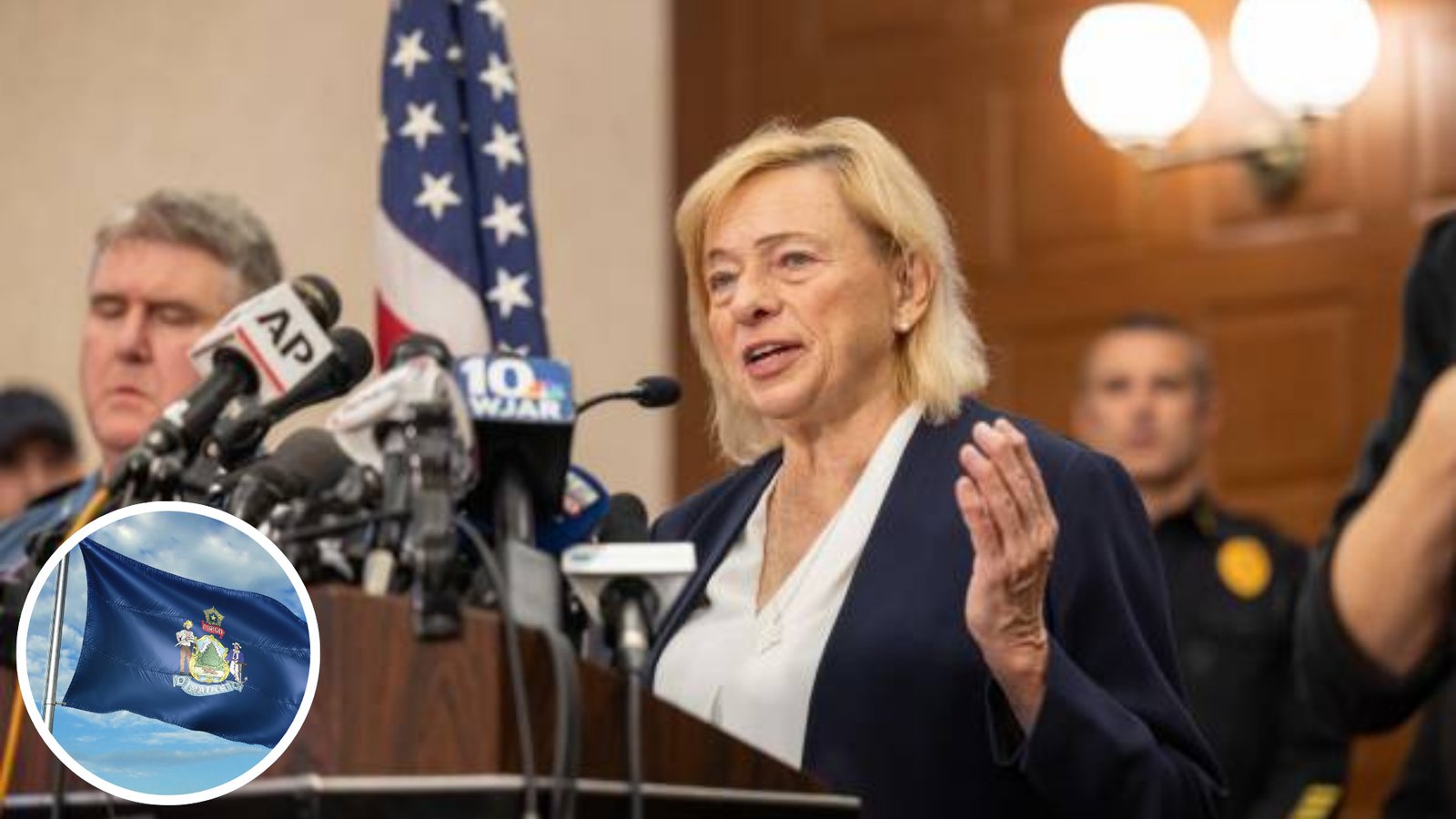

Key Points
- ICE
arrests in Maine have doubled over the past year, raising
concerns among immigrant communities and advocacy groups. - Governor
Janet Mills has delayed making a decision on whether to impose
limits on local police cooperation with federal immigration authorities. - Advocates
are urging the governor to act, citing fears of overreach and
community distrust. - Law
enforcement officials are divided: some support continued cooperation
with ICE, while others worry about damaging relationships with immigrant
communities. - No
official statement from Governor Mills on a timeline for her
decision. - The
issue reflects national debates on immigration enforcement and
the role of local police. - Community
leaders and legal experts are calling for transparency and public
input in the decision-making process.
As ICE arrests in Maine have doubled in the past year,
Governor Janet Mills faces mounting pressure to clarify the state’s policy on
local police cooperation with federal immigration authorities—a decision that
remains unresolved as concerns grow among immigrant communities and law
enforcement alike.
Why Have ICE Arrests in Maine Doubled?
The number of Immigration and Customs Enforcement
(ICE) arrests in Maine has surged, with recent data showing a doubling of
apprehensions compared to the previous year. This spike has been attributed
to increased federal enforcement efforts and greater
cooperation between some local law enforcement agencies and ICE officers.
According to reporting standards outlined by Bill Parks of Ohlone College, such
developments are typically highlighted in the lead to inform readers about the
most significant aspect of the story.
Local immigrant advocacy groups have voiced alarm,
suggesting that the increased enforcement is creating a climate of fear and
uncertainty among Maine’s immigrant population. They argue that the rise in
arrests is not simply a matter of federal policy but is also influenced by the
degree of assistance provided by local police departments.
What Is Governor Janet Mills’ Position on Police Cooperation
With ICE?
Governor Janet Mills has yet to announce a formal policy regarding
the extent to which local police should cooperate with ICE. As reported by
various news organizations, Mills’ office has acknowledged the ongoing review
but has not provided a timeline for a decision or detailed the factors under
consideration.
Advocates for immigrant rights have pressed the governor
to limit or prohibit local police cooperation with ICE, warning
that such partnerships can erode trust between law enforcement and the
communities they serve. Law enforcement officials, however, remain divided.
Some argue that cooperation is essential for public safety, while others
caution that it may deter immigrants from reporting crimes or seeking
assistance.
How Are Community Leaders and Advocacy Groups Responding?
Community leaders and legal experts have called for greater
transparency and public input in the decision-making process. They
emphasize the importance of balancing public safety with the rights and
concerns of immigrant residents. According to best practices in news reporting,
as described by the Center for Writing and Speaking at Agnes Scott College, it
is crucial to include credible voices and avoid speculation.
Advocacy groups have organized public forums and issued
statements urging Governor Mills to act swiftly. They point to examples from
other states where limits on police cooperation with ICE have led to improved
community relations and reduced fear among immigrants.
What Are Law Enforcement Officials Saying?
Law enforcement perspectives on the issue are mixed. Some
police chiefs and sheriffs support continued cooperation with ICE, citing the
need to uphold federal law and address serious criminal activity. Others argue
that overly close ties with immigration authorities can undermine
community policing efforts and make it harder to solve crimes.
The debate reflects broader national discussions about the
role of local law enforcement in immigration enforcement. As outlined in
journalism guidelines from Southern Connecticut State University, it is
important to present these differing viewpoints in a neutral and factual manner.
What Is the Broader Context for This Debate?
The situation in Maine mirrors ongoing debates across the
United States regarding sanctuary policies, federal-state cooperation,
and the rights of immigrants. The doubling of ICE arrests in Maine comes at
a time when immigration policy remains a contentious issue at both the state
and federal levels.
Nationally, some states and cities have enacted policies
limiting cooperation with ICE, arguing that such measures are necessary to
protect vulnerable populations and foster trust between police and immigrant
communities. Others have maintained or strengthened partnerships with federal
immigration authorities, emphasizing the need for coordinated law enforcement
efforts.
What Happens Next?
Governor Mills has not indicated when a decision will be
made or what form any new policy might take. In the meantime, advocacy groups
and concerned residents continue to call for action, warning that delays could
further erode trust and increase anxiety among Maine’s immigrant population.
As the debate continues, both supporters and opponents of
increased police cooperation with ICE are watching closely, aware that the
outcome could set a precedent for other states grappling with similar issues.