
Key Points
- Germany
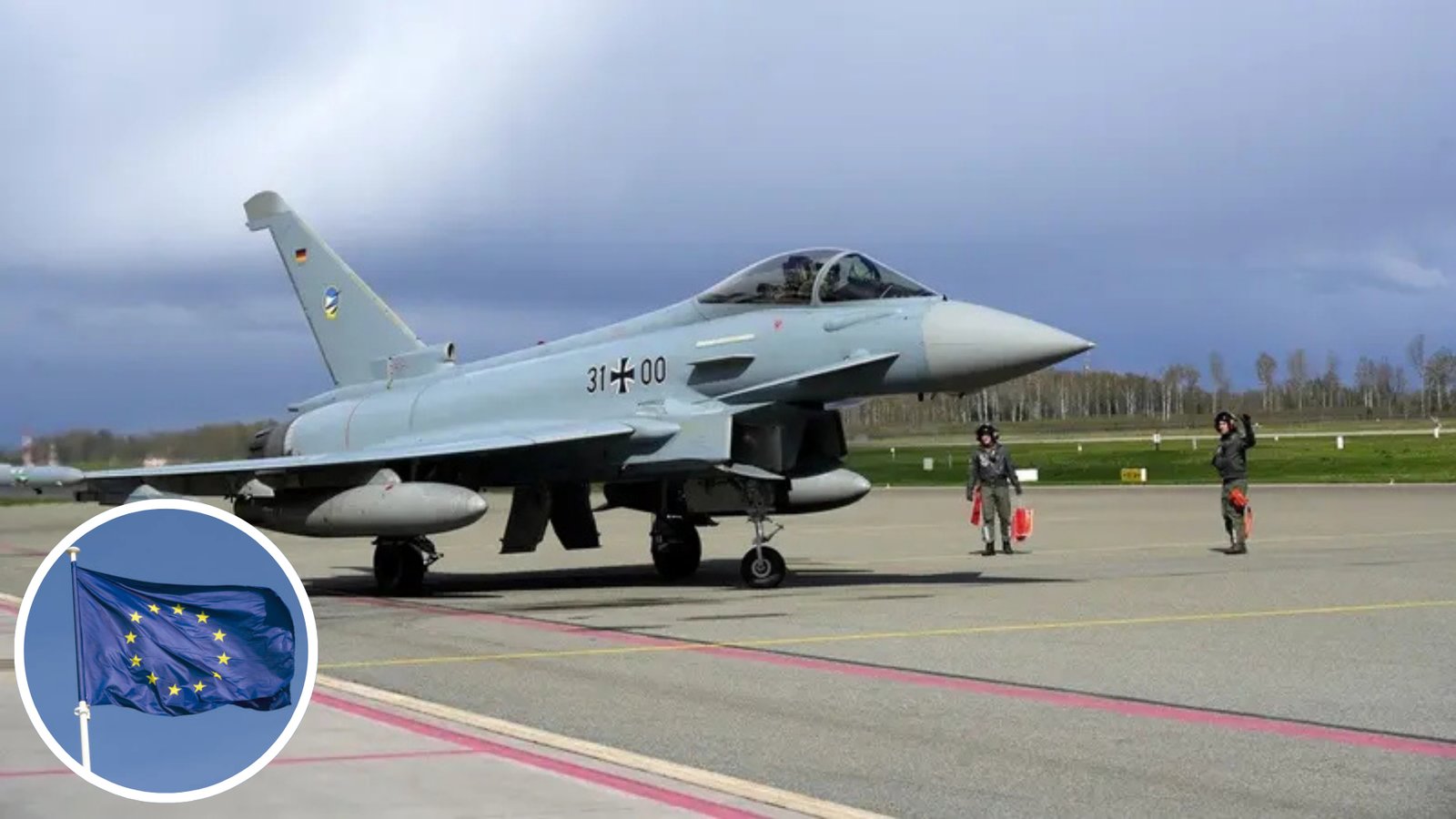
has formally accused China of using lasers to target German military
aircraft participating in an EU mission. - The
incident reportedly occurred during a routine operation, raising concerns
over flight safety and international norms. - German
officials have demanded an explanation from the Chinese government and
called for a thorough investigation. - The
accusation adds to growing tensions between the EU and China regarding
military conduct and airspace safety. - No
injuries or damage were reported, but Germany described the incident as a
“serious provocation.” - China
has denied any wrongdoing, calling the allegations “unfounded and
irresponsible.” - The EU
has expressed support for Germany and called for adherence to
international aviation standards. - The
event has sparked debate over the risks of military encounters in
contested regions.
Germany’s accusation that China targeted its military
aircraft with lasers during an EU mission has escalated diplomatic tensions and
raised new questions about the safety of international military operations. The
incident, which German officials describe as a ‘serious provocation,’ has
prompted demands for explanation and international scrutiny.
What Did Germany Accuse China Of?
German authorities have formally accused China of
using lasers to target German military aircraft involved in a European Union mission. According to statements from the German Defense Ministry, the
incident occurred during a routine patrol, though specific details about the
location and timing have not been made public.
No injuries or equipment damage were reported, but the
German government has emphasized the potential risks such actions pose to
aircrews and the integrity of international missions.
How Did Germany Respond to the Incident?
Germany’s response was swift and unequivocal. The Defense
Ministry issued a formal protest to the Chinese government and called for a
comprehensive investigation into the incident.
German Foreign Minister Annalena Baerbock underscored the
gravity of the situation, stating that
“the safety of our personnel and the
integrity of our missions cannot be compromised by reckless behavior.”
What Has China Said About the Accusations?
China has denied any involvement in the
alleged laser incident. In a statement carried by Yahoo News, the Chinese
Foreign Ministry called the German accusations “unfounded and irresponsible.”
Chinese officials have called for dialogue to resolve the
matter and have requested that Germany provide concrete evidence to support its
claims.
What Is the EU’s Position on the Incident?
The European Union has expressed solidarity with
Germany and emphasized the importance of upholding international
aviation safety standards. EU foreign policy chief Josep Borrell stated that
the bloc “takes these allegations very seriously” and is monitoring the
situation closely.
The EU has not announced any specific retaliatory measures
but has called for transparency and accountability in the investigation.
Why Are Lasers a Concern for Military Aircraft?
The use of lasers against aircraft is considered highly
dangerous. Lasers can temporarily blind pilots, damage sensitive equipment, and
compromise the safety of both military and civilian flights. International
aviation organizations have strict regulations prohibiting the use of lasers
against aircraft.
Germany’s accusation comes amid a broader pattern of
reported laser incidents involving military aircraft from various countries,
particularly in regions where airspace is disputed or heavily monitored.
How Does This Incident Affect EU-China Relations?
The laser targeting accusation is likely to exacerbate
already strained relations between the European Union and China. The
EU has previously raised concerns about China’s military activities and its
approach to international norms.
Diplomatic experts suggest that the EU may use this incident
to press China for greater transparency and adherence to international
agreements.
What Are the Broader Implications for International
Security?
The incident highlights the risks of military
encounters in contested regions and the potential for
misunderstandings to escalate into larger conflicts. Experts warn that as
military operations become more technologically advanced, the potential for
dangerous encounters increases.
The event may prompt renewed discussions within NATO and the
EU about best practices for protecting military personnel and ensuring the
safety of international missions.
What Happens Next?
Germany has called for a thorough investigation and
has requested that the EU and international aviation authorities become
involved. The Chinese government has reiterated its willingness to engage in
dialogue but maintains that it has done nothing wrong.
In conclusion, Germany’s accusation of China targeting its
military aircraft with lasers during an EU mission marks a significant
escalation in tensions between the two powers. While China denies the claims,
the incident underscores growing concerns over the safety and conduct of
military operations in contested airspace. As investigations proceed and
diplomatic dialogues continue, the international community will be closely
watching how both sides address these serious allegations to prevent further deterioration
of relations and ensure the safety of future missions.