
Key Points
- Transportation
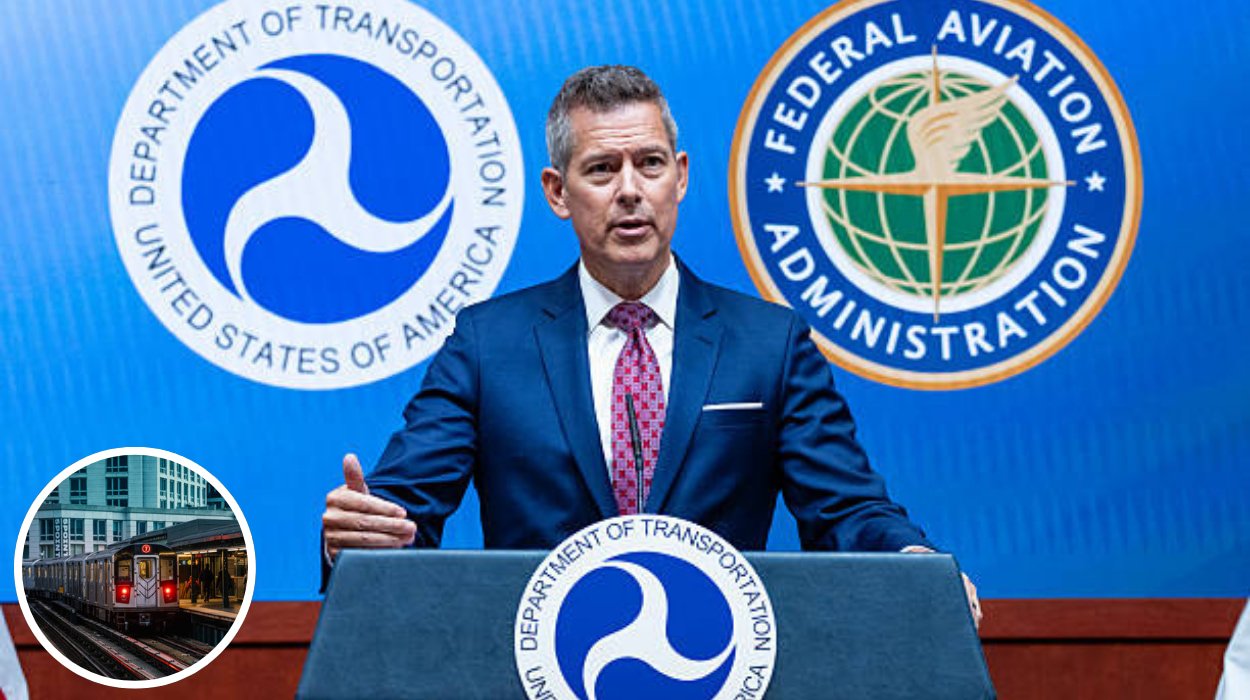
Secretary Sean Duffy has publicly criticized the Metropolitan
Transportation Authority (MTA) for ongoing subway crime. - Duffy’s
comments come as the debate over congestion pricing in
New York City intensifies. - The
Secretary’s statements highlight concerns about public safety and the
effectiveness of MTA leadership. - Duffy
has previously voiced similar criticisms, making this a recurring issue in
his public addresses. - The
MTA has responded to past criticisms, defending its safety measures and
commitment to rider security. - The
debate is unfolding against the backdrop of broader urban policy
discussions, including transit funding and city congestion. - The
issue has drawn attention from city officials, commuters, and advocacy
groups, reflecting its significance in New York’s public discourse.
Transportation Secretary Sean Duffy has renewed his
criticism of the Metropolitan Transportation Authority (MTA), focusing on
persistent subway crime as New York City’s contentious congestion pricing plan
remains under debate. Duffy’s remarks underscore mounting concerns about public
safety on public transit and the broader implications for urban mobility
policy.
Why Did Sean Duffy Criticize the MTA Over Subway Crime?
As reported by multiple news outlets, Transportation
Secretary Sean Duffy has once again taken aim at the MTA,
citing ongoing issues with crime in the subway system. Duffy’s latest comments
were delivered amid a surge in public and political scrutiny of the MTA’s
ability to keep riders safe.
As Duffy stated,
“The safety of New Yorkers must be the
top priority. The MTA has not done enough to address the persistent crime that
plagues our subways.”
Duffy’s criticism is not new. He has previously raised
alarms about subway safety, often linking the issue to broader questions about
the MTA’s management and accountability. This latest rebuke comes as city
officials and transit advocates debate the merits and timing of congestion
pricing—a policy designed to reduce traffic in Manhattan by charging drivers a
fee to enter the city’s core.
How Does Subway Crime Factor Into the Congestion Pricing
Debate?
The congestion pricing plan, which aims to
alleviate traffic and fund transit improvements, has become a flashpoint for
discussions about the future of New York City’s transportation system. Duffy’s
focus on subway crime adds a layer of complexity to the debate.
According to Duffy, any effort to encourage more people to
use public transit must be accompanied by robust measures to ensure their
safety. He argues that without addressing crime, congestion pricing could
inadvertently push commuters into an unsafe environment.
As reported by various journalists, Duffy’s position is
that
“Public trust in the transit system is essential for the success of
congestion pricing. If riders do not feel safe, they will not support or use
the system, undermining the policy’s goals.”
What Has the MTA Said in Response to Duffy’s Criticism?
The MTA has previously responded to similar
criticisms by emphasizing its ongoing efforts to improve safety and security.
MTA officials have pointed to increased police presence, upgraded surveillance
systems, and community outreach initiatives as evidence of their commitment to
rider safety.
In past statements, MTA leadership has acknowledged the
challenges posed by crime but insisted that the system remains fundamentally
safe for most riders. They have also highlighted the importance of continued
investment in both infrastructure and personnel to address safety concerns.
As noted in prior MTA communications,
“We are working
closely with law enforcement and city officials to ensure that the subway
remains a safe and reliable option for all New Yorkers.”
What Are the Broader Implications for New York City?
The clash between Duffy and the MTA reflects deeper tensions
within New York’s urban policy landscape. The debate over congestion pricing is
not just about traffic and revenue—it is also about the quality and safety of
public transit, equity for commuters, and the city’s ability to adapt to
changing transportation needs.
Duffy’s repeated interventions have kept the issue of subway
crime in the spotlight, forcing city officials and transit leaders to confront
uncomfortable questions about their priorities and performance. The outcome of
this debate could shape the future of transportation policy in New York and
serve as a model—or a warning—for other cities grappling with similar
challenges.
How Are Commuters and Advocacy Groups Reacting?
Commuters and advocacy groups have expressed a range of
opinions in response to Duffy’s comments and the broader debate. Some riders
share the Secretary’s concerns, citing personal experiences with crime or
disorder on the subway. Others argue that the focus on crime is overstated and
risks undermining support for much-needed transit reforms.
Advocacy organizations have called for a balanced approach
that addresses safety without derailing progress on congestion pricing and
transit funding. They emphasize the need for data-driven solutions and
sustained investment in both security and service improvements.
What’s Next for the MTA and Congestion Pricing?
The immediate future of congestion pricing—and the MTA’s
response to crime—remains uncertain. City officials are continuing to negotiate
the details of the pricing plan, while the MTA works to implement new safety
measures and reassure the public.
Duffy’s latest remarks suggest that federal oversight and
intervention could play a larger role in shaping the direction of New York’s
transit system. As the debate unfolds, all eyes will be on the MTA’s ability to
deliver on its promises and restore public confidence in the subway.