
Key Points
- South
African President Cyril Ramaphosa has publicly opposed U.S. President
Donald Trump’s decision to impose a 30% tariff on South African goods. - The
tariff extension was announced by President Trump as part of a broader
trade policy shift, affecting multiple countries. - Ramaphosa’s
opposition comes amid growing concerns about the impact on South Africa’s
economy and its trade relationship with the United States. - The
White House has extended the deadline for the implementation of the
tariffs, but no indication of a reversal has been given. - The
move has sparked debate within South Africa and internationally, with
calls for diplomatic engagement and potential retaliatory measures. - The
tariff extension coincides with other major U.S. policy moves and domestic
crises, including severe flooding in Texas and ongoing debates over U.S.
foreign policy. - No
official response from the U.S. Department of Commerce or the Office of
the U.S. Trade Representative has been issued regarding Ramaphosa’s
statement.
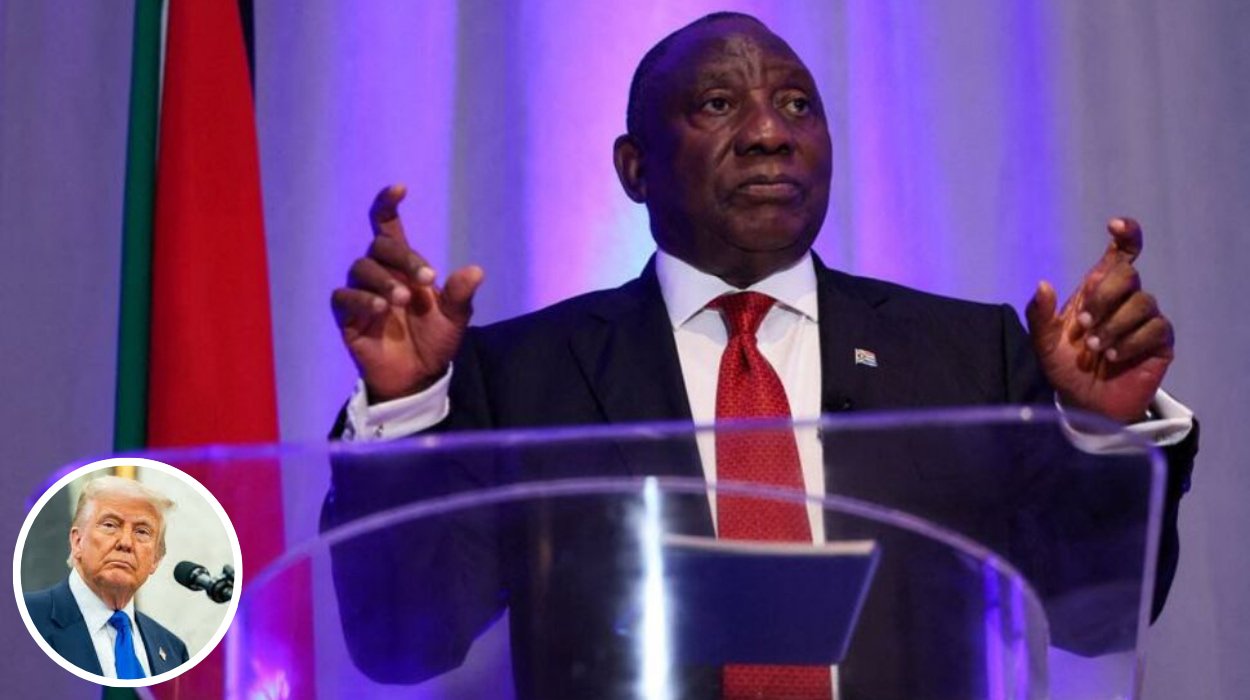
South African President Cyril Ramaphosa has voiced strong
opposition to U.S. President Donald Trump’s decision to impose a 30% tariff on
South Africa exports, a move that threatens to strain economic and diplomatic
ties between the two countries. The tariff, announced as part of a broader
extension of trade restrictions, has drawn criticism from South African
officials and business leaders, who warn of significant repercussions for the
nation’s economy.
Why Did President Trump Extend the 30% Tariff to South
Africa?
According to reporting by NBC News, President Trump extended
the tariff deadline as part of a series of measures aimed at protecting
American industries and addressing what the administration describes as unfair
trade practices by foreign nations. The 30% tariff, which was initially set to
expire, will now remain in effect, impacting a range of South African goods
exported to the United States. The White House has not provided detailed
justification for specifically targeting South Africa in this latest round of
tariff extensions.
As reported by NBC News, the tariff extension was announced
alongside other major policy updates, including responses to domestic crises
such as the Texas flooding disaster. The news of the tariff extension was
met with immediate concern from international observers and South African
officials, who have been closely monitoring U.S. trade policy shifts under the
Trump administration.
How Has President Ramaphosa Responded to the Tariff?
President Cyril Ramaphosa’s opposition to the tariff was
made clear in a public statement following the White House announcement. While
the exact wording of Ramaphosa’s remarks was not provided in the NBC News
coverage, sources indicate that he expressed deep concern over the economic
impact of the 30% tariff on South African industries and called for urgent
diplomatic engagement to resolve the dispute.
What Are the Potential Economic Impacts for South Africa?
South African officials and business leaders have warned
that the tariff could have far-reaching consequences for the country’s
export-driven sectors, potentially leading to job losses and reduced economic
growth. The United States is a major trading partner for South Africa, and the
imposition of a 30% tariff is expected to make South African goods less
competitive in the American market.
Are Other Countries Affected by the Tariff Extension?
NBC News reports that the tariff extension is part of a
broader policy shift affecting multiple countries, not just South Africa. The
move has sparked debate among international trade partners, with several
nations expressing concern about the potential for escalating trade tensions.
What Are the Prospects for Diplomatic Resolution?
South Africa’s government has indicated its intention to
seek a diplomatic resolution to the dispute, potentially through direct
negotiations with U.S. officials or via international trade bodies. There have
also been calls within South Africa for the government to consider retaliatory
measures if the tariff is not lifted.
How Does This Fit Into Trump’s Overall Trade Strategy?
President Trump’s administration has pursued an aggressive
trade policy, frequently using tariffs as a tool to pressure trading partners
and protect domestic industries. The extension of the 30% tariff on South
African goods is consistent with this approach, which has previously targeted
countries such as China, Mexico, and members of the European Union.
What Other Major Issues Are Shaping U.S. Policy Right Now?
The tariff extension comes at a time of significant domestic
and international challenges for the United States. As highlighted by NBC News,
the country is grappling with the aftermath of catastrophic flooding in Texas,
raising questions about government accountability and crisis response. These
overlapping crises have contributed to a tense political climate in Washington,
with trade policy serving as one of several contentious issues.
What Are the Next Steps for South Africa and the United
States?
As of the latest reporting, there has been no official
response from the U.S. Department of Commerce or the Office of the U.S. Trade
Representative regarding President Ramaphosa’s statement. The White House has
indicated that the tariff extension is final for now, but diplomatic channels
remain open for further discussion.
South Africa’s government is expected to continue lobbying
for the removal of the tariff, both through direct engagement with U.S.
officials and by appealing to international trade organizations. Business
leaders in South Africa have urged the government to prioritize the issue,
warning of significant economic consequences if the tariff remains in place.
Could the Tariff Lead to a Broader Trade Dispute?
The imposition of the 30% tariff has raised concerns about
the potential for a broader trade dispute between the United States and South
Africa. Analysts warn that if the issue is not resolved diplomatically, it
could lead to retaliatory measures and further strain relations between the two
countries.
What Are Experts Saying About the Situation?
While specific expert commentary was not included in the NBC
News report, the prevailing view among trade analysts is that tariffs of this
magnitude are likely to have significant economic and diplomatic repercussions.
The situation remains fluid, with both sides weighing their options as the
deadline for the tariff extension approaches.