
Key Points
- Vice
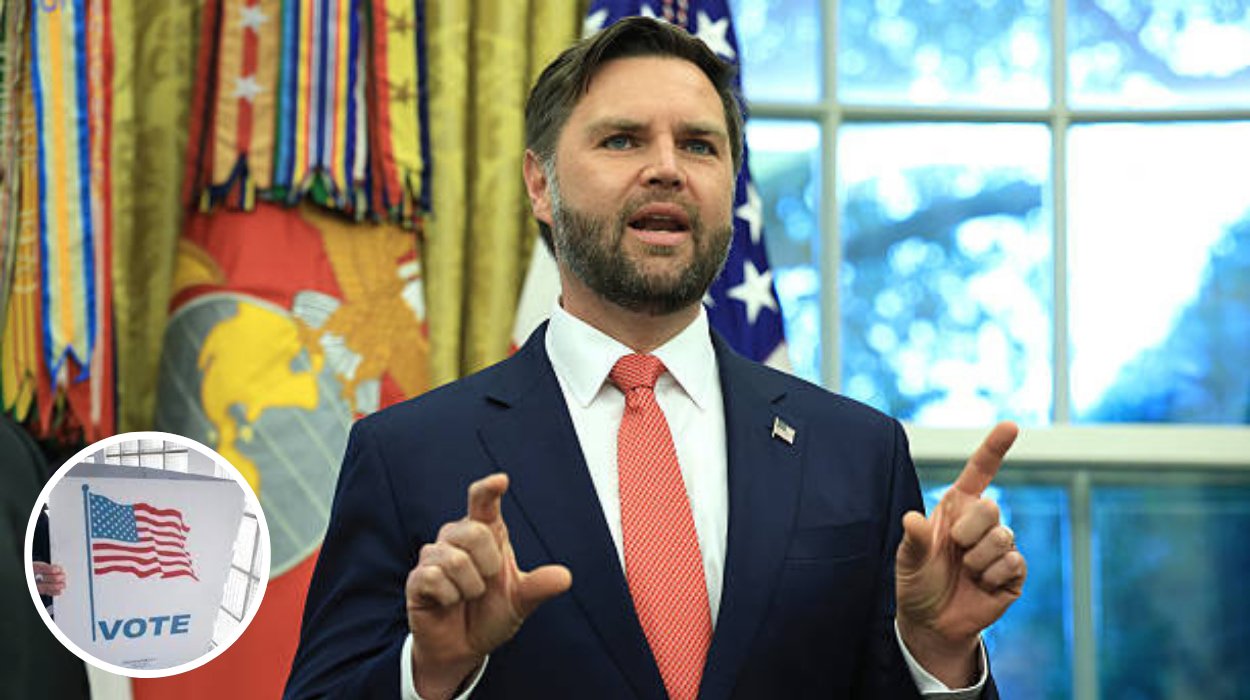
President JD Vance cast the tie-breaking vote in the Senate to
pass a budget bill that includes a one-year defunding of Planned
Parenthood. - Three
Republican senators—Thom Tillis, Susan Collins, and Rand Paul—joined all
Democrats in opposing the bill. - The
bill, dubbed the “Big Beautiful Bill,” originally sought to defund Planned
Parenthood for ten years, but the Senate parliamentarian ruled that
provision out of order, shortening the defunding period to one year. - The
measure now returns to the House of Representatives, which narrowly passed
its initial version in May; the House must approve the Senate’s changes
before the bill can become law. - Planned
Parenthood warns that nearly 200 health centers could close if
the funding cut becomes law, threatening access to essential health
services. - JD
Vance and Donald Trump have both publicly reaffirmed their commitment to
defunding Planned Parenthood if elected, making this a central
issue in the 2024 presidential campaign. - Pro-life
advocates, including Lila Rose of Live Action, praised the Senate vote but
called for a longer defunding period. - The
move has drawn sharp criticism from Democrats and reproductive rights
advocates, who argue it will deny millions of women access to basic health
care, including contraception and cancer screenings. - Vance
has described himself as “100% pro-life” and has supported national
abortion restrictions in the past. - The
defunding provision is part of a broader Republican agenda to restrict
abortion and reproductive health services, with significant implications
for the 2024 election.
The United States Senate has narrowly approved a sweeping
budget bill that includes a measure to strip federal funding from Planned
Parenthood, with Vice President JD Vance casting the deciding vote after three
Republican senators broke ranks and joined the opposition. The passage of the
bill marks a pivotal moment in the ongoing battle over reproductive rights in
America, setting the stage for a high-stakes showdown in the House of Representatives and intensifying the political debate ahead of the 2024 presidential
election.
What Led to the Senate’s Tie-Breaking Vote on Planned
Parenthood Funding?
As reported by The Catholic Herald, the Senate vote on the
so-called “Big Beautiful Bill” was deadlocked after three Republican
senators—Thom Tillis (North Carolina), Susan Collins (Maine), and Rand Paul
(Kentucky)—joined all Democrats in opposing the measure. The bill, a major
budget package backed by President Donald Trump, included a provision to defund
Planned Parenthood for one year.
Initially, Republican leaders had sought a ten-year
defunding period, but Senate Parliamentarian Elizabeth MacDonough ruled that
such a long-term measure violated budget reconciliation rules. This forced
Republicans to revise the bill, shortening the defunding window to one year.
With these changes, the parliamentarian allowed the provision to remain,
clearing the way for a final vote.
Vice President JD Vance, presiding over the Senate, cast the
decisive vote that broke the tie and secured passage of the bill. The
measure now returns to the House of Representatives, which must approve the
Senate’s amendments before it can become law.
What Are the Immediate Implications for Planned Parenthood?
According to The Catholic Herald, Planned Parenthood
responded to the Senate vote by warning that “almost 200 health care centres
could now close” if the funding cut is enacted. The organization
emphasized its commitment to continue fighting for patients’ access to care,
posting on Instagram: “Planned Parenthood will never stop fighting for your
care”.
The funding in question is nominally restricted from being
used for abortion services due to the Hyde Amendment, but critics argue that
federal support for Planned Parenthood subsidizes its operations, including
abortion by proxy. The potential loss of funding threatens a wide array of
health services provided by Planned Parenthood, including contraception, cancer
screenings, and general reproductive health care.
How Have Political Leaders and Advocacy Groups Reacted?
Pro-Life Advocates
Lila Rose, president of Live Action, a leading pro-life
organization, described the Senate vote as “a start but not enough,” urging the
House to restore the original ten-year defunding period. “No more tax dollars
for orgs that kill babies and sterilise teens,” Rose stated, according to The
Catholic Herald.
Planned Parenthood and Reproductive Rights Advocates
Planned Parenthood, in its public statements, has
highlighted the risk to essential health services for millions of women and
low-income patients, vowing to resist the funding cuts. As reported by
AOL, critics argue that the move will “deny millions of women basic health
care, including birth control and cancer screenings”.
Democratic Response
Democratic National Committee spokesperson Aida Ross issued
a statement condemning the Trump-Vance agenda. As reported by the DNC, Ross
said,
“Women are dying preventable deaths because Donald Trump overturned Roe
v. Wade, and JD Vance made clear he and Trump would further rip away access to
reproductive health care by defunding Planned Parenthood”.
Emma O’Brien, press secretary for the Democratic Governors
Association, added,
“JD Vance and Donald Trump are taking cues from Kelly
Ayotte’s losing playbook: attacking reproductive freedom and threatening to gut
funding for potentially lifesaving health care that women and families rely on”.
What Is JD Vance’s Record and Position on Abortion?
NBC News’ Adam Edelman reports that JD Vance, Donald Trump’s
vice presidential nominee, has consistently described himself as “100%
pro-life” and has aligned his views increasingly with Trump’s over time. Vance
has supported national abortion restrictions in the past, including a bill to
criminalize abortions after 15 weeks of gestation, with exceptions for rape,
incest, or to save the mother’s life.
While Vance has recently emphasized the importance of
letting states set their own abortion policies, his voting record and public
statements reflect a strong opposition to measures protecting reproductive
rights. In a statement to NBC News, Vance said,
“Our view is we don’t
think that taxpayers should fund late term abortions. That has been a
consistent view of the Trump campaign the first time around, it will remain a
consistent view”.
In a 2022 podcast interview cited by CNN and the DNC, Vance
said, “I certainly would like abortion to be illegal nationally” and expressed
sympathy for a national ban to prevent women from traveling across state lines
for abortion services.
How Does This Fit Into Trump and the GOP’s Broader Agenda?
As reported by The Hill and NBC News, Vance has indicated
that a second Trump administration would seek to defund Planned Parenthood if
it continues to provide abortion services. Trump himself has taken credit
for overturning Roe v. Wade, stating,
“We broke Roe v. Wade and we did
something that nobody thought was possible. We gave it back to the states, and
the states are working very brilliantly … But they’re working, and it’s working
the way it’s supposed to”.
The defunding of Planned Parenthood is part of a broader
Republican strategy to restrict abortion and reproductive health services
nationwide. Project 2025, a policy blueprint backed by Trump and his allies,
aims to further limit access to abortion, contraception, and even IVF,
according to reporting from Rolling Stone and Axios.
What Happens Next?
The budget bill, including the one-year Planned Parenthood
defunding provision, now returns to the House of Representatives for approval
of the Senate’s changes. The House had previously passed its version of
the bill by a single vote, with every Democrat and two Republicans opposed. If
House leaders cannot secure enough votes for the Senate-amended bill, the
measure may be sent to a joint conference committee for resolution.
The outcome will have significant ramifications for
reproductive health care access across the United States, and the issue is
expected to play a major role in the 2024 presidential and congressional
elections.
What Are the Broader Implications for Reproductive Rights in
America?
The Senate’s vote to defund Planned Parenthood underscores
the deep divisions over reproductive rights in the United States. As NBC News notes, abortion remains a critical issue for voters, and recent shifts within
the Republican Party have moved the debate from calls for a national ban to a
focus on empowering states to set their own policies. However, the
persistent efforts to restrict funding for Planned Parenthood and other
reproductive health providers signal that the fight over abortion access is far
from over.
With the 2024 election looming, the fate of Planned
Parenthood’s federal funding—and the broader landscape of reproductive
rights—hangs in the balance. Both sides are mobilizing supporters, and the
outcome of the House vote and the election itself will determine the future of
reproductive health care for millions of Americans.