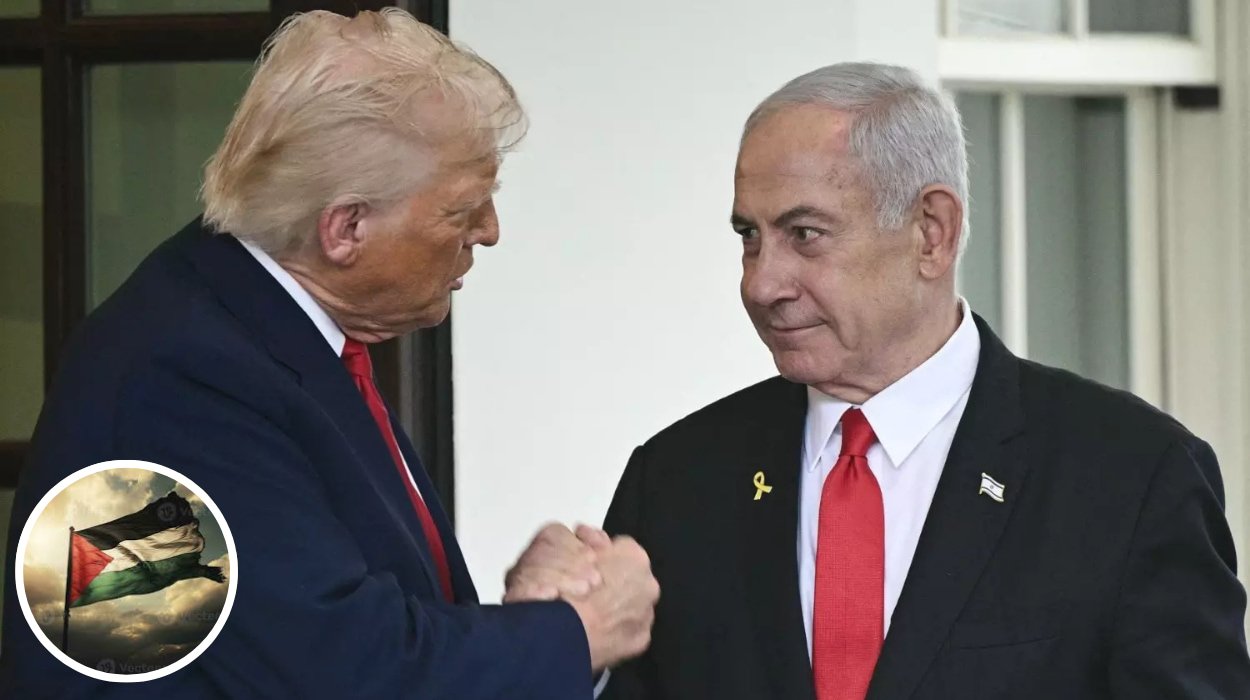

Key Points
- Israeli
Prime Minister Benjamin Netanyahu is scheduled to visit the White House
amid increasing international pressure for a truce in the Gaza conflict. - The
visit comes as humanitarian concerns escalate due to ongoing violence in
Gaza and Israel. - U.S.
President is actively involved in efforts to bring humanitarian aid into
the region and secure the release of hostages held in Gaza. - The
U.S. administration has successfully facilitated the return of American
hostages from Gaza. - The
broader geopolitical context includes heightened tensions and security
concerns in the Middle East. - The
visit aims to reinforce U.S.-Israel relations and discuss strategies for
de-escalation and peace. - The
humanitarian crisis in Gaza remains a priority for the international
community, with calls for urgent ceasefire measures.
Israeli Prime Minister Benjamin Netanyahu’s upcoming visit to the White House marks a pivotal moment in the ongoing Gaza conflict. As international pressure intensifies for a ceasefire, this high-profile meeting underscores the critical role of U.S.-Israel diplomacy in addressing both humanitarian concerns and security challenges. The discussions are expected to focus on strategies to halt violence, facilitate aid delivery, and secure the release of hostages, reflecting the complex and urgent nature of the crisis.
What Is the Purpose of Netanyahu’s Visit to the White House?
Israeli Prime Minister Benjamin Netanyahu is set to visit
the White House as pressure mounts globally to establish a truce in the ongoing
Gaza conflict. This visit is a critical diplomatic move amid escalating
violence and humanitarian concerns in the region. The White House aims to
engage Netanyahu in discussions that could lead to a ceasefire and the easing
of hostilities, reflecting the urgency felt by international actors to halt the
bloodshed and facilitate aid delivery.
How Is the U.S. President Involved in the Gaza Conflict?
According to a report by SBS News on July 1, 2025, the U.S.
President has taken a proactive role in addressing the crisis. The President’s
administration has been instrumental in bringing humanitarian aid into Gaza and
Israel, emphasizing a desire to save lives amid the war. Moreover, the
President has prioritized the safe return of hostages held in Gaza,
successfully securing the release of all American hostages so far. This dual
focus on humanitarian relief and hostage recovery underscores the complexity of
the U.S. approach to the conflict.
What Are the Humanitarian Concerns Driving International
Pressure?
The images emerging from both Israel and Gaza have been
described as heartbreaking, highlighting the severe human toll of the conflict.
Humanitarian organizations and international leaders are calling for immediate
action to prevent further civilian casualties. The ongoing violence has created
a dire need for aid delivery, medical assistance, and protection of
non-combatants. This mounting pressure is a key factor behind Netanyahu’s
scheduled discussions in Washington, as the global community seeks to balance
security concerns with urgent humanitarian needs.
What Has Been the Impact of the Conflict on Hostages?
The hostage situation in Gaza has been a focal point of
international concern. The U.S. administration’s efforts, as reported by SBS
News, have led to the release of all American hostages held in Gaza, a
significant diplomatic achievement. The President continues to work tirelessly
to bring home all remaining hostages, signaling that this issue remains a top
priority alongside broader conflict resolution efforts.
How Does Netanyahu’s Visit Fit into Broader U.S.-Israel
Relations?
Netanyahu’s visit to the White House is not only about the
immediate Gaza crisis but also reflects the enduring strategic partnership
between the United States and Israel. The visit provides an opportunity for
both leaders to reaffirm their alliance, discuss security cooperation, and
coordinate responses to regional threats. Given the complex geopolitical
dynamics in the Middle East, this meeting is expected to cover a wide range of
issues beyond the Gaza conflict, including counterterrorism and regional stability.
What Are the Security Concerns in the Region Amid the
Conflict?
While the Gaza situation dominates headlines, other security
issues persist in the region. For example, recent reports from Geo News
highlight a targeted terror attack on security forces, resulting in casualties
and heightened alertness among authorities. Such incidents contribute to the
tense security environment in which diplomatic efforts like Netanyahu’s visit
take place.
What Are the Next Steps Following Netanyahu’s Visit?
The outcome of Netanyahu’s White House visit will likely
influence the trajectory of the Gaza conflict. Diplomatic efforts are expected
to focus on negotiating a ceasefire, increasing humanitarian access, and
addressing the hostage crisis. The U.S. administration’s ongoing engagement
suggests a commitment to facilitating dialogue and supporting peace
initiatives. However, the situation remains fluid, with developments dependent
on negotiations and responses from all parties involved.