
Summary
- Flash
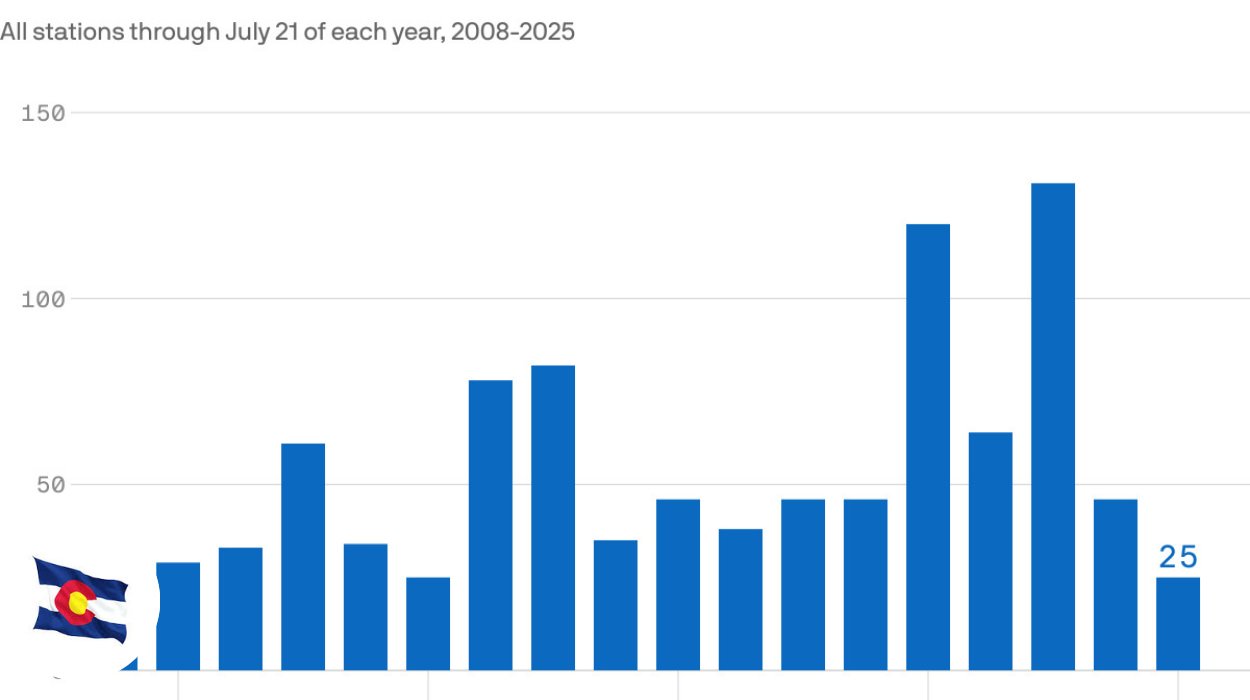
flood warnings in Colorado have reached their lowest level in 17 years. - The
significant drop in warnings reflects changes in weather patterns and
improved forecasting. - This
trend may affect emergency preparedness and water resource management in
the region. - The
news highlights important national and regional environmental conditions
and their implications.
The recent decline in flash flood warnings in Colorado marks a significant milestone in the state’s weather and emergency management history. As flash floods have long posed serious threats to life, property, and infrastructure in the region, this 17-year low signals notable changes in weather patterns, forecasting accuracy, and possibly broader climatic trends. Understanding the causes and implications of this development is essential for residents, officials, and environmental experts as they navigate the challenges of preparedness, resource management, and climate adaptation in the years ahead.
What Happened with Flash Flood Warnings in Colorado?
Flash flood warnings in Colorado have plummeted to their
lowest point in 17 years, marking a significant change in the state’s weather
and emergency alert patterns. According to recent meteorological data and
reports, this downward trend is notable given the past frequency of such severe
weather events in Colorado.
This drop in flash flood warnings is a major event in the
state’s environmental and emergency management history. Historically prone to
flash flooding due to its topography and climate, Colorado’s recent statistics
mark a positive shift, indicating fewer immediate threats from flash floods.
Why Have Flash Flood Warnings Decreased So Significantly?
According to meteorological experts, the reduction in flash
flood warnings is attributed to a combination of factors including more stable
weather patterns, improved forecasting technology, and possibly changes in
regional climatic conditions. Advances in weather modeling and satellite
monitoring have enabled agencies to predict and mitigate flood risks more
effectively, contributing to fewer emergency warnings.
This improvement reflects broader climate and meteorological
shifts that scientists are closely monitoring. The integration of advanced data
analytics and artificial intelligence in weather prediction has enhanced the
accuracy of flood risk assessments, potentially allowing for earlier and more
precise interventions.
How Does This Impact Colorado Communities and Emergency
Management?
The sharp decline in flash flood warnings could have several
implications for communities and emergency response teams in Colorado.
On one hand, fewer warnings may mean reduced emergency
alerts and less public disruption from false alarms or minor flooding events.
However, experts caution that emergency preparedness should remain a priority,
as extreme weather events can still occur unpredictably.
Improved forecasting and a reduction in warnings assist
local authorities in better allocating resources, managing water
infrastructure, and planning for sustainable development, particularly in
flood-prone areas. However, the situation also requires vigilance to avoid
complacency among residents and officials.
What Does This Mean for Water Resource and Environmental
Management?
Flash floods are not only immediate safety hazards but also
affect water resource management, soil erosion control, and ecological balance.
A decrease in flash flood warnings suggests changes in
rainfall patterns and runoff behavior, which may influence river flows and
groundwater recharge rates. Water management authorities will need to adapt
their strategies in line with these evolving conditions to ensure sustainable
use of water resources and prevent future crises.
Environmental agencies are also tasked with monitoring the
long-term effects of these shifts to safeguard Colorado’s ecosystems and
maintain the health of its watersheds.
Are Other Regions Experiencing Similar Trends?
While this report focuses on Colorado, it fits within a
larger national and possibly global context where weather and climate dynamics
are changing rapidly.
Various states and regions are witnessing fluctuating
patterns of extreme weather events, from floods to droughts, influenced by
global climate change and regional environmental factors. Authorities in
different parts of the country are adopting enhanced monitoring systems to
respond appropriately to these changes.
As reported by Geo News on July 21, 2025, the United States
has shown renewed cooperation with Pakistan for development programs, including
those related to health and economic development—highlighting a broad
acknowledgment of environmental and humanitarian challenges worldwide.
What Are Experts Saying About the Future of Flash
Flooding in Colorado?
Meteorologists and environmental scientists emphasize a
cautious optimism. The current decline in flash flood warnings is encouraging
but does not eliminate the risks posed by sudden weather extremes. They stress
the importance of ongoing investment in forecasting technologies and public
education.
According to their analysis, climate variability remains a
concern, and maintaining robust emergency systems is crucial to protect lives
and property. Continued research is necessary to understand how climate change
might influence future flood risks over the coming decades.
How Are Citizens and Local Governments Reacting?
Local governments are updating their emergency plans to
reflect the new data while continuing public awareness campaigns on flood
safety. Residents are encouraged not to become complacent despite the lower
frequency of warnings.
Some communities have expressed relief at fewer alerts, but
officials stress the importance of preparedness, especially during the monsoon
and rainy seasons. Lessons from past floods remain relevant, and adaptive
strategies are being incorporated into urban planning and infrastructure
projects to mitigate risk.
What Lessons Can Other Regions Learn from Colorado’s
Experience?
Colorado’s experience demonstrates the value of integrating
modern technology with traditional emergency management practices. It offers a
model for other flood-prone areas to enhance forecasting accuracy and community
preparedness.
The balance between reducing unnecessary alerts and ensuring
timely warnings is delicate, and Colorado’s approach provides insights into how
this can be achieved effectively. The state’s focus on data-driven decisions
coupled with public cooperation can serve as a blueprint for resilience against
flash floods and other natural disasters.
This remarkable drop in flash flood warnings in Colorado
after 17 years signifies a hopeful development in the state’s weather-related
emergency management. It underscores the importance of technological
advancements, environmental monitoring, and community engagement in adapting to
changing climate conditions.
As climate patterns continue to evolve, ongoing vigilance
and innovation in forecasting and preparedness remain essential to ensure
safety and sustainability for Colorado’s residents and natural environment.