
Key Points
- Arizona
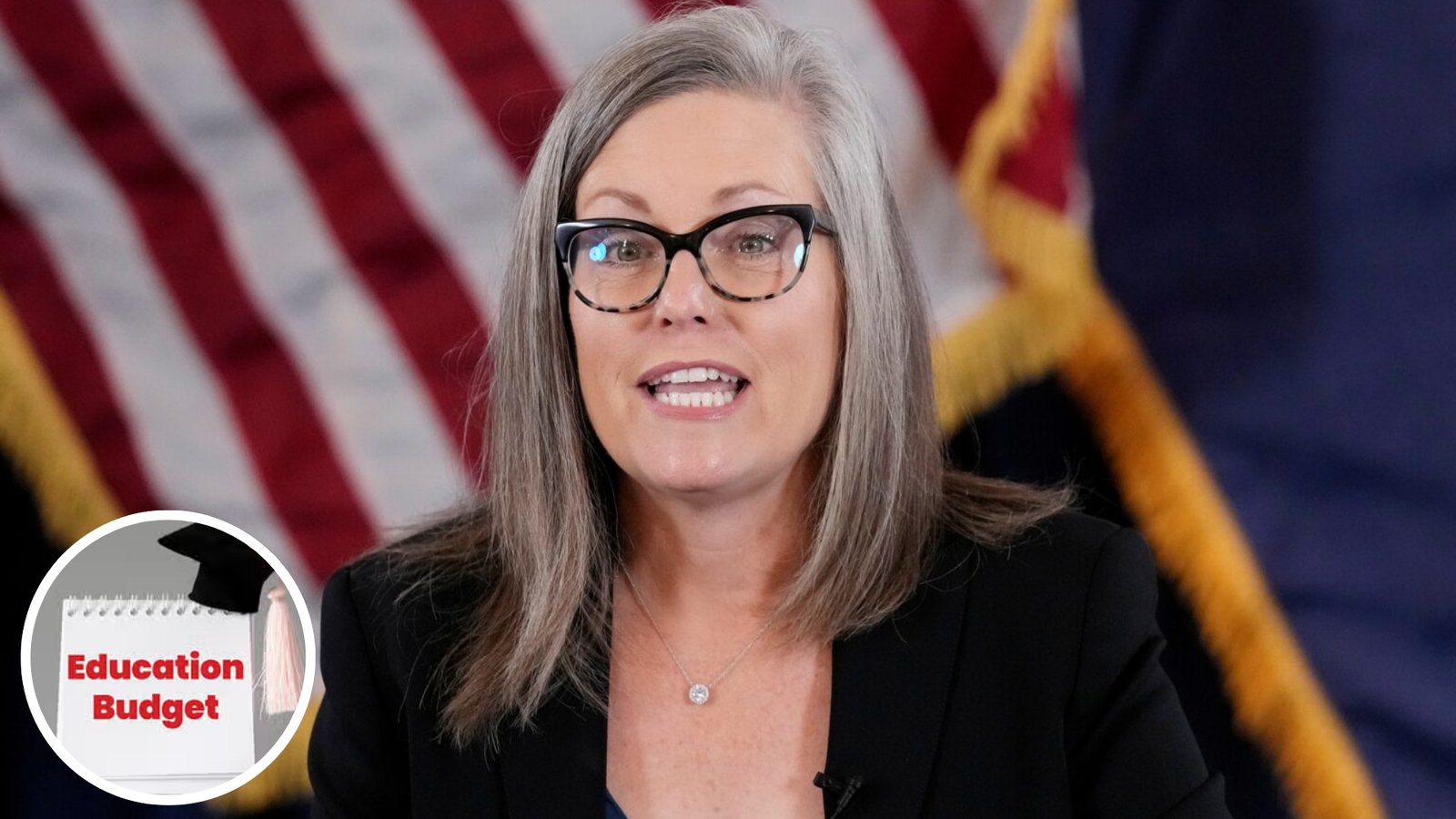
Governor signs the state education budget, setting new funding and policy
directions for schools. - The
U.S. Supreme Court issues a ruling with direct implications for Arizona’s
education system. - The
budget and ruling together affect funding allocation, school choice, and
legal compliance for Arizona schools. - Reactions
from state officials, educators, and advocacy groups highlight both
support and concern. - Broader
national context includes ongoing debates over education funding, school
choice, and court involvement in state education policy. - The
developments come as part of a larger wave of education-related
legislative and judicial activity across the United States.
Arizona’s education system faces a pivotal moment as
Governor signs the new state education budget, coinciding with a landmark U.S.
Supreme Court decision that will reshape how schools operate and are funded.
The convergence of legislative and judicial actions is expected to have
sweeping consequences for students, educators, and policymakers throughout the
state.
What Are the Details of Arizona’s Newly Signed Education
Budget?
The Arizona state government has officially enacted its
education budget for the coming fiscal year, marking a significant milestone in
the state’s ongoing efforts to address funding and policy needs in public
education. As reported by multiple sources, the budget outlines allocations for
K-12 schools, higher education, and special programs, reflecting both
legislative priorities and the realities of state revenue projections.
The budget includes increased funding for teacher salaries,
infrastructure improvements, and targeted support for underperforming schools.
Lawmakers also set aside resources for school safety initiatives and technology
upgrades, responding to calls from educators and parents for modernized
learning environments.
How Does the Supreme Court Ruling Impact Arizona Schools?
On the same day as the budget signing, the U.S. Supreme
Court issued a decision that directly affects Arizona’s education landscape.
According to coverage by NPR and other outlets, the ruling addresses the
constitutionality of certain state education policies, particularly those
related to school choice and the allocation of public funds to private and
charter schools.
Legal analysts note that the decision clarifies the extent
to which states can direct taxpayer money toward non-traditional educational
institutions. For Arizona, this means that some existing programs may need to
be revised to ensure compliance with federal law, while others could see
expanded opportunities for growth.
What Are the Reactions from Arizona Officials and
Stakeholders?
State leaders have offered a range of responses to the
budget and Supreme Court ruling. Supporters, including several Republican
legislators, argue that the budget demonstrates a commitment to improving
education outcomes while maintaining fiscal responsibility. They point to
increased funding for teacher pay and school facilities as evidence of
progress.
However, critics—among them Democratic lawmakers and
education advocacy groups—express concern that the budget does not go far
enough to address systemic inequities. Some warn that the Supreme Court’s
decision could divert resources away from traditional public schools,
exacerbating disparities in educational access and quality.
As reported by Democracy Now!, public health and education
advocates have also weighed in, with some medical professionals warning that
cuts to health agencies and Medicaid in the broader state spending plan could
have negative consequences for student well-being.
How Does This Fit into the National Context?
Arizona’s developments are part of a larger national
conversation about education funding, school choice, and the role of the courts
in shaping policy. Across the United States, states are grappling with similar
issues, as legislatures and courts debate the appropriate balance between
public and private education, the allocation of limited resources, and the
protection of students’ rights.
The Supreme Court’s involvement underscores the high stakes
of these debates, as its rulings set precedents that influence state policy far
beyond Arizona’s borders. As noted by NPR, not all Republican lawmakers at the
federal level are aligned on budget priorities, reflecting broader divisions
within the party and the country over how best to support schools and students.
What Are the Next Steps for Arizona Schools?
In the wake of the budget signing and Supreme Court ruling,
Arizona education officials are working to implement the new policies and
ensure compliance with federal law. This process will involve reviewing
existing programs, making necessary adjustments, and communicating changes to
school administrators, teachers, and families.
Advocacy groups and watchdog organizations have pledged to monitor the implementation closely, holding state leaders accountable for
delivering on promises of improved funding and equity. The coming months will
be critical as schools prepare for the new academic year under the revised
legal and financial framework.
What Challenges and Opportunities Lie Ahead?
While the budget and court decision present
challenges—particularly for traditional public schools facing competition for
resources—they also create opportunities for innovation and reform. Proponents
of school choice argue that increased flexibility can lead to better outcomes
for students, while critics caution that careful oversight is needed to prevent
unintended consequences.
The debate is likely to continue as stakeholders assess the
impact of these changes on student achievement, teacher retention, and overall
educational quality. Arizona’s experience may serve as a bellwether for other
states navigating similar issues in the evolving landscape of American
education.
As Arizona schools adapt to a new era shaped by legislative
and judicial action, the eyes of the nation remain fixed on the state’s
progress, challenges, and the lessons it may offer for education policy across
the country.