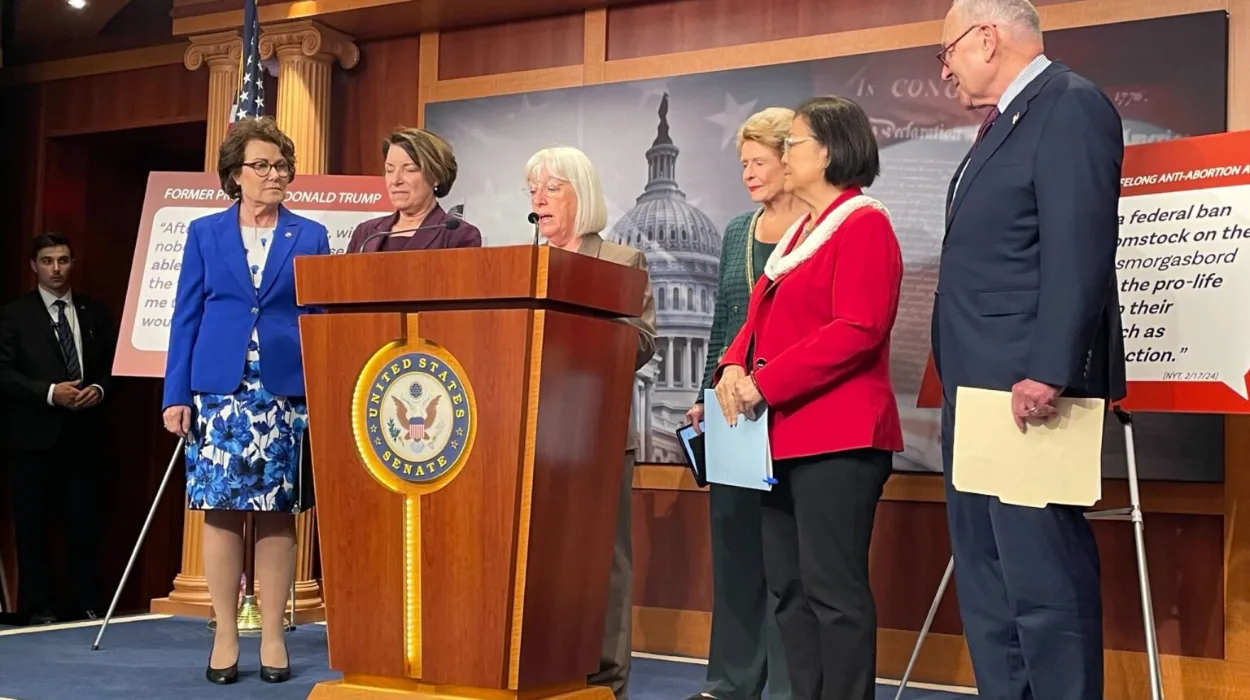

The United States Senate, as one of the two chambers of
Congress, has a significant role in shaping national policy and governance.
While historically dominated by men, the Senate has seen a gradual increase in
female representation over the years. This article explores the history of
women in the U.S. Senate, highlighting key milestones, notable female senators,
and the ongoing challenges and achievements of women in this prestigious
legislative body.
A Brief History of Women in the Senate
Early Representation
The journey of women in the U.S. Senate began with Rebecca
Latimer Felton, who made history in 1922 as the first female senator. Felton
served for just one day, representing Georgia in a symbolic gesture. It wasn’t
until 1931 that Hattie Caraway became the first woman elected to the Senate,
serving Arkansas. Caraway initially filled a vacancy caused by her husband’s
death and later won two full terms, paving the way for future female senators.
The Slow Progression
For many years, the Senate’s membership remained
predominantly male. It wasn’t until the 1990s that significant changes began to
occur. The “Year of the Woman” in 1992 saw a surge in female
representation, with Barbara Mikulski being re-elected and four new women
senators elected: Patty Murray, Carol Moseley Braun, Dianne Feinstein, and
Barbara Boxer. This marked a turning point in the Senate’s history, as it began
to reflect a more diverse and representative body.
Breaking Barriers
Throughout the years, women have continued to break barriers
in the Senate. Margaret Chase Smith, who served from 1949 to 1973, was the
first woman to serve in both the House and the Senate. In 1978, Nancy Kassebaum
became the first woman elected to a full Senate term without any family
connections in politics. The trend of women entering the Senate continued, with
notable figures such as Hillary Clinton, who served from 2001 to 2009, and
became the first female senator from New York.
Current Female Senators
As of January 2025, 26 women are serving in the U.S. Senate,
the highest number in history. This includes 16 Democrats and 10 Republicans.
The current female senators represent a diverse array of backgrounds and
experiences, contributing to a more inclusive legislative process. Some notable
current female senators include:
- Patty
Murray (D-WA): Serving since 1993, she is the longest-serving female
senator and has been a strong advocate for education and healthcare. - Dianne
Feinstein (D-CA): A prominent figure in California politics, Feinstein has
served since 1992 and has been influential in various legislative areas,
including gun control and national security. - Kamala
Harris (D-CA): Elected in 2017, Harris made history as the first female
vice president of the United States and the first woman of South Asian and
African American descent to hold the office.
Milestones and Achievements
The history of women in the Senate is marked by several
significant milestones that highlight their progress and contributions to
American politics. Rebecca Latimer Felton made history as the first female
senator, serving for just one day in 1922. Following her, Hattie Caraway became
the first woman elected to the Senate in 1931, paving the way for future female
leaders. Margaret Chase Smith broke new ground as the first woman to serve in
both the House of Representatives and the Senate, demonstrating her versatility
and commitment to public service. Additionally, Nancy Kassebaum achieved a
notable milestone in 1978 by becoming the first
woman elected to the Senate without any family connections in politics,
further emphasizing the growing acceptance of women in leadership roles within
the legislative branch.
Legislative Impact
Women in the Senate have made substantial contributions to
legislation affecting various aspects of American life. They have been at the
forefront of issues such as healthcare reform, education, women’s rights, and
national security. Their unique perspectives and experiences have enriched the
legislative process and led to more comprehensive policies.
Challenges Faced by Female Senators
Despite the progress made, female senators continue to
encounter significant challenges within a historically male-dominated
institution. One of the primary issues is gender bias, which can adversely
affect their credibility and authority. This bias often manifests in various
ways, including media coverage that may focus more on their appearance than
their qualifications, as well as interactions with colleagues that may
undermine their contributions. Additionally, female senators frequently face
the challenge of balancing the demands of public office with family
responsibilities, which can be particularly difficult in a high-pressure
environment. While the number of women in the Senate has increased, they still
constitute a minority in a body of 100 senators. This underrepresentation can
limit the diversity of perspectives in legislative discussions, making it
essential to continue advocating for greater inclusion and support for women in
political leadership roles.
The Future of Women in the Senate
Increasing Representation
The trend of increasing female representation in the Senate
is expected to continue. With more women running for office and winning
elections, the Senate is gradually becoming a more inclusive space. The success
of female candidates in recent elections demonstrates a growing acceptance of
women in leadership roles.
Ongoing Advocacy
Female senators are not only focused on their legislative
duties but also on advocating for the next generation of women leaders.
Initiatives aimed at encouraging young women to pursue careers in politics and
public service are essential for sustaining this momentum. Programs that
provide mentorship and support for aspiring female politicians can help bridge
the gap and ensure that women’s voices are heard in the political arena.
The history of women in
the United States Senate is a testament to the resilience and determination
of female leaders who have fought for representation and equality. From the
first female senator, Rebecca Latimer Felton, to the current cohort of 26
women, each has contributed to shaping the legislative landscape of the nation.
As the Senate continues to evolve, the ongoing efforts to increase female
representation and address the challenges faced by women in politics will be
crucial for fostering a more inclusive and equitable government.