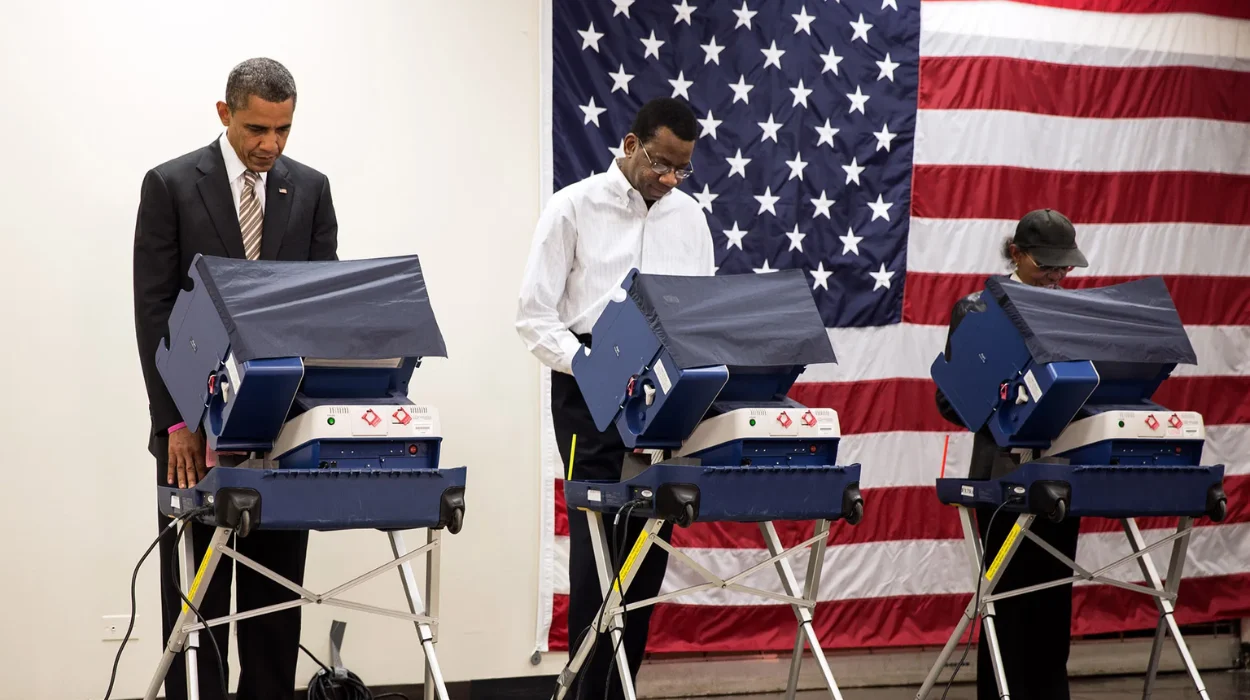

The 2012 United States Senate elections were a critical moment in
American political history, involving 33 Senate seats being contested across
the country. Taking place alongside the presidential election and other key
federal and state races, these elections shaped the composition and balance of
power in the 113th Congress.
Introduction: The Context of the 2012 Senate
Elections
The 2012 Senate elections occurred during a politically charged
atmosphere marked by heightened partisanship and voter engagement. With 33
Class 1 Senate seats up for grabs, the contest involved a majority of seats
held by the Democratic Party, which had 21 seats to defend, alongside
Republicans defending 10 seats, and two independent senators also standing for
election. The elections coincided with President Barack Obama’s re-election
campaign, adding further attention and intensity to the political contests.
These elections were notable for several reasons: the Democrats
faced the challenge of defending a larger number of seats while striving to
maintain control of the Senate; key battleground states attracted national
attention; and the results influenced legislative agendas and power dynamics in
Washington, DC for years to come.
Electoral Landscape and Key Races
The 2012 Senate election cycle featured a broad spectrum of
competitive races across the United States, reflecting the diverse political
landscape. In Massachusetts, Democrat Elizabeth Warren challenged the incumbent
Republican Senator Scott Brown in a highly contested race. Warren’s victory was
especially symbolic as it marked a significant gain for Democrats and
highlighted a surge of progressive energy nationwide. In Indiana, the open seat
created by Senator Richard Lugar’s primary defeat became a pivotal contest,
with Democrat Joe Donnelly narrowly winning the general election. This race
attracted substantial attention as a bellwether in what was traditionally a
conservative state. Meanwhile, in Connecticut, the retirement of Independent
Democrat Joe Lieberman opened a seat captured by Democrat Chris Murphy, ensuring
the seat remained in Democratic hands.
Beyond these key states, Democrats successfully defended several
open seats in Hawaii, New Mexico, North Dakota, Virginia, and Wisconsin,
reinforcing their Senate majority. On the Republican side, they held onto
important seats in Arizona and Texas and gained an open seat in Nebraska,
preserving their core Republican strongholds. These results underscored the
national trends of shifting political allegiances and highlighted the
importance of strategic campaigning in diverse regional contexts.
National Trends and Voter Turnout
The 2012 elections saw a strong voter turnout driven by the
presidential election, with Barack Obama’s re-election energizing the
Democratic base. The overall voter participation benefited Democratic Senate
candidates, who capitalized on this momentum to make gains.
The Republicans faced the difficulty of defending fewer seats, but
many were in more competitive or conservative-leaning states. The split between
urban and rural voters, economic concerns, and evolving party coalitions all
played a role in influencing outcomes across states.
Election Results and Changes in Senate Composition
The Democrats netted a gain of two Senate seats, increasing their
total from 51 to 53 seats, while the Republicans saw their total decrease from
47 to 45 seats. Independent senators maintained two seats but caucused with the
Democrats, effectively bolstering their majority caucus to 55.
Democrats captured Republican-held seats in Massachusetts and
Indiana, as well as a seat previously held by an independent Democrat in
Connecticut. They also successfully defended several open seats, maintaining a
strong presence nationwide.
Historical Significance and Impact
The 2012 election marked several significant milestones in
American politics. It was the first time since 1936 that a two-term Democratic
presidential candidate Barack Obama had coattails in the Senate elections on
both occasions. Although previous Democratic presidents like Franklin Roosevelt
had seen Senate seat losses in their re-elections, the 2012 cycle bucked that
trend by yielding gains for Democrats. The election also demonstrated
Democratic resilience, as the party successfully defended a challenging
majority by winning races across diverse states and regions.
Notably, the 2012 cycle was the last, as of 2025, in which an
incumbent senator lost renomination in a primary. This occurred in Indiana,
where six-term Republican Senator Richard Lugar was defeated by a Tea Party-backed challenger,
Richard Mourdock. Lugar’s primary loss highlighted the growing intra-party
tensions and the influence of conservative insurgents within the Republican
Party.
Furthermore, the 2012 elections represent the last time Democrats
won Senate seats in several key states including Florida, Missouri, Indiana,
and North Dakota signaling a shift in partisan alignments in these regions in
subsequent elections. This election cycle thus stands as a pivotal moment
reflecting changing political dynamics and emerging trends in American Senate
races.
Aftermath and Legacy
The Democratic majority resulting from the 2012 election allowed
them to influence the Senate’s legislative agenda during President Obama’s
second term. Control over key committees and the ability to confirm judicial
appointments were critical components of their power.
The elections also exposed ongoing political divides,
foreshadowing intense battles in subsequent election cycles. The changes in
Senate composition impacted negotiations on issues from healthcare reform to
judicial confirmations, shaping policy directions in the years that followed.
The 2012 United States Senate
elections were a defining moment
that reaffirmed Democratic control of the Senate amid a highly polarized
political environment. Key victories in competitive states, combined with
strategic defense of open seats, underscored the party’s electoral strength
during this cycle. The elections’ outcomes not only influenced legislative
priorities but also reflected shifting political landscapes that continue to
affect American politics today.