
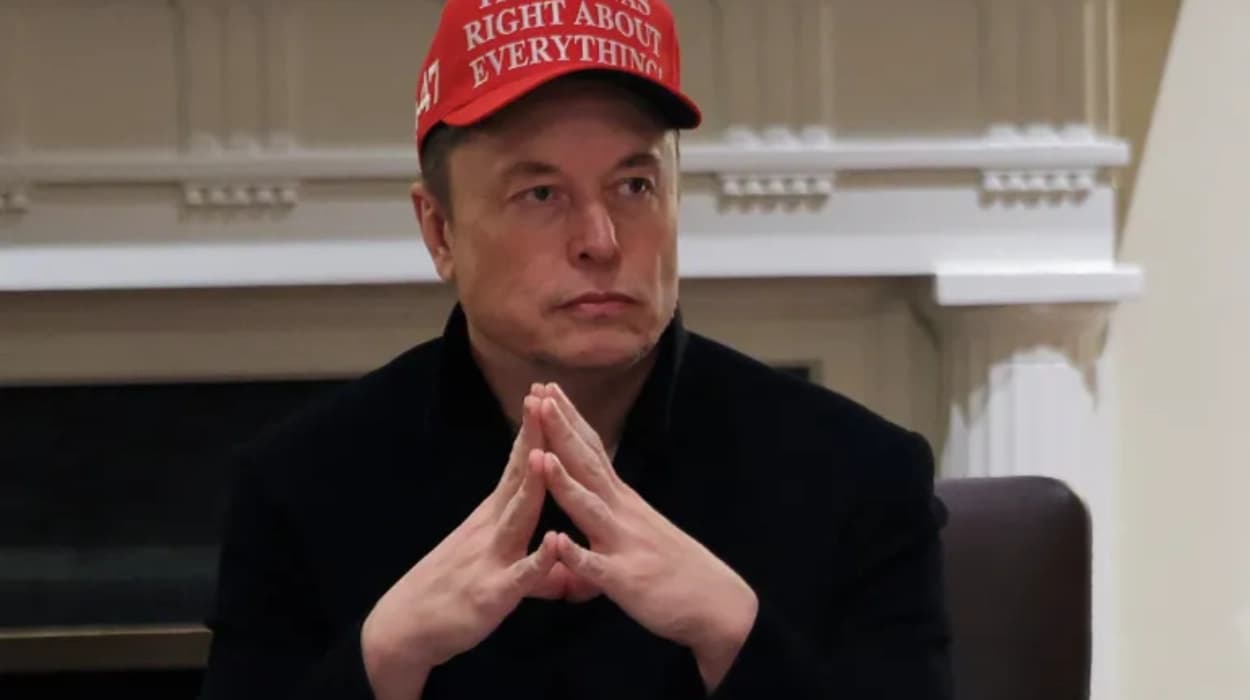
Elon Musk’s departure from the Trump administration marked the conclusion of a high-profile yet turbulent attempt to reform government operations from within. Appointed as the head of the Department of Government Efficiency (DOGE) with the legal status of a "special government employee," Musk was charged with an ambitious mission: to cut wasteful federal spending and streamline the sprawling U.S. government workforce.
Elon Musk’s Role and Mission in DOGE
Musk joined the administration with a mandate to overhaul federal efficiency, aiming to sharply reduce government bureaucracy. Under his guidance, DOGE pursued aggressive downsizing strategies, with approximately 260,000 civilian federal jobs cut from the federal workforce of about 2.3 million. This movement was driven by buyouts, early retirements, and terminations, intending to curb excess spending and improve government functionality.
His appointment was constrained to 130 days per year in government service, a limit he was approaching by late May 2025. Yet, Musk’s departure was influenced by more than just regulatory limits policy disagreements with President Trump and growing frustration with governmental inertia also played significant roles.
Policy Disagreements and Public Discontent
The major catalyst for Musk’s exit was his stark disagreement with the Trump administration’s fiscal strategy, especially regarding the president’s highly publicized "big, beautiful bill." This legislative package featured extensive tax cuts coupled with substantial increases in defense spending. Musk openly criticized the bill for expanding the federal deficit, an outcome directly contradicting DOGE’s cost-cutting efforts.
In public and private remarks, Musk denounced the budget, saying it would undermine the hard-fought efficiency progress his team made. He lamented the federal bureaucracy’s condition as worse than expected and acknowledged the daunting complexities involved in reforming entrenched government systems.
Frustrations Within the Administration
Musk’s time at DOGE was marked not only by public policy disputes but also by personal clashes with several Trump cabinet members and White House officials. His outspoken nature and reform-driven zeal at times created tension within the administration. For example, Musk reportedly disagreed with White House economic advisor Peter Navarro on trade issues and voiced concerns regarding decisions like the Abu Dhabi-OpenAI deal, reflecting divergent interests and priorities.
Moreover, his judicial candidate’s electoral defeat, despite significant financial backing, further added to Musk’s disillusionment with the political process.
Impact on Musk’s Business Interests
During Musk’s government tenure, his private companies, particularly Tesla, faced multiple challenges. Tesla sales plunged by 13%, and the company’s stock price dropped significantly before a partial rebound. This economic strain was exacerbated by growing political backlash against Musk’s dual role as a government advisor and business leader. Tesla dealerships experienced protests and vandalism, prompting law enforcement agencies to treat some attacks as acts of domestic terrorism.
Acknowledging these pressures, Musk announced he would reduce his political donations drastically and concentrate more on his businesses, particularly Tesla and SpaceX.
Departure and Legacy
Musk’s exit was officially framed as a routine conclusion of his allowable government service term. However, his overt criticism of Trump’s fiscal policies, internal administration conflicts, and shifting priorities indicated a deeper break.
Though Musk is no longer formally associated with the Trump administration, he affirmed that the DOGE mission to reduce government inefficiency would persist, becoming part of standard government operations.
Broader Reflections on Government Reform
Musk’s brief but impactful foray into government reform highlights the complexity of cutting government waste while navigating political realities. According to the OECD and World Bank, government efficiency reforms often face resistance due to bureaucratic inertia, legal protections for workers, and competing political agendas.
His experience demonstrates the difficulty private-sector innovators face in applying business efficiency models directly to government without adjusting for institutional and political realities.
Elon Musk left the Trump administration primarily because of fundamental disagreements over federal spending and policy directions, coupled with practical service limits and increasing disillusionment with government reform challenges. His time leading DOGE produced notable workforce reductions but also underscored the limits of rapid reform within a complex political environment.
Musk’s departure signals the challenges that arise when entrepreneurial leaders join government roles and the tensions that exist between political objectives and fiscal discipline. While his tenure sparked significant debate and controversy, the effort to improve government efficiency remains a critical issue for administrations worldwide.