
Summary
- Alan Wilson participated in the White House signing of the HALT Fentanyl Act.
- His office acknowledged the event via social media and press releases.
- The HALT Fentanyl Act is a significant legislative measure targeting fentanyl trafficking and abuse.
- Wilson’s involvement reflects his law enforcement priorities.
According to Congress, HALT stands for "Halt All Lethal Trafficking" of fentanyl.
According to Attorney General Alan Wilson's office, he was a member of a coalition of several states that worked to approve the bill.
The measure
"closes gaps that traffickers have exploited for years by making small chemical alterations to avoid prosecution,"
according to the attorney general's news release, by permanently scheduling fentanyl-related substances as Schedule I drugs under federal law.
Attorney General Alan Wilson said:
“This is a major step forward to protect our communities from the poison flowing across our border. President Trump understands the devastating tollfentanyl is taking on families across America, including here in South Carolina, and I’m proud to have played a role in getting it passed and am honored to have been invited to see it signed into law."
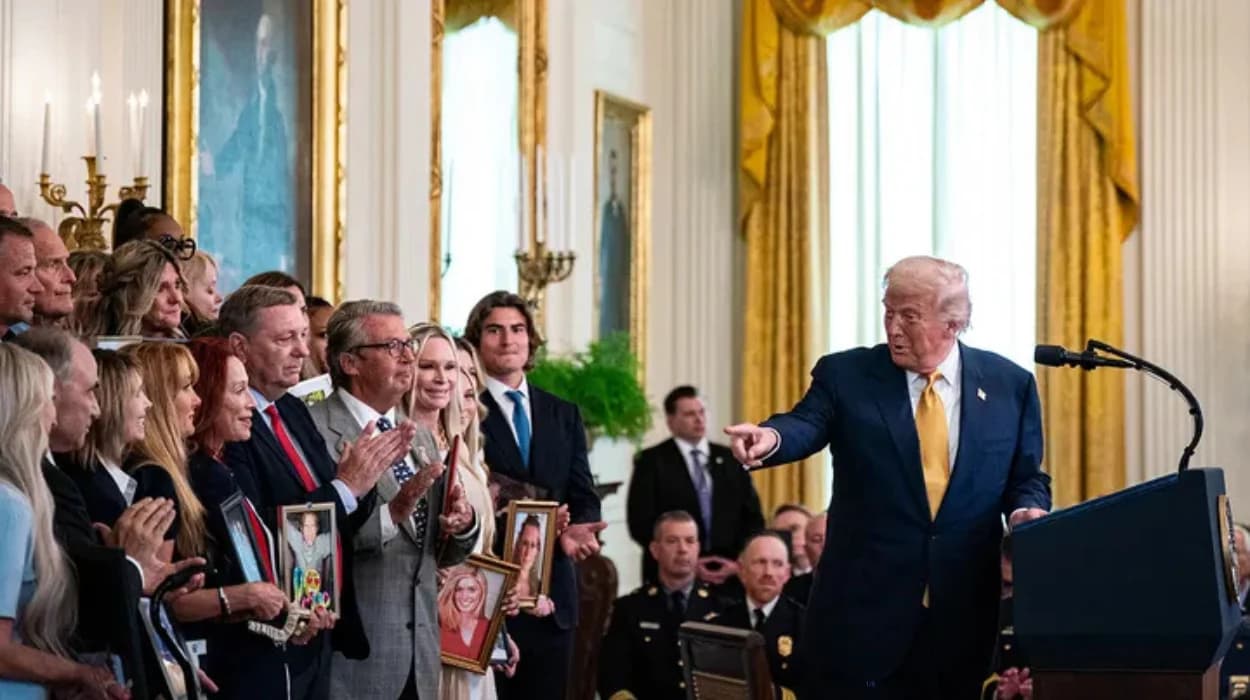
Wilson was in the White House on Wednesday when the act was signed into law, standing next to President Trump and angel parents.
How does Wilson’s signing of the HALT fentanyl act relate to his role as attorney general?
Wilson has been a vocal advocate for permanently classifying fentanyl analogs—synthetic opioids chemically similar to fentanyl but previously not clearly covered under Schedule I—as part of the Controlled Substances Act. This classification empowers law enforcement and prosecutors in South Carolina and nationwide to more effectively charge and convict traffickers of these deadly substances.
The HALT Fentanyl Act addresses a critical “cat and mouse” loophole exploited by drug cartels that altered chemical structures to evade existing laws. Wilson’s role is directly connected to closing this gap which hinders criminal justice.
Protecting Community Safety and Public Health: As attorney general, Wilson has emphasized combatting the opioid epidemic to protect South Carolina’s citizens, noting fentanyl and its analogs have become the leading cause of drug-related deaths in the state.