
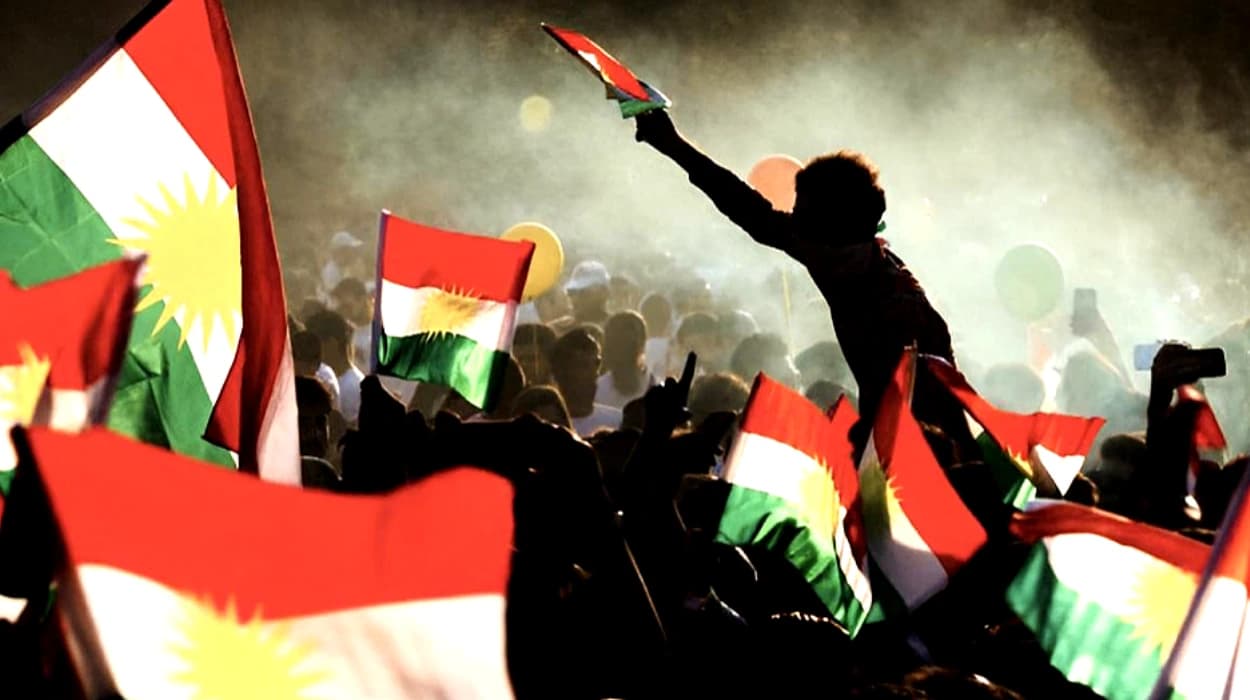
- US Policy Shift in Syria: Recent US decisions have reduced support for the Syrian Democratic Forces (SDF), leading to integration ultimatums from Damascus and Syrian forces entering Kurdish-held areas like Hasakah under a US-backed deal.
- Regional Kurdish Impact: Eroding trust affects Kurds in Iraq, Turkey, and Iran, with Iraqi KRG facing financial strains and security threats while US prioritises countering Iran over Kurdish autonomy demands.
- Key US Statements: Envoy Tom Barrack declared SDF's role "largely expired" post-ISIL, facilitating government control amid fragile ceasefires and 134,000 displacements reported by UN agencies.
- Expert Perspectives: Analysts note US never promised Kurdish independence, viewing integration as aligning with anti-Iran strategy rather than abandonment, influencing political calculations across communities.
- Broader Ramifications: Turkish influence grows as SDF negotiates limited rights; Iraqi Kurds adapt to perceived unreliability, potentially weakening US regional partnerships long-term.
Washington (Washington Insider Magazine) February 6, 2026 – US policy shifts under President Donald Trump have led to reduced support for Syrian Kurds, prompting integration demands from Damascus. Kurdish forces face ultimatums amid a fragile ceasefire, with 134,000 displaced according to UN reports. US envoy Tom Barrack stated the Syrian Democratic Forces' (SDF) role has largely expired post-ISIL defeat.
US envoy Tom Barrack announced on 20 January 2026 that the SDF's role in Syria has largely expired after defeating ISIL, according to Al Jazeera reports. The Syrian government issued a four-day ultimatum to the SDF for integration, coinciding with US signals of ending direct support. A 15-day ceasefire between Syrian forces and the SDF remains in effect, facilitated by Washington.
The Conversation reported on 28 January 2026 that around 134,000 Kurds fled their homes amid fears of sectarian violence similar to 2025 massacres targeting Alevi and Druze populations. Syrian army advances reclaimed SDF-held territories, including the Al-Hol camp housing IS suspects.
Kurdish Globe detailed on 25 January 2026 the US pivot from proxy alliance with Kurds toward endorsing Syria's central government post-Bashar al-Assad's December 2024 overthrow. SDF territorial autonomy weakened as integration into the national army raises identity concerns for Kurds who governed Rojava semi-autonomously since 2012.
What US Statements Defined the Policy Shift Toward Syrian Kurds?

US envoy Tom Barrack stated the Syrian government now serves as the anti-ISIS force, creating opportunities for Kurdish integration. President Ahmed al-Sharaa announced citizenship rights and Kurdish language protections, per Al Jazeera on 20 January 2026. Barrack described a pathway to full Kurdish integration following a government-declared ceasefire after four days of conflict.
Jerusalem Post reported on 1 February 2026 that by December 2025, the US expressed satisfaction with Syria's interim government's steps. The SDF had maintained governance in northeast Syria for over a decade alongside minorities.
With context on evolving US-Syria dynamics post-Assad, Kurdish analyst Kamaran Palani said in X post,
“My latest: US policy in Syria and what it really means for Kurds across the region.”
My latest: US policy in Syria and what it really means for Kurds across the region.https://t.co/ZVUrFfHlZ8
— Kamaran Palani (@KamaranMPalani) February 4, 2026
How Did Ceasefires and Integration Talks Progress for SDF?
A March 2025 SDF-Damascus agreement aimed to merge military and administrative structures, per The Conversation. Progress stalled over Kurdish demands for local autonomy and unified SDF integration akin to Iraqi Peshmerga. Damascus rejected these under Turkish influence, leading to stalemate.
US-facilitated Paris talks in early January 2026 yielded an Israel-Syria security-economic deal. Syrian requests to reclaim SDF territories faced no US objections, prompting immediate offensives. Kurdish forces withdrew from Al-Hol as government troops advanced.
Al Jazeera noted Rudaw reports of 1,500 IS members escaping Shaddadi prison during the handover. Iraq requested US relocation of IS detainees, which Washington approved despite recent anti-IS coalition inclusion of Syria.
What Impacts Emerged in Iraqi Kurdistan from US Strategy?
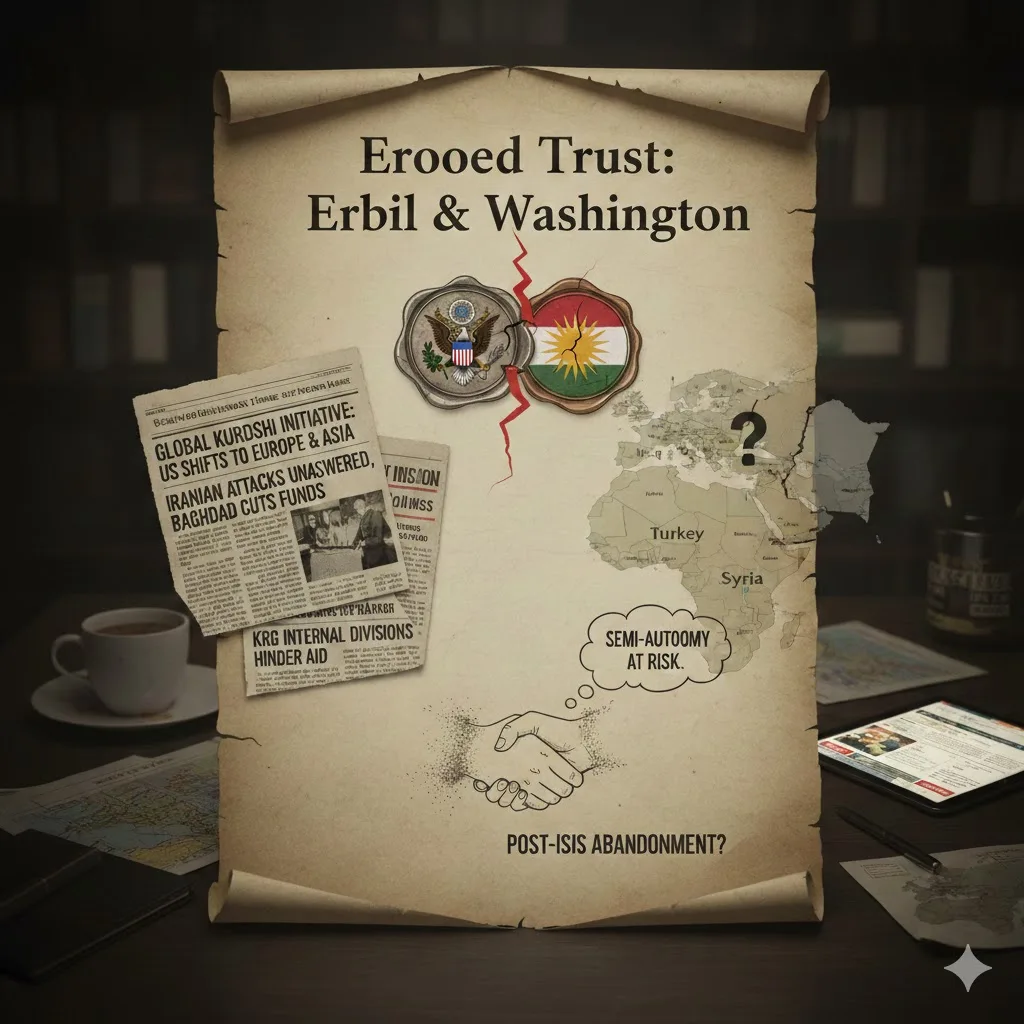
American University’s Global Kurdish Initiative reported eroded trust between Erbil and Washington due to shifting priorities toward Europe and Asia. Kurdish leaders perceive US idleness amid Iranian attacks and financial strains from Baghdad. Washington cites KRG internal divisions, democratic backsliding, and security fragmentation undermining investments.
The partnership remains asymmetrical as Kurds constitute a non-state actor managed through Iraq, Turkey, Iran, and Syria policies. KRG frustration grows over unmet economic, financial, and security support requests.
Kurdish Globe highlighted Kurds feeling abandoned after years partnering against ISIS, with integration threatening semi-autonomy administered for years.
Which Regional Actors Influenced US Kurdish Policy Adjustments?
Turkey views Syrian Kurdish autonomy since 2012 as a security threat linked to its own Kurdish rights quest, per The Conversation. Washington pursued a dual approach: urging SDF merger into Syria to ease Ankara concerns while countering Iran.
US strategy aligns with Trump’s agenda to curb Iranian influence and reduce military footprint. Post-Assad overthrow by Turkey-aligned HTS, Washington consolidated counterterrorism under Syrian authority.
Jerusalem Post noted US public satisfaction with interim government steps by December 2025, marking turnaround from decade-long SDF support.
What Expert Perspectives Addressed Abandonment Claims?
With discussion of US disappointment versus abandonment narratives, Rose Kelanic said in X post,
“The United States never promised to support Kurdish independence in Syria and cannot be expected to prop up Kurdish political autonomy against U.S. interests.” The U.S. disappointed the Kurds but did not “abandon” them.”
“The United States never promised to support Kurdish independence in Syria and cannot be expected to prop up Kurdish political autonomy against U.S. interests.”
— Rose Kelanic (@RKelanic) February 5, 2026
The U.S. disappointed the Kurds but did not “abandon” them, I argue for @RealClearWorld @defpriorities…
Al Jazeera quoted Barrack emphasising no promises of independence, countering abandonment charges amid SDF integration pressures.
How Did US Actions Affect Humanitarian Situations?
UN reports cited by The Conversation confirm 134,000 Kurds displaced, with civilians fearing 2025-style sectarian massacres. SDF withdrawal from IS camps alarmed Iraq, prompting detainee transfer requests over border security concerns with Iranian-linked militias.
Kurdish Globe noted precarious positions for communities post-US strategy shift, weakening territorial control.
What Broader Middle East Ramifications Followed?
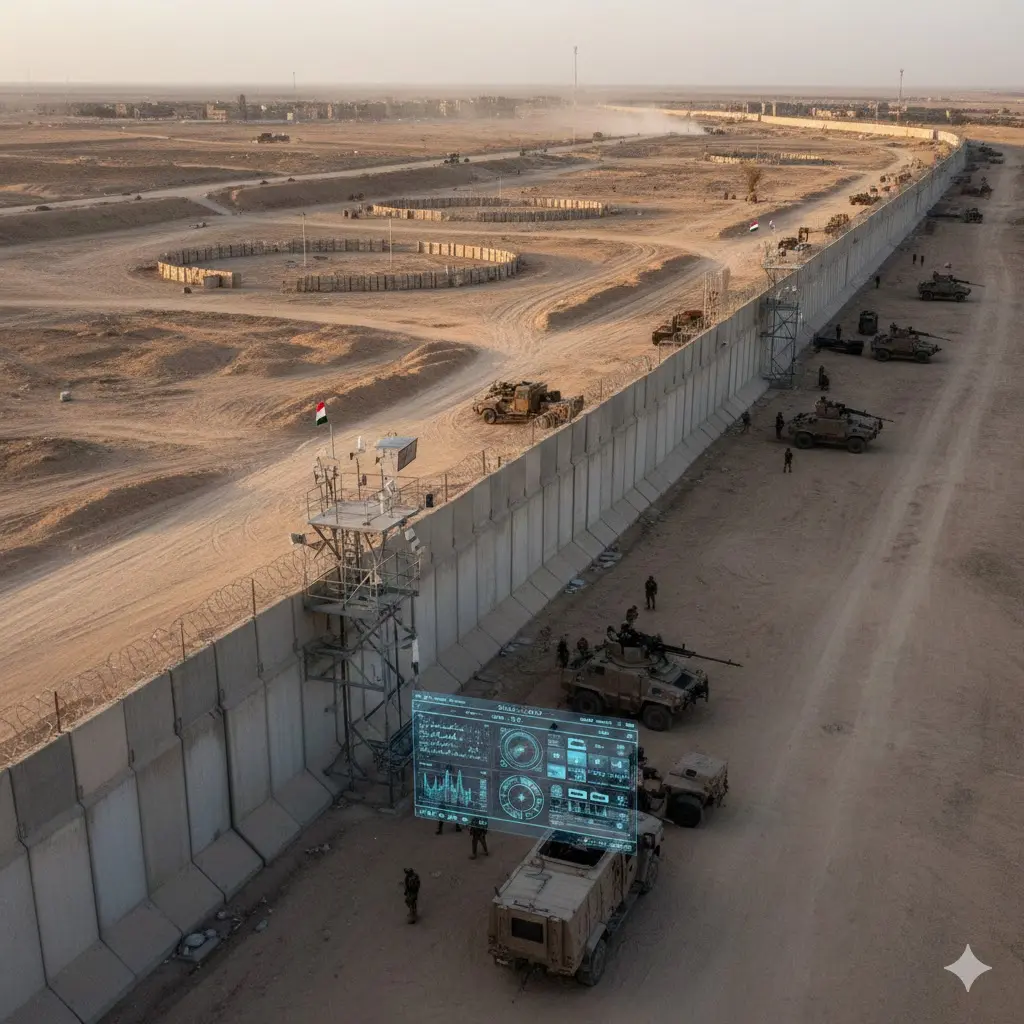
Iraq’s government worries over Syrian forces at SDF-previous border points, per The Conversation. Potential US actions against Iran could involve Iraq, given Maliki’s Tehran ties and Shia militia vigilance.
Washington conditioned support for Syria’s transitional government on democratic, pluralistic frameworks safeguarding minority rights including Kurds.
Aljumhuriya noted analysts viewing shifts as longstanding US policy continuity despite visible suppression in Kurdish regions.
Which Developments Occurred Post-Assad Overthrow?
Assad’s December 2024 fall by Turkey-aligned groups reshaped dynamics, per Kurdish Globe. US endorsed central authority for stability and counterterrorism, pivoting from Kurdish proxies.
Jerusalem Post detailed first-week 2026 turnaround, with Syria’s interim leader visits influencing policy.