
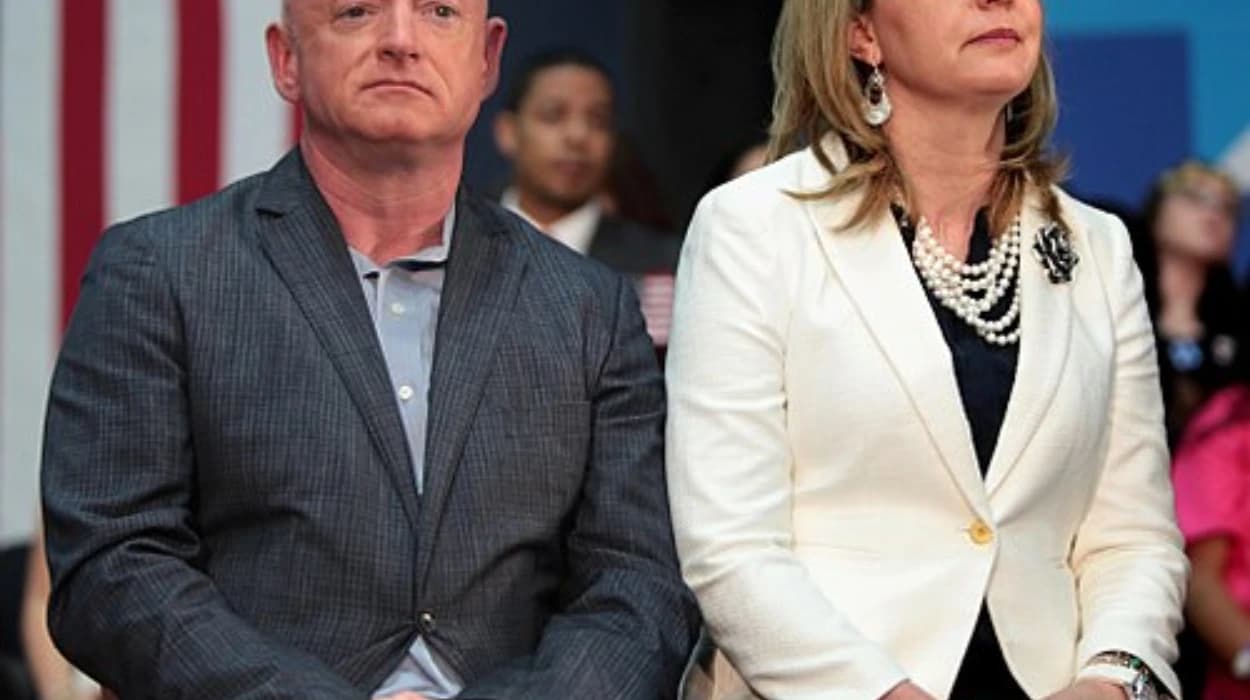
Mark Kelly, a retired NASA astronaut turned U.S. Senator from Arizona, has built substantial wealth through his distinguished naval aviation career, spaceflights, authorship, and strategic investments held in blind trusts. Financial disclosures reveal his net worth falls between $8 million and $34 million, placing him among the wealthier members of Congress, largely from diversified assets like annuities, real estate, and trusts managed to avoid conflicts of interest. This financial profile reflects a trajectory shaped by high-stakes public service and prudent post-retirement ventures, offering insights into how elite professionals transition into politics while maintaining fiscal responsibility.
Early Life and Path to Stellar Achievements
Born in New Jersey to parents who served as police officers, Mark Kelly grew up with a strong sense of discipline that propelled him toward maritime and aeronautical excellence. He earned top honors in marine engineering and nautical science from the United States Merchant Marine Academy, followed by a master's in aeronautical engineering from the Naval Postgraduate School. These credentials laid the foundation for a naval career where he logged over 5,000 flight hours across more than 50 aircraft types, including 39 combat missions during the Gulf War aboard the USS Midway.
Kelly's naval service garnered prestigious awards, such as two Defense Superior Service Medals, two Distinguished Flying Crosses, and multiple Air Medals with Combat V, underscoring his valor and skill as a test pilot with over 375 carrier landings. This phase not only honed his leadership but also contributed early to his financial stability through military pensions and benefits, common for high-ranking officers transitioning to civilian pursuits. Such backgrounds often yield long-term annuities, forming a core of wealth for figures like Kelly.
NASA Missions: Piloting the Frontiers of Exploration
Selected alongside his identical twin brother Scott in NASA's 1996 astronaut class—the only siblings both to reach orbit—Kelly commanded four Space Shuttle missions, accumulating 54 days in space. His flights included STS-108 as pilot, delivering supplies to the International Space Station; STS-121, testing post-Columbia safety measures; STS-124, installing Japan's Kibo lab; and STS-134, Endeavour's final voyage with the Alpha Magnetic Spectrometer. NASA salaries for astronauts, combined with mission bonuses and Distinguished Service Medals, provided steady income during this era.
Beyond paychecks, these missions elevated Kelly's public profile, indirectly boosting later earnings from speaking engagements and media. World Bank data highlights how advanced economies invest heavily in space programs, yielding economic multipliers through technology spin-offs that benefit participants like Kelly via expertise monetization. Retirement from NASA in 2011, prompted by personal reasons, shifted focus to family while preserving pension streams integral to his asset base.
Personal Resilience Amid National Tragedy
Kelly's life intersected with profound adversity when his wife, former Congresswoman Gabby Giffords, survived an assassination attempt in 2011, killing six and injuring others. He stood vigil during her recovery, later co-founding Americans for Responsible Solutions (now Giffords) to advocate for gun safety measures like universal background checks, blending personal advocacy with policy influence. This period tested his resolve, yet he emerged authoring bestsellers such as "Gabby: A Story of Courage and Resilience" and children's books like "Mousetronaut," which topped charts and generated royalties.
IMF analyses note that public figures channeling trauma into advocacy often secure book deals and speeches, diversifying income streams resilient to economic shifts. Kelly's post-NASA speeches for organizations like Goldman Sachs and Shaklee added to his portfolio, with earnings funneled into retirement accounts now valued up to several million in blind trusts. His 2015 Celebrity Jeopardy! appearance further amplified his brand, contributing to media-related ventures with brother Scott via Lightspeed Partners.
Ventures Fueling Financial Growth
Kelly co-founded World View Enterprises, a high-altitude balloon firm, serving as Director of Flight Crew Operations and holding stock in a blind trust exceeding $100,000. He also advised SpaceX on safety and pursued aerospace consulting, leveraging expertise for equity stakes and fees. Recent disclosures list assets including a residential property up to $500,000, Jackson National Life Insurance up to $1 million, and trusts like the Kelly Qualified Blind Trust up to $25 million.
No reported liabilities bolster his position, with estimates pegging net worth at around $20.4 million as of late 2025—63rd in Congress—despite zero trackable public stocks. OECD reports emphasize blind trusts as standard for legislators to mitigate insider trading risks, aligning with Kelly's sponsorship of stock-trading bans for officials. Real estate in Arizona and diversified holdings like bonds provide passive income, reflecting strategic planning amid political scrutiny.
Senate Career and Policy Influence
Elected in Arizona's 2020 special election defeating Republican Martha McSally by over 10 points Kelly became the first Democrat in that seat since 1962, securing a full term in 2022 against Blake Masters. As senior senator post-2025, he serves on Armed Services, Environment, and Aging committees, pushing bipartisan bills on water rights for tribes, fentanyl interdiction, and de-escalation training. His moderate stance garners 94.5% alignment with Biden-era positions, supporting DACA while backing the Laken Riley Act.
Senate salaries around $174,000 annually add modestly to wealth, dwarfed by trusts, but fundraising prowess $8 million cash on hand sustains campaigns without corporate PACs. UNESCO underscores aviation pioneers' roles in STEM inspiration, paralleling Kelly's push for manufacturing like TSMC's Arizona investments. Recent investigations tied to a 2025 video on lawful orders highlight ongoing tensions, yet his focus remains on border security and climate without Green New Deal endorsement.
Kelly's journey exemplifies how public service intersects with personal enterprise, yielding a robust financial standing through disciplined career pivots and ethical asset management. His story endures as a blueprint for resilience, innovation, and governance in an unpredictable world.