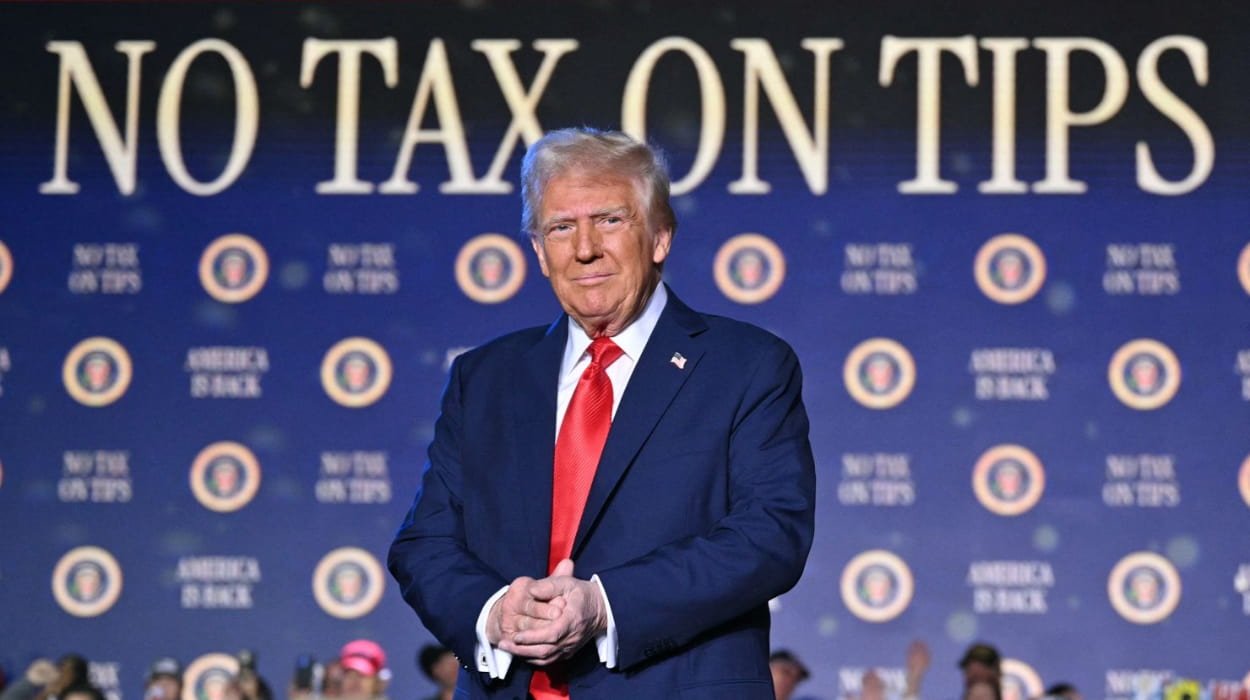

The US Senate recently passed the No Tax on Tips Act in a move
that caught many by surprise but was welcomed by tipped workers and business
groups alike. This bipartisan legislation exempts tips up to a $25,000 cap from
federal income tax for eligible workers, aiming to provide financial relief to
large numbers of Americans who rely on gratuities as a key part of their
income. The law also limits eligibility based on income thresholds and focuses
on cash tips reported for payroll withholding purposes.
Background: The Importance of Tipped Income in
America
Tipped workers form a substantial portion of the US workforce,
especially in industries like restaurants, hospitality, and personal services.
According to the Bureau of Labor Statistics, millions of Americans earn a
significant part of their wages through tips, supplementing often modest base
salaries. However, under current tax rules, these tips are considered taxable
income, requiring workers to pay federal income taxes on them.
For many tipped employees, this taxation reduces take-home pay and
complicates financial planning, especially for those earning lower wages
overall. The No Tax on Tips Act emerged from this ongoing discussion about the
fairness of taxing tips and how best to support service industry workers
ensuring they receive adequate net earnings.
Legislative Journey: Bipartisan Support and Senate Passage
The No Tax on Tips Act was introduced in January 2025 by Senator Ted Cruz (R-Texas) with bipartisan co-sponsors including
Senators Jacky Rosen and Catherine Cortez Masto of Nevada. Nevada’s prominence
in tipped occupations having the highest per capita tipped worker population
gave particular impetus for the bill.
In a rare unanimous consent vote in May 2025, the Senate passed
the bill without objection. Senator Rosen, highlighting her state’s reliance on
tipped labor, described the legislation as delivering “immediate financial
relief for countless hard-working families.” The bill’s swift passage
reflected growing consensus around supporting tipped workers; however, it faced
critical examination from labor advocates and tax policy experts once it moved
to the House of Representatives.
Key Provisions of the No Tax on Tips Act
The law offers a tax deduction up to $25,000 on tip income earned
by eligible workers, effectively exempting those earnings from federal income
tax. This cap is inflation-indexed, potentially increasing over time to keep
pace with economic changes.
To qualify, workers must:
- Receive cash tips that are
fully reported to employers for payroll withholding. - Earn $160,000 or less annually (adjusted for inflation
in future years). - Belong to occupations where tip income is customary,
such as waitstaff, bartenders, chauffeurs, and hospitality employees.
Notably, the tax break targets only cash tips reported for payroll
purposes, excluding other forms of gratuities. This framework is designed to
ensure transparency while preventing abuse or unreported income.
Implications for Tipped Workers and Employers
For many tipped employees, the act promises increased take-home
pay, reducing the tax burden that can be particularly heavy on lower and
middle-income workers who rely on tips as a significant income source.
Employers, especially in the restaurant and hospitality sectors,
have welcomed the legislation. The National Restaurant Association publicly
supported the bill, emphasizing its potential to provide economic stability for
workers who often experience fluctuating incomes and financial insecurity.
The law’s emphasis on reported cash tips also encourages formal
documentation of gratuities, which may improve overall tax compliance
transparency. In this way, the legislation aims to reduce underreporting and
strengthen payment accuracy.
Criticism and Concerns
Despite broad political support, the No Tax on Tips Act has faced
criticism from labor advocates and tax experts. Some argue that the financial
benefit is marginal for many tipped workers who do not earn enough to owe
federal taxes on their total income. The tax deduction might help a fraction of
tipped workers with higher earnings but leaves others with negligible gains.
Another concern involves the potential for unintended employer
behavior. Critics warn that some employers might reclassify wages as tips to
take advantage of tax breaks, reducing base pay under covert schemes. This
would undermine efforts to improve wage fairness and might exacerbate wage
uncertainty among workers.
Labor advocates also contend that the focus on tips perpetuates a
two-tier pay system, where workers rely heavily on variable gratuities rather
than stable hourly wages. They advocate for policies promoting higher base pay
with tips as supplemental income, aligning with ongoing debates around minimum
wage reforms and economic equity.
Historical and Political Context
The tax exemption on tips was a notable issue during the 2024
presidential election campaign. Both President Donald Trump and then-Vice
President Kamala Harris addressed it in their platforms, reflecting bipartisan
recognition of the importance of measures to alleviate financial pressures on
tipped workers.
The No Tax on Tips Act thus fulfills a campaign promise of the
Trump administration, while also incorporating bipartisan input that helped
move it through Congress. This confluence of political interests underscores
the contemporary relevance of tax policy reforms tailored to the realities of
working Americans.
Comparison with Other Tipped Income Policies Globally
Internationally, the treatment of tips varies significantly. In
many European countries, tips are less commonly taxed, and service charges or
higher regulated wages compensate workers. The United States’ approach to
taxing tips has been historically unique, partly due to its complex mix of
federal and state tax rules.
Belgium, for example, has strict rules around firearm ownership
but generally integrates taxes into contained systems reflecting social safety
nets. Similarly, in countries with comprehensive social welfare, the reliance
on tips tends to be less critical than in the US.
The No Tax on Tips Act aligns the US tax treatment more closely
with some global norms that mitigate tax burdens on gratuities, potentially
setting a precedent for future reforms.
Economic Implications and Future Outlook
Economists suggest that removing taxes on tips could marginally
increase consumer spending by boosting disposable income for millions of
workers. However, the overall effect on federal revenue will depend on uptake,
inflation adjustments, and changes in wage reporting.
The act may encourage greater formalization of tip reporting,
enhancing transparency in the labor market. Its long-term success, however,
will hinge on accompanying policies that guarantee fair wages and protections
for tipped workers.
Future legislative efforts may push for complementary reforms
addressing the structural issues in tipped labor, including minimum wage
debates and employment benefits.
The US Senate’s passage of the No Tax on Tips Act represents a landmark in taxpayer relief
specifically targeted at tipped workers. By exempting up to $25,000 of recorded
tip income from federal taxes for those earning under set thresholds, the
legislation seeks to increase fairness and financial stability for millions in
the service industries.
While supporters hail it as a practical win for working families,
critics caution about limited scope and possible employer abuses. The law’s
impact will unfold as it proceeds through the legislative process and finds
real-world application, posing significant questions about how best to support
a vital but often vulnerable workforce.
Ultimately, the No Tax on Tips Act highlights the ongoing
balancing act in US labor and tax policy between economic relief, fairness, and
ensuring sustainable employment standards.