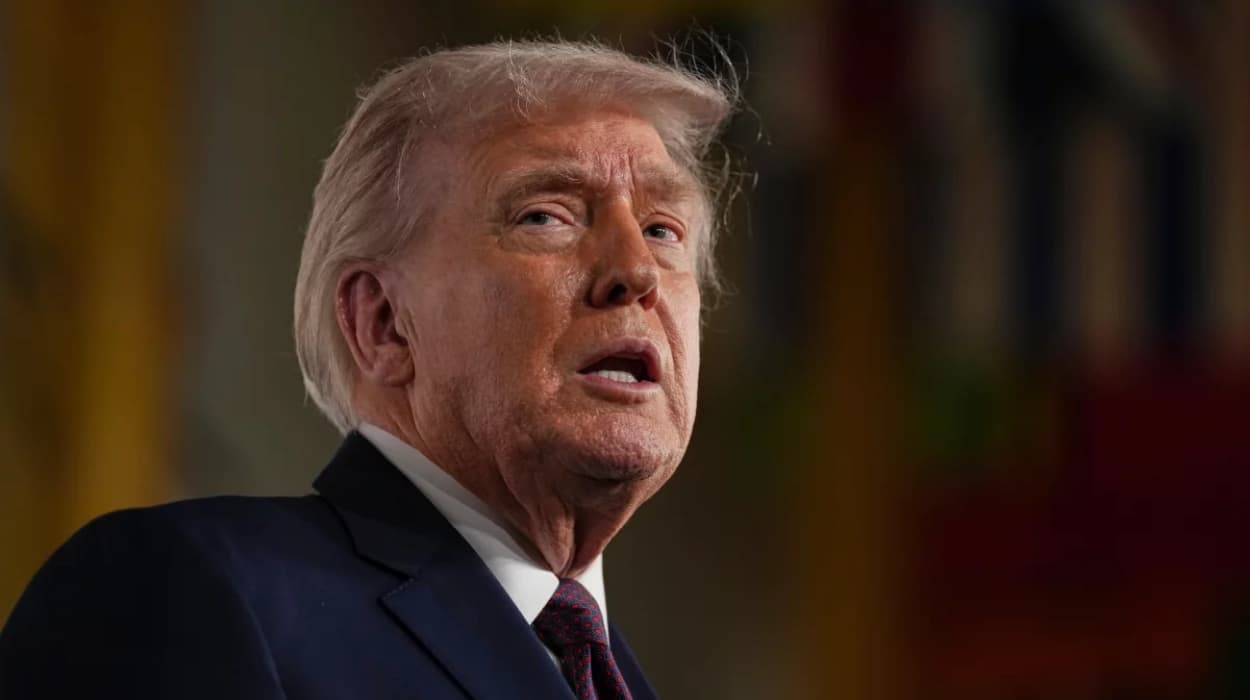
- Nomination Announcement: U.S. President Donald Trump nominated former Federal Reserve Governor Kevin Warsh as the next Federal Reserve chair on January 30, 2026, to replace current leadership.
- Warsh's Background: Warsh served on the Fed Board from 2006-2011, contributing to crisis responses; now at Stanford's Hoover Institution with expertise in monetary policy and inflation control.
- Senate Confirmation Needed: Requires Republican-majority Senate approval following 2024 elections; process involves Banking Committee hearings and floor vote.
- Trump's Rationale: Praised Warsh for guiding economy amid inflation concerns, trade shifts and growth goals, aligning with pro-growth, deregulation agenda.
- Policy Implications: Signals potential for firmer inflation targeting, balance sheet reduction and coordination with administration's tariff, energy policies.
Washington (Washington Insider Megazine) January 30, 2026 – U.S. President Donald Trump has nominated former Federal Reserve Governor Kevin Warsh to serve as chair of the Federal Reserve, replacing the current leadership. Warsh, who served on the Fed's Board of Governors from 2006 to 2011, brings extensive experience in monetary policy and financial regulation to the role. The nomination requires Senate confirmation, where Republicans hold a majority following the 2024 elections. Trump praised Warsh as the right leader to guide the U.S. economy amid ongoing inflation concerns and trade policy shifts.
President Trump announced the nomination during a White House press briefing on Friday morning, stating that Warsh's track record positions him to deliver stable growth and low interest rates. Warsh, 55, left the Fed after resigning in 2011 but has remained active in economic commentary through positions at Stanford's Hoover Institution and private sector roles. The move signals Trump's intent to align monetary policy closely with his administration's economic agenda, including tariff implementations and deregulation efforts.
Kevin Warsh's Background and Fed Tenure
Kevin Warsh joined the Federal Reserve Board as Governor in 2006, nominated by President George W. Bush. During his five-year term, he participated in Federal Open Market Committee meetings, contributing to responses during the 2008 financial crisis. Warsh advocated for measured interventions, emphasising the Fed's role in maintaining price stability and maximum employment.
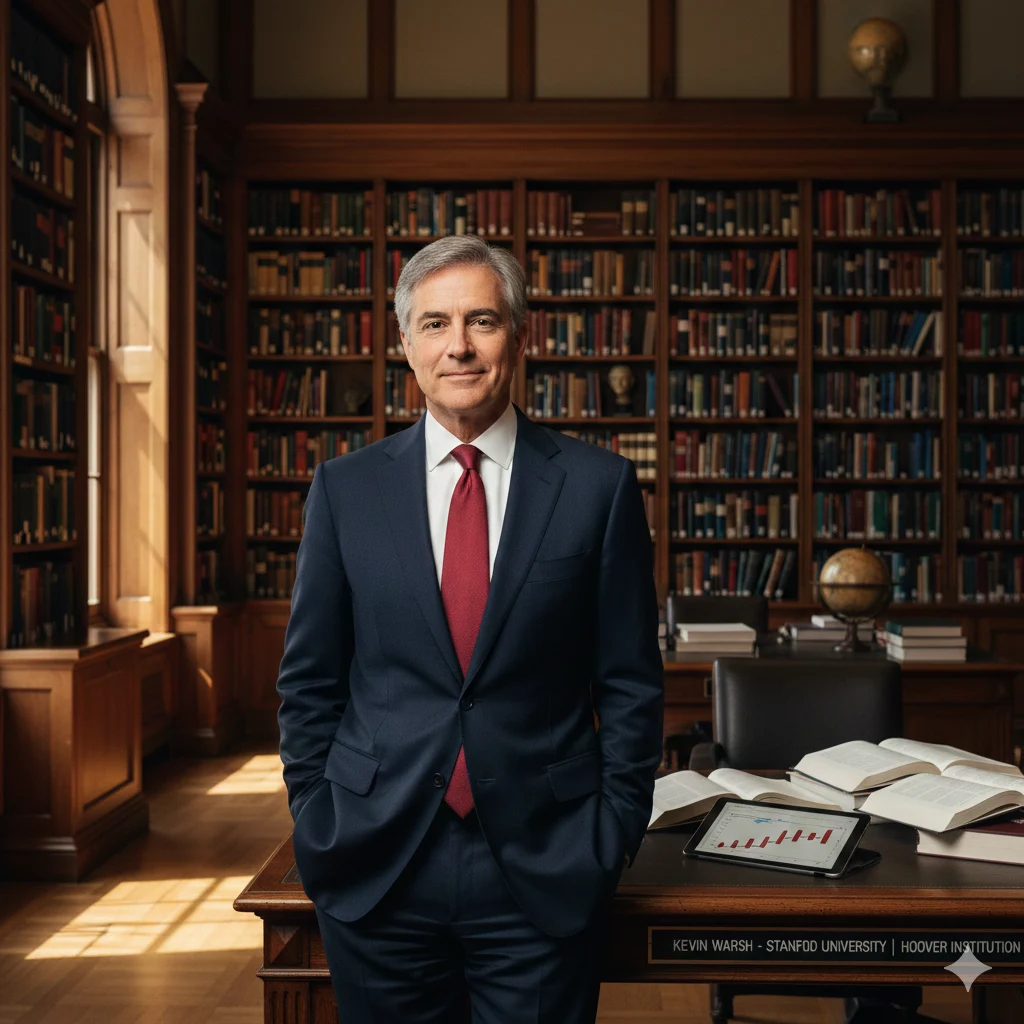
Post-Fed, Warsh became a distinguished visiting fellow at the Hoover Institution and taught economics at Stanford University. He has advised corporations and appeared frequently on financial media, critiquing central bank policies on inflation targeting and balance sheet management. In recent years, Warsh positioned himself as a hawk on inflation, calling for rate hikes earlier than some peers during the post-pandemic surge.
Warsh's nomination revives discussions from 2017, when he was a leading contender to succeed Janet Yellen before withdrawing. At that time, he garnered support from conservatives for his market-oriented views and criticism of prolonged low rates.
Context of Current Federal Reserve Leadership
The Federal Reserve chair position carries a four-year term, with Jerome Powell's tenure set to expire in May 2026. Trump, during his first term, frequently criticised Powell for rate decisions, leading to calls for removal despite legal protections for the chair. The nomination process allows Trump to name a successor ahead of the term's end, subject to Senate advice and consent.
The Fed's Board of Governors consists of seven members serving 14-year terms, with the chair and vice chair designated from among them. Current vice chair Philip Jefferson and others continue in their roles, but Trump's pick influences the FOMC's direction on interest rates and quantitative tightening.
Economists note Warsh's views align with Trump's preference for lower rates to support borrowing and investment, contrasting with Powell's data-dependent approach.
Trump's Economic Policy Alignment with Nominee
Trump highlighted Warsh's experience navigating the 2008 crisis and his advocacy for sound money principles. In a statement, Trump said,
"Kevin understands how to cut red tape, unleash growth, and keep inflation in check without hurting workers."
Warsh has publicly supported Trump's tariff policies, arguing they strengthen U.S. manufacturing without derailing monetary stability.
During 2025 confirmation hearings for other appointees, Warsh testified on the need for Fed independence while cooperating with fiscal policy goals. His nomination coincides with the administration's push for 2% inflation targets and full employment amid 2026 growth projections.
Wall Street reacted positively, with futures indicating expectations of steady rates at the next FOMC meeting.
Senate Confirmation Process and Timeline
The Senate Banking Committee, chaired by a Republican following 2024 gains, schedules hearings for high-level nominees. Warsh's prior service and bipartisan relationships from 2006 nomination ease prospects, though Democrats may question his hawkish stance. Confirmation requires a simple majority, favouring Republicans' 53-47 edge.
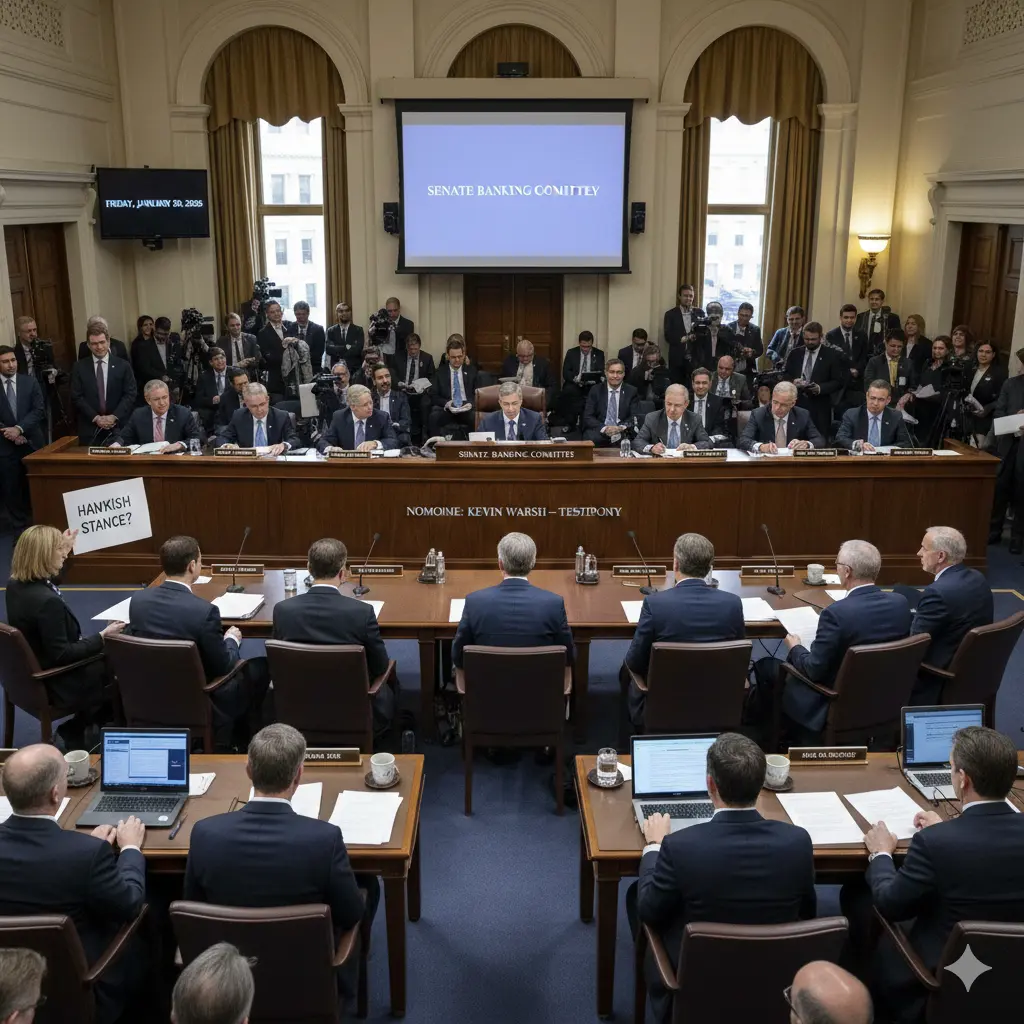
Historical precedents include swift approvals for prior chairs, though Trump's nominees faced delays in his first term. The process typically spans weeks, with floor votes following committee advancement.
If confirmed, Warsh assumes the chair role upon Powell's departure, steering policy through 2026 midterms and beyond.
Reactions from Economic Experts and Policymakers
Federal Reserve alumni expressed support, citing Warsh's crisis-era contributions. Stanford colleagues described him as pragmatic, blending data analysis with forward guidance. Progressive economists voiced concerns over potential rate cuts favouring asset prices.
Republican senators signalled backing, with Finance Committee members praising Warsh's independence. Democratic leader Chuck Schumer called for thorough vetting on inflation risks.
Business groups like the U.S. Chamber of Commerce welcomed the pick for pro-growth orientation.
Implications for Monetary Policy Outlook
Warsh's record suggests continuity in dual mandate pursuit but firmer inflation control. He has critiqued the Fed's balance sheet size, advocating gradual reduction. On digital currencies, Warsh supports innovation under regulatory oversight.
The nomination underscores Trump's second-term focus on economic nationalism, linking Fed policy to trade and energy agendas.
Historical Precedents for Mid-Term Nominations
Presidents often nominate chairs ahead of term ends, as with Ben Bernanke's 2006 selection. Trump's action mirrors patterns while asserting early influence.
Warsh joins a lineage of economists and bankers shaping U.S. policy since the Fed's 1913 founding.