
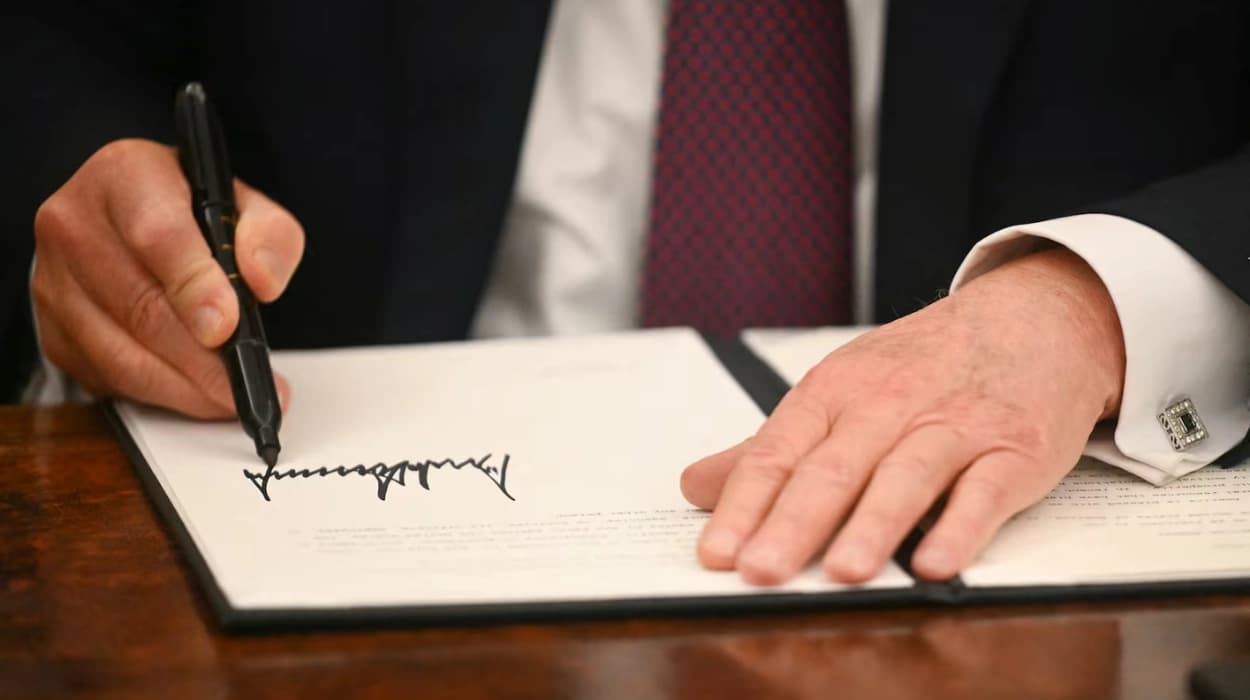
- President Trump granted clemency to over 1,600 individuals in his second term's first year, surpassing his first-term total of 237, including mass pardons for 1,500 January 6 Capitol riot participants.
- Actions encompass blanket pardons erasing convictions and commutations reducing sentences, favouring political allies like Rudy Giuliani, Mark Meadows, and repeat offenders such as fraud convict Adriana Camberos.
- A new informal process bypasses traditional Justice Department reviews, allowing well-connected applicants with lobbyists to gain clemency, as reported by media on specific cases.
- Grants include 24 anti-abortion protesters, white-collar criminals owing $1.3 billion in restitution, and figures like Paul Manafort and Michael Flynn from prior investigations.
- Constitutional pardon power remains nearly unlimited per Supreme Court precedent; critics note 85% of recipients are white, with 90% tied to January 6 cases per congressional reports.
Washington (Washington Insider Megazine) - January 29, 2026 – President Donald Trump has granted executive clemency to more than 1,600 individuals since taking office for his second term on 20 January 2025, including mass pardons for January 6 Capitol riot participants and allies linked to 2020 election challenges. The actions surpass his first-term total of 237 clemency grants and include both pardons that erase convictions and commutations that reduce sentences. A new informal process has emerged allowing well-connected applicants to bypass traditional Justice Department reviews, drawing attention from media reports on specific recipients. Official lists from the Department of Justice document dozens of named individuals convicted of financial crimes, bribery and other federal offences.
Trump fulfilled a campaign pledge on inauguration day by issuing a proclamation pardoning approximately 1,500 people charged or convicted for offences related to the 6 January 2021 US Capitol attack. The blanket pardon covered members of groups including the Proud Boys and Oath Keepers, some of whom received sentences of over 20 years for seditious conspiracy. US Pardon Attorney Ed Martin announced the action, describing it as correcting a "grave national injustice" from what the administration characterised as politicised prosecutions.
Mass January 6 pardons mark inauguration day commencement
The 20 January 2025 proclamation explicitly granted a "full, complete and unconditional pardon" to nearly all individuals prosecuted for events at or near the Capitol on 6 January 2021. Recipients included Enrique Tarrio, former Proud Boys leader sentenced to 22 years, and Stewart Rhodes of the Oath Keepers, who received 18 years for seditious conspiracy. The pardon applied to federal charges but left state-level cases unaffected.
White House officials stated the mass clemency addressed overreach by federal investigators during a four-year probe led by the Justice Department. Court records show recipients faced charges ranging from trespassing to assaulting officers and conspiracy. The action preempted future federal prosecutions tied to the events.
On 9 November 2025, Pardon Attorney Martin announced a separate proclamation pardoning 77 individuals associated with efforts to challenge the 2020 election results, including Rudy Giuliani and Mark Meadows. Giuliani faced charges related to fake electors schemes, while Meadows was linked to attempts to overturn results in multiple states.
Creation of Pardon Czar position streamlines recommendations
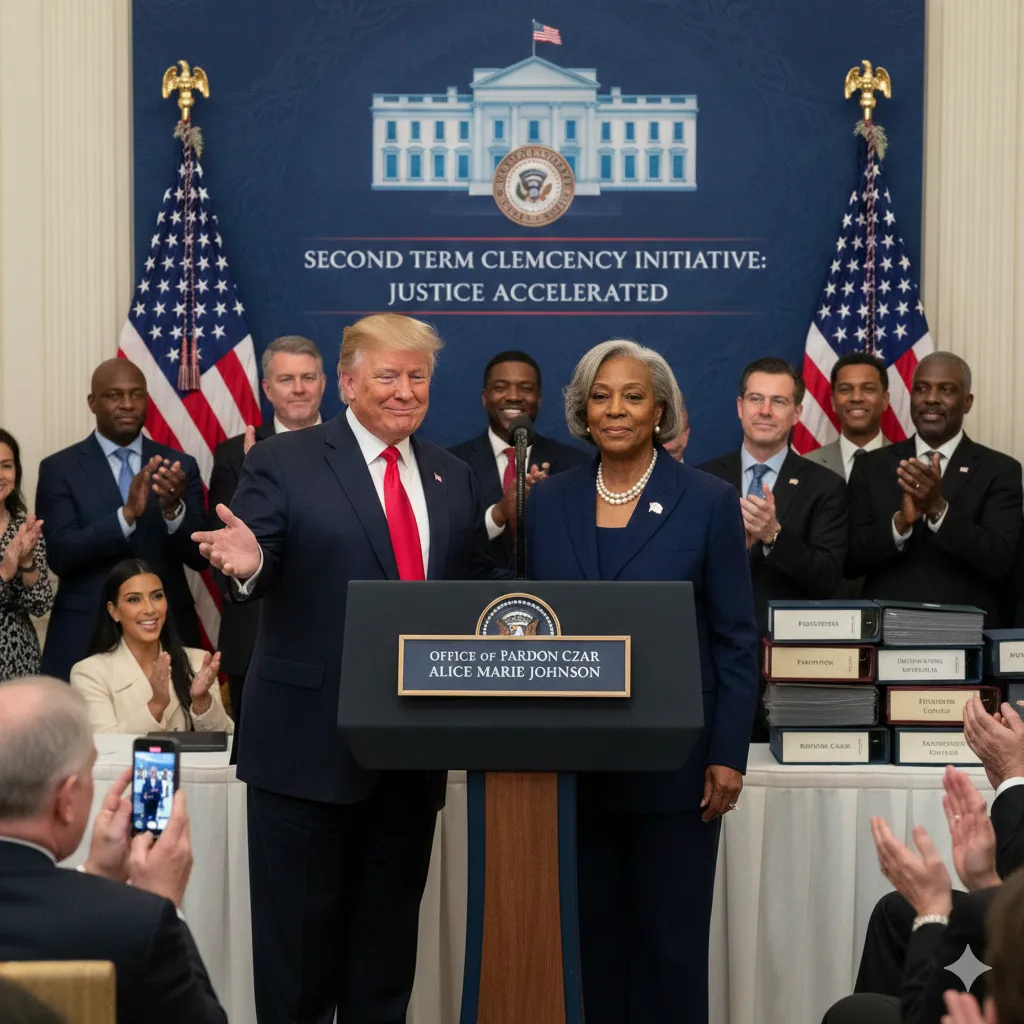
Trump established a "Pardon Czar" role on 20 February 2025, appointing Alice Marie Johnson, whom he had commuted and later fully pardoned during his first term. Johnson, convicted of non-violent drug offences and released after advocacy by Kim Kardashian, now recommends clemency candidates. Under her guidance, second-term grants have focused on categories including January 6 cases, political allies and perceived injustices.
The position operates outside the traditional Office of the Pardon Attorney, which maintains a five-year waiting period post-sentence for eligibility. Johnson has prioritised cases of what the administration calls politically motivated prosecutions.
Associated Press reporter Jonathan Lemire highlighted a parallel development in the clemency process. Zhao was a beneficiary of a new, informal path to presidential pardons that has become a feature of Trump’s second term, which allows some clemency applicants with deep pockets or politically connected lobbyists to circumvent the traditional process
“Zhao was a beneficiary of a new, informal path to presidential pardons that has become a feature of Trump’s second term, which allows some clemency applicants with deep pockets or politically connected lobbyists to circumvent the traditional process” https://t.co/BgiS4QZZyB
— Jonathan Lemire (@JonLemire) December 24, 2025
Department of Justice lists confirm multiple grants bypassing standard procedures.
Repeat clemency recipients include fraud convict Camberos
Adriana Isabel Camberos received clemency twice from Trump. In 2021, during his first term, he commuted her sentence for a fraud scheme. Camberos was convicted again in 2024 for a separate fraud involving resale of wholesale groceries, sentenced to 12 months and one day in prison plus $48.8 million in restitution on 26 June 2025.
Trump pardoned Camberos on 15 January 2026, erasing the new conviction alongside 12 others including her husband Andres Enrique Camberos. The couple had pleaded guilty to conspiracy to commit wire and mail fraud.
Political commentator Richard Hanania reacted to the repeated pardon on social media. A woman was given clemency by Trump in 2021. In 2024, she was convicted for another crime. Trump just pardoned her again. He’s basically giving a get out of jail free card to his supporters! How morally depraved are Republicans to accept this?
A woman was given clemency by Trump in 2021.
— Richard Hanania (@RichardHanania) January 21, 2026
In 2024, she was convicted for another crime.
Trump just pardoned her again.
He’s basically giving a get out of jail free card to his supporters!
How morally depraved are Republicans to accept this? https://t.co/akocW5by77
Legal analysts confirmed presidents can grant multiple pardons to the same person for separate offences, citing precedents like Roger Stone and Alice Marie Johnson who received both commutations and pardons.
Financial crimes dominate recent pardon lists
The Justice Department published detailed lists of 2025-2026 clemency grants, revealing a focus on white-collar offences. On 23 January 2025, Trump pardoned 24 individuals, including Jason Galanis convicted of fraud with $37 million restitution in New York federal court.
The 15 January 2026 batch included Wanda Vazquez Garced, former Puerto Rico governor who admitted a campaign violation, and Julio M. Herrera Velutini convicted of bribery and wire fraud. Vazquez and co-defendants faced potential prison time; all received pardons. An amended 20 January 2026 list added foreign contribution violations for Vazquez, Herrera and Mark T. Rossini.
Other recipients encompassed Michele Fiore for wire fraud conspiracy in Nevada, Paul Walczak for tax offences with $4.3 million restitution, and Terren Scott Peizer for securities fraud and insider trading sentenced to 42 months. Older cases included Danny Preston Conrad for 1979 postal embezzlement and Russell John Flint Jr. for 1966 false Selective Service certificates.
Political allies receive targeted clemency grants
Trump pardoned numerous figures tied to his orbit. On inauguration day, Paul Manafort's sentence for tax fraud and lobbying violations was commuted. Michael Flynn, Roger Stone and George Papadopoulos also received relief for Mueller investigation-related convictions.
In November 2025, Giuliani, Sidney Powell and Meadows obtained preemptive pardons for election-related probes. Charles Kushner, father of Jared Kushner, received a second pardon for prior tax evasion and witness tampering.
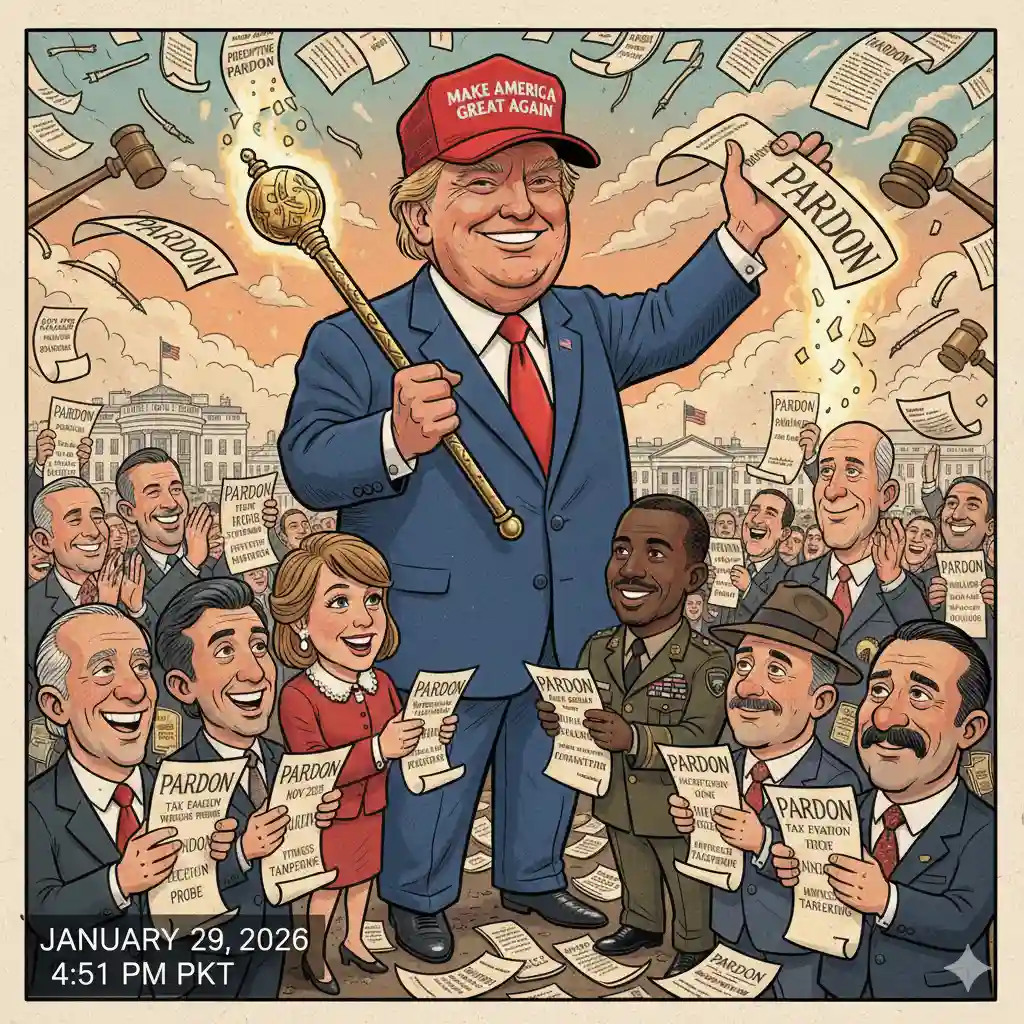
Puerto Rico cases featured Vazquez Garced and associates pardoned for bribery tied to her 2020 campaign financing. The White House framed these as addressing overzealous enforcement.
Constitutional basis and historical precedents upheld
Article II, Section 2 grants the president plenary power to issue reprieves and pardons for federal offences except impeachment cases. The Supreme Court has ruled the authority nearly unlimited, conferring immunity from future prosecution on the same charges. Federal courts dismissed challenges to Trump's first-term pardons, including one affirming his Stone pardon did not constitute obstruction.
Trump's second-term pace exceeds most predecessors: Barack Obama granted 1,927, Bill Clinton 456, George W. Bush 200, Joe Biden 90 through 2024. Historical examples include George Washington's Whiskey Rebellion pardons, Abraham Lincoln's Civil War grants and Gerald Ford's preemptive Nixon pardon.
No death row commutations occurred, unlike Biden's 2024 action on 37 federal sentences. Over 15,000 applications await formal review.
Process variations and public documentation
While traditional petitions go through the Pardon Attorney with a five-year post-sentence wait, Trump frequently acts on personal or ally recommendations. Alice Marie Johnson’s role centralises non-traditional reviews. The Justice Department publishes monthly lists of grants.
A 21 January 2026 congressional document noted second-term pardons forgave financial crimes with hundreds of millions in fines and restitution. Recipients must still face state charges unaffected by federal pardons.
White House Counsel oversees some petitions, but Trump maintains final authority. No Senate confirmation applies to informal processes.