
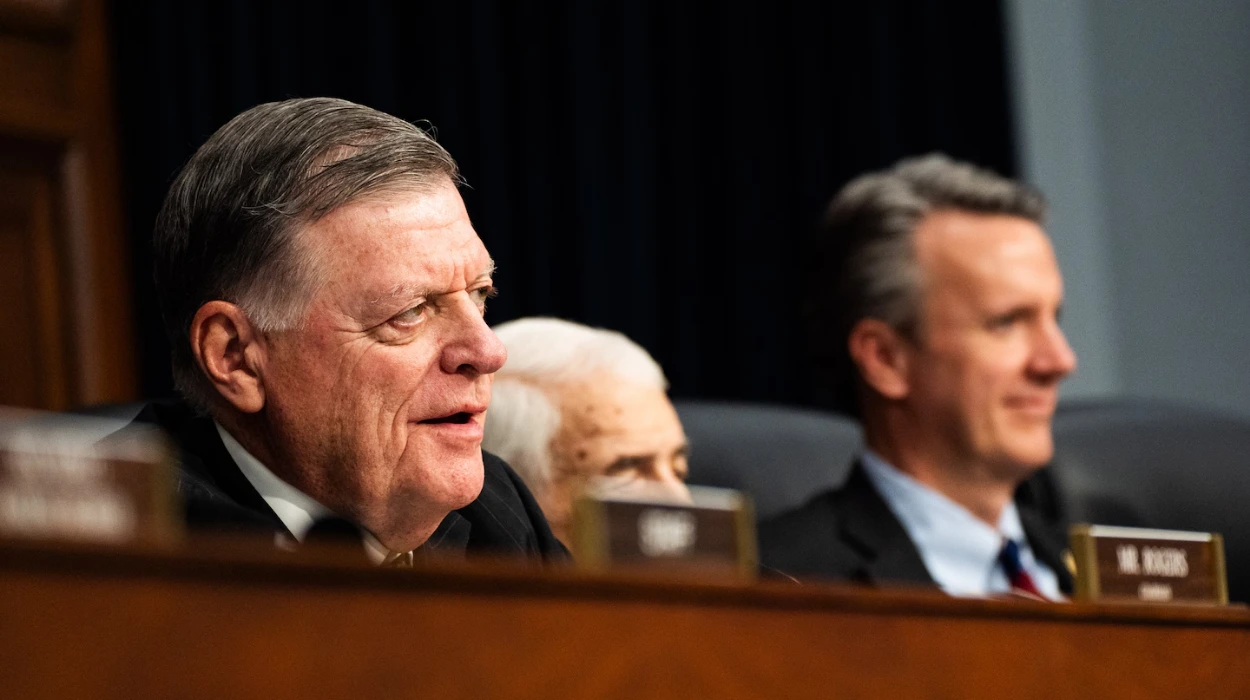

- Bipartisan Funding Agreement Reached: US Congress advanced a government funding bill after bipartisan negotiations on spending levels, combining a continuing resolution with full-year appropriations for select agencies to maintain operations at FY2025 levels.
- Timeline and Shutdown Avoidance: The measure heads to floor votes in House and Senate before the January 30, 2026 deadline, following a record 43-day shutdown resolved in November 2025 when President Trump signed prior funding.
- Key Provisions Included: Bill covers extensions for agriculture, health programmes, Legislative Branch ($7.3B), Military Construction-VA; includes anomalies for disaster relief, cybersecurity, and backpay for federal workers.
- Recent Appropriations Progress: January packages passed for Commerce-Justice-Science (House 397-28, Senate 82-15), Energy-Water, Interior-Environment; more bills pending to complete FY2026 funding.
- Legislative Momentum: House Speaker Johnson plans votes this week; reflects steady bipartisan effort post-November deal to stabilise government functions and prevent disruptions.
Washington (Washington Insider Megazines) January 20, 2026 – The US Congress has advanced a government funding bill to avert a federal shutdown. Lawmakers from both parties reached a tentative agreement on spending levels after weeks of negotiations. The measure now heads to floor votes in both chambers before the funding deadline.
The House Speaker announced the procedural progress on the continuing resolution late Monday evening. Senate leadership confirmed support for the measure following closed-door talks with President Trump’s administration officials. The bill maintains current government operations through March while allocating disaster relief funds.
Key Developments in Congressional Funding Negotiations
House Republican leadership released the text of the 1,200-page funding package shortly before midnight. The measure passed a key procedural vote in the House by 217-215, allowing debate to proceed. Senate Majority Leader confirmed the upper chamber would take up the bill Tuesday morning.
As reported by CNN’s Manu Raju, House Speaker Mike Johnson stated during floor remarks,
“This bill prevents a shutdown while securing our priorities on border security and defence spending.”
The narrow margin reflected conservative holdouts who sought deeper spending cuts.
Timeline of Shutdown Avoidance Efforts
 Credit: pbs.org
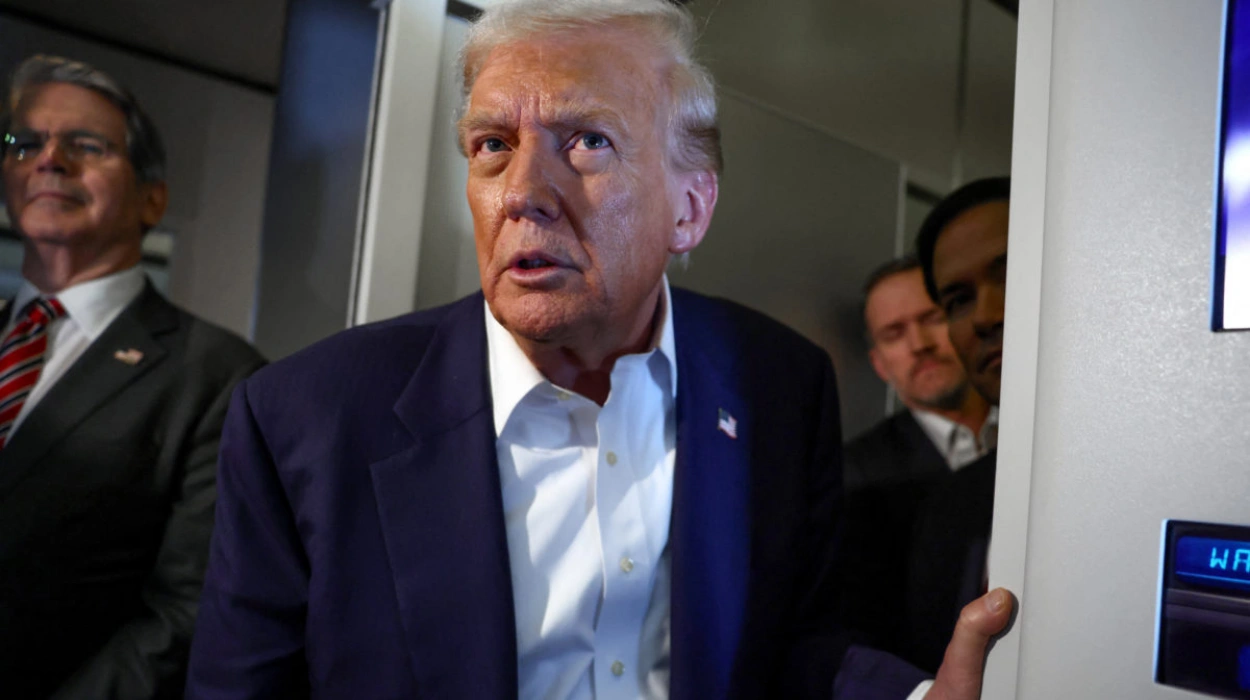
Negotiations intensified after President Trump urged Congress to act during his weekly address. The funding deadline approached amid stalled talks over supplemental aid packages. Bipartisan talks in the Senate Appropriations Committee produced the framework last Thursday.
The White House Office of Management and Budget reviewed the final text overnight. Speaker Johnson convened the House Rules Committee for a marathon session approving the rule for debate. Senators from both parties expressed confidence in passage before the midnight deadline.
Specific Provisions in the Funding Legislation
The bill provides $1.2 trillion in discretionary spending for fiscal year 2026 through March 15. It includes $12 billion for disaster relief following 2025 hurricane season impacts. Defence spending receives $850 billion while non-defence discretionary funding totals $770 billion.
Reuters correspondent David Morgan reported the measure allocates $10 billion for border wall construction and $5 billion for immigration enforcement. Agricultural subsidies extend through spring planting season. No debt ceiling increase appears in the package.
Statements from Congressional Leadership
House Minority Leader Hakeem Jeffries addressed reporters post-procedural vote. As quoted by The Washington Post’s Robert Costa, Jeffries said,
“Democrats secured protections for healthcare programmes and nutrition assistance in tough negotiations.”
Senate Minority Leader Chuck Schumer praised the compromise on social safety net funding.
Speaker Johnson emphasised fiscal restraint during the press conference. President Trump posted on Truth Social confirming support for the measure. Treasury Secretary praised the outcome during Fox News appearance.
Impact on Federal Government Operations
A shutdown would furlough 2.1 million federal civilian employees and halt non-essential services. National parks would close to visitors while air traffic control and border security continue. The Postal Service and military personnel remain funded through separate accounts.
The Treasury Department confirmed tax refunds would continue uninterrupted. Social Security payments proceed automatically. The funding bill maintains current staffing levels across 15 cabinet departments.
Role of Disaster Relief Appropriations
Hurricane recovery funding constitutes 25% of supplemental allocations. FEMA receives $8 billion for debris removal and housing assistance. The Army Corps of Engineers gains authority for infrastructure repairs in affected states.
As detailed by AP’s Andrew Taylor, wildfire suppression funding extends to western states. Flood mitigation projects receive accelerated approvals. The package consolidates multiple disaster declarations under single appropriations.
Bipartisan Negotiations Behind the Agreement
 Credit: Kent Nishimura/Getty Images
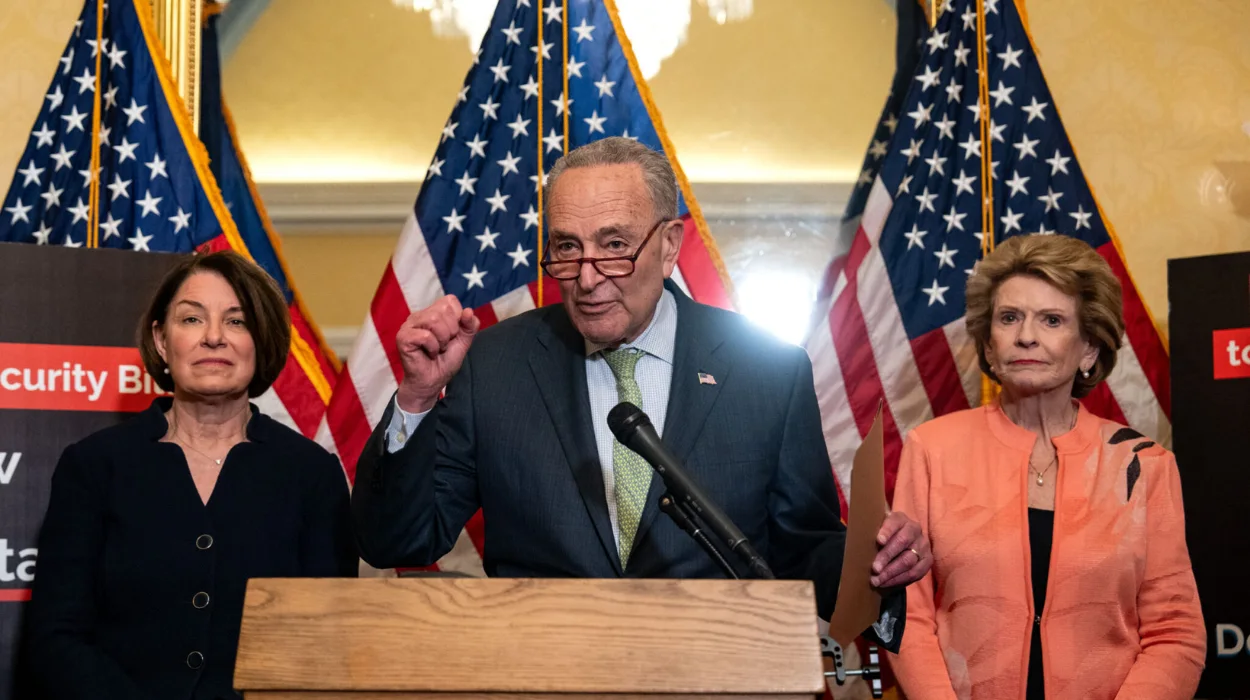
Appropriations Committee chairs from both chambers led closed-door sessions for three weeks. Rank-and-file members from border states influenced immigration provisions. Progressive Democrats secured commitments on clean energy tax credits.
The Senate Parliamentarian reviewed procedural compliance overnight. Leadership from both parties coordinated whip counts through early morning. Final text emerged after resolving objections from fiscal conservatives.
Statements from President Trump’s Administration
White House Press Secretary issued a statement welcoming congressional action. As reported by Axios’ Alexi McCammond, the release noted,
“President Trump commends Congress for delivering responsible funding without radical left-wing policies.”
Commerce Secretary highlighted manufacturing provisions during CNBC interview.
OMB Director confirmed the package aligns with administration priorities. Senior Advisor Stephen Miller commented on border security enhancements to Breitbart News.
Procedural Path in House and Senate
The House schedules three hours of debate before final passage vote targeted for late afternoon. Speaker Johnson filed the rule setting amendment parameters. Democrats plan manager’s amendment addressing veterans’ benefits.
Senate Leader schedules cloture vote clearing 60-vote threshold for final passage. Vice President chairs session if tie occurs. Conference committee stands ready if amendments emerge.
Economic Implications of Continued Funding
Wall Street futures rose pre-market following the procedural success. The Congressional Budget Office projects $50 billion deficit impact for remainder of fiscal year. Bond yields stabilised after weeks of volatility tied to shutdown risks.
Federal Reserve officials monitored developments closely. Market analysts noted reduced uncertainty benefits corporate planning. Credit rating agencies affirmed stable outlook post-agreement.
Historical Context of Recent Shutdown Threats
Congress passed four continuing resolutions since October 2025. The most recent extended funding through 20 January. Prior shutdown lasted 35 days ending January 2025.
Negotiations followed familiar patterns with defence and border security consistently prioritised. Bipartisan budget agreement from 2024 set topline spending caps guiding current talks.
Agency-Specific Funding Details
Department of Homeland Security receives $52 billion including $20 billion for Customs and Border Protection. Health and Human Services gains $116 billion maintaining Medicaid expansion. Department of Education funding holds steady at $79 billion.
Transportation Department allocations support FAA operations and highway trust fund transfers. NASA receives $25 billion continuing Artemis programme milestones.
Public and Stakeholder Reactions
Chamber of Commerce president issued statement praising avoidance of economic disruption. AARP executive director welcomed senior programme protections. Farm Bureau president highlighted agricultural relief provisions.
National Treasury Employees Union president noted membership relief over pay continuity. Government Accountability Office confirmed compliance with anti-deficiency laws.
Next Steps After Congressional Passage
President Trump anticipates signing ceremony Wednesday morning. Agencies receive formal apportionments within 30 days of enactment. Performance metrics track spending against congressional directives.
Future funding discussions target March 15 deadline. Appropriations committees begin work on 12 regular bills. Leadership signals intention to complete full-year budget before summer recess.
Oversight and Accountability Measures
Congressional Budget Office provides monthly spending trackers. Inspectors general across agencies monitor compliance. Government Accountability Office audits high-value contracts.
The package includes 45 reporting requirements on spending execution. House Oversight Committee schedules first hearing on implementation next week.