
- USS
Abraham Lincoln Deployment: The US deployed the USS Abraham Lincoln
carrier strike group to the Middle East on January 25, 2026, enhancing
military presence near the Persian Gulf amid Iranian protests and
threats. - Trump’s
Warnings to Iran: President Donald Trump cautioned Iran against
provocations, linking rhetoric to protest crackdowns and directing
military options preparation. - Iranian
Retaliation Vows: Tehran warned of countering any US aggression; IRGC
increased Gulf patrols while blaming external actors for unrest. - Regional
Military Buildup: US activated Patriot systems in Gulf states,
repositioned B-52s; allies elevated alerts as Iranian missile drills
responded to carrier arrival. - Linked
Crises Context: Tensions tie to Iran’s 6,000+ protest deaths (activists)
vs 3,100 official toll, rial collapse, and internet blackout hampering
verification.
Washington (Washington Insider Megazine) January 27, 2026
– The United States and Iran have intensified verbal exchanges amid deployment
of the USS Abraham Lincoln aircraft carrier to the Middle East. President
Donald Trump warned Iran against further provocations, while Tehran vowed
retaliation for any aggression. The carrier strike group positions enhance US
military presence near the Persian Gulf region.
The USS Abraham Lincoln, accompanied by destroyers and
cruisers, arrived in the US Central Command area on January 25, 2026. Pentagon
officials confirmed the deployment responds to Iranian threats and regional
instability linked to ongoing protests. Iranian state media reported the
carrier’s approach, framing it as preparation for potential conflict.
USS Abraham Lincoln Deployment Details
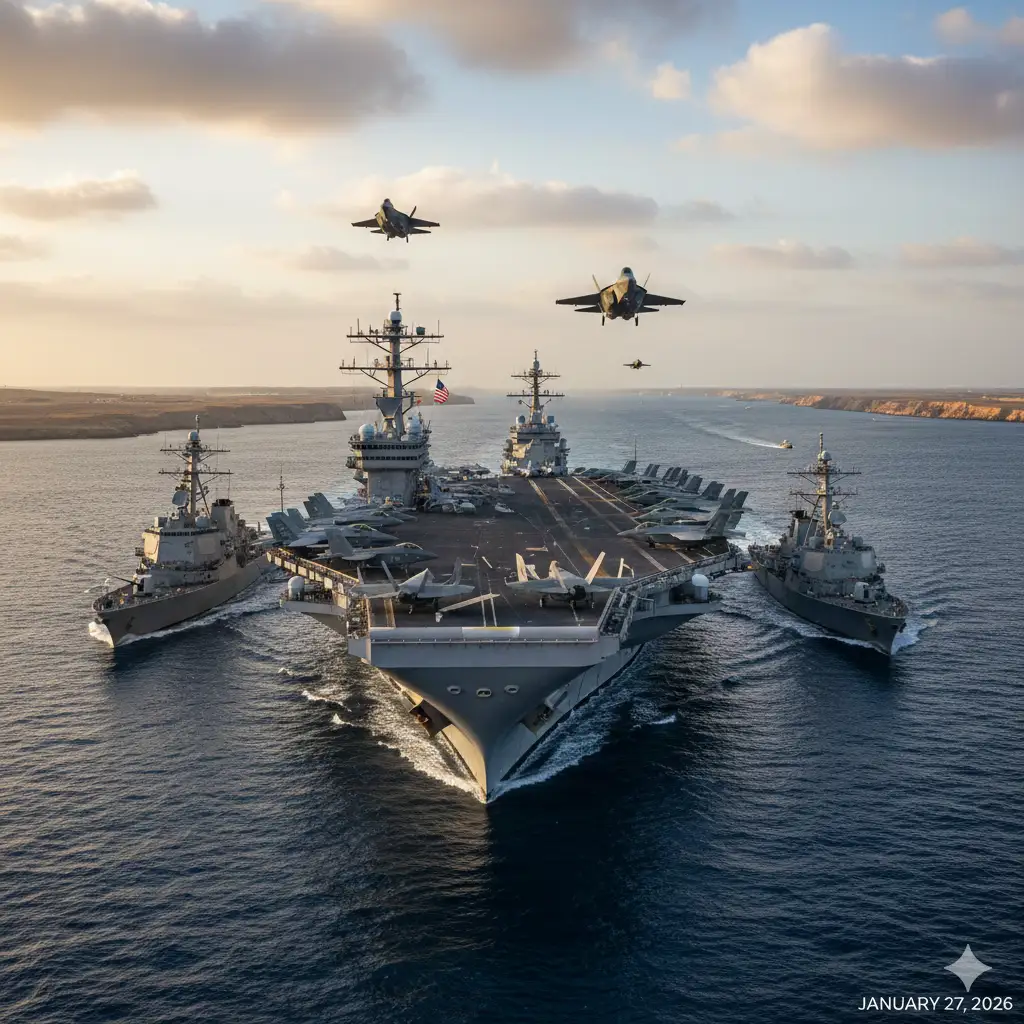
The carrier strike group includes the USS Abraham Lincoln
(CVN-72), carrying over 60 aircraft including F-35C jets and helicopters.
Accompanying vessels comprise guided-missile destroyers USS Spruance and USS
Michael Murphy, plus cruiser USS Mobile Bay. The group operates under US Fifth
Fleet in Bahrain, capable of sustained air operations.
Pentagon spokesperson stated the deployment provides
“credible deterrence” without specifying timelines. Flight operations
commenced immediately upon arrival, with sorties supporting maritime security
missions. Carrier capacity supports 5,000 personnel across the group. Iranian
naval forces monitored the transit through the Strait of Hormuz.
President Trump’s Statements on Iran
President Trump addressed the situation from the White
House, stating Iran must cease “illegal activities” or face
consequences. He referenced recent protest crackdowns, claiming US support for
Iranian demonstrators seeking freedom. Trump directed military planners to
prepare options, emphasising strength deters aggression.
During a cabinet meeting, Trump received briefings on
carrier positioning relative to Iranian missile ranges. He reiterated
“maximum pressure” policy, linking rhetoric to economic sanctions and
military readiness. Administration officials coordinated with Gulf allies on
joint defence protocols.
Iranian Leadership Responses and Warnings
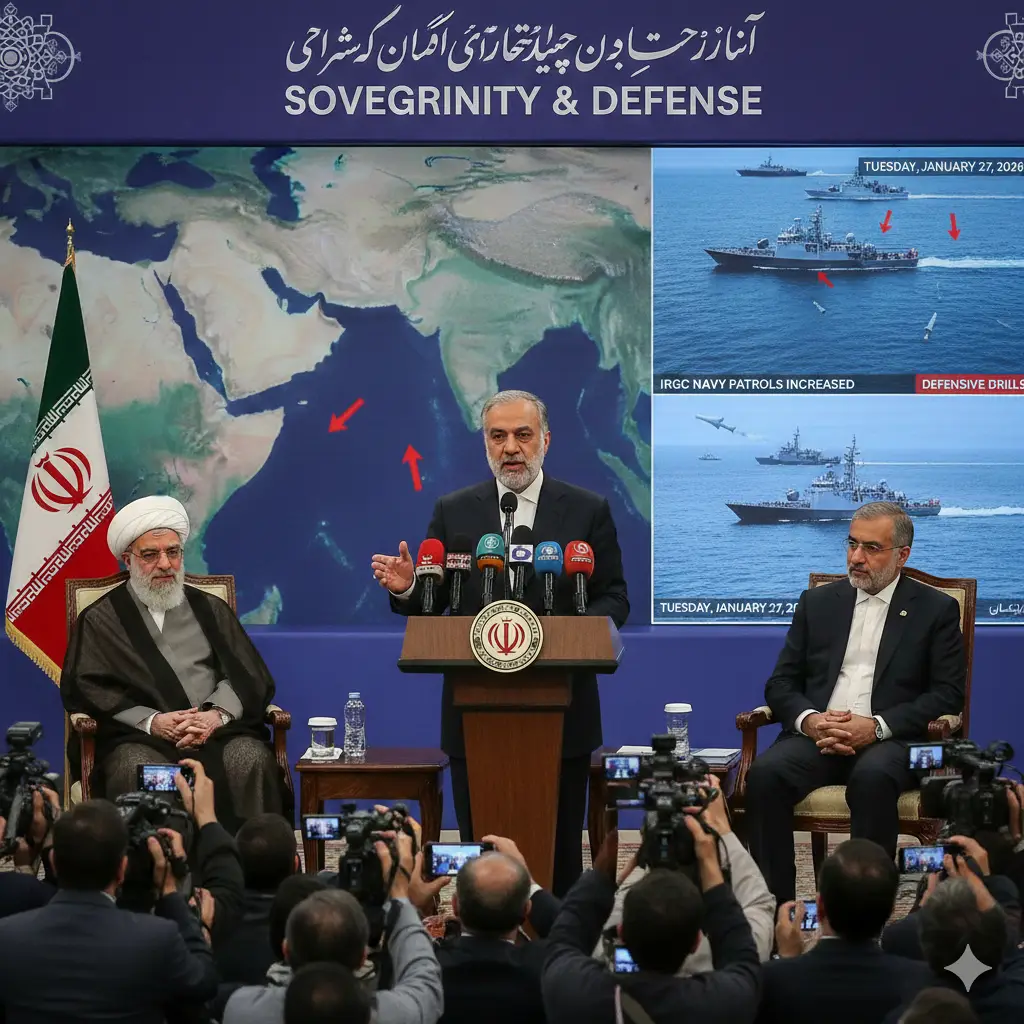
Iranian President Masoud Pezeshkian warned the US against
military intervention, stating Tehran possesses capabilities to counter any
attack. Supreme Leader Ali Khamenei termed US deployments “psychological
warfare” aimed at domestic audiences. Foreign Minister Abbas Araghchi
summoned the Swiss ambassador, protecting power interests, to protest carrier
movements.
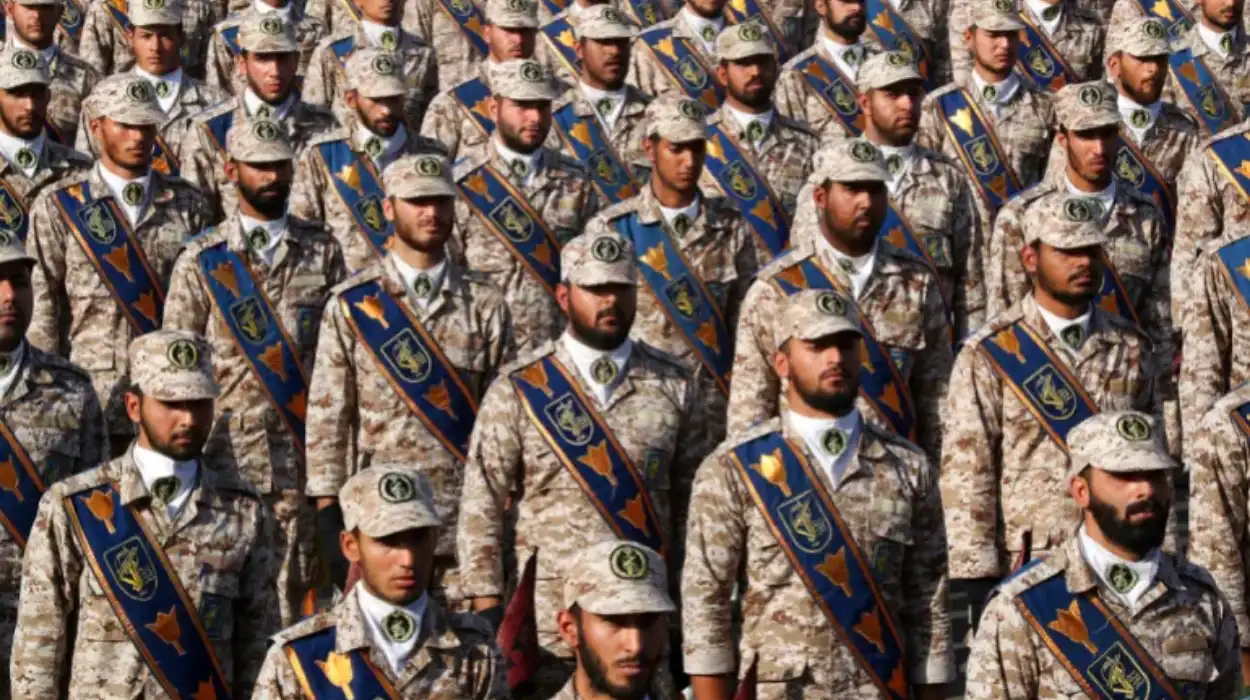
Islamic Revolutionary Guard Corps (IRGC) Navy Commander
Alireza Tangsiri announced increased patrols in the Gulf. State television
broadcast drills simulating responses to carrier incursions. Iranian officials
tied rhetoric to sovereignty claims over regional waters and airspace.
Context of Ongoing Iranian Protests
Deployments coincide with Iranian protests reporting over
6,000 deaths per activists, contrasted by official figures of 3,100 mostly
security personnel. Verified footage shows hospital bodies and security forces
firing on crowds during an internet blackout. HRANA documented 633 confirmed
fatalities since late December 2025.
US statements frame military posture as support for
protesters, though no direct intervention announced. Iranian authorities blame
external actors for unrest, without evidence. Blackouts since January 8 limit
external verification of developments.
Regional Military Posture Enhancements
US Central Command activated additional Patriot batteries in
Saudi Arabia and UAE. B-52 bombers repositioned to Diego Garcia, within strike
range. Tanker aircraft surged to support extended operations. Gulf Cooperation
Council states elevated alert statuses.
Israel coordinated defence postures, sharing intelligence on
Iranian missile threats. Joint Patriot-THAAD systems cover key facilities.
British and French naval assets patrol Arabian Sea approaches. Turkish bases
host US rotational forces for rapid response.
Economic Dimensions and Currency Impact
Iranian rial reached record lows against the dollar amid
protests and sanctions. Black market rates exceeded 1,000,000 rials per USD.
Central Bank interventions failed to stabilise, with inflation surpassing 50
per cent. Gulf oil markets monitored tensions for price impacts.
US Treasury intensified secondary sanctions targeting
IRGC-linked entities. European firms divested Iranian contracts under
compliance pressures. SWIFT restrictions limited financial transactions. Indian
refineries sought alternative crude sources.
Diplomatic Channels and International Reactions
UN Secretary-General called for de-escalation, urging
dialogue. Russia condemned US deployments as provocative. China urged
restraint, protecting energy imports. IAEA monitored nuclear sites amid
tensions.
Qatari mediators offered Doha as venue for indirect talks.
Oman hosted technical discussions on shipping safety. European foreign
ministers issued joint statement favouring diplomacy. Arab League affirmed Gulf
security cooperation.
Historical Precedents of Carrier Deployments
USS Abraham Lincoln previously deployed to the region in
2019 amid tanker attacks. 2020 presence followed Soleimani strike. Carriers
provide command centres for air campaigns, as during 2003 Iraq operations.
Iranian fast boat swarms challenge carrier defences.
Strike groups maintain 30-day endurance on station, rotating
air wings. Ballistic missile threats necessitate layered Aegis protections. ASW
helicopters counter submarine risks from IRGC fleets.
Technical Capabilities of Lincoln Strike Group
Abraham Lincoln features nuclear propulsion for unlimited
range, speed exceeding 30 knots. Air wing comprises Carrier Air Wing 9 with
F-35C stealth fighters, EA-18G Growlers, MH-60R Seahawks. Destroyers equip SM-6
missiles, Tomahawks. E-2D Hawkeyes provide surveillance.
Defensive systems include SeaRAM, Phalanx CIWS, electronic
warfare suites. Group integrates with constellation of satellites, drones for
battlespace awareness. Cyber defence teams counter Iranian hacking attempts.
Statements from Military Commanders
US Fifth Fleet Commander Vice Admiral confirmed operational
readiness, stating mission focuses on freedom of navigation. IRGC Aerospace
Force showcased new hypersonic missiles within carrier range. CENTCOM General
briefed Congress on force posture options.
Joint Chiefs Chairman detailed sustainment plans for
prolonged presence. NATO allies offered logistical support from Mediterranean
bases. Gulf air forces conducted trilateral exercises simulating threat
responses.
Impact on Global Energy Markets
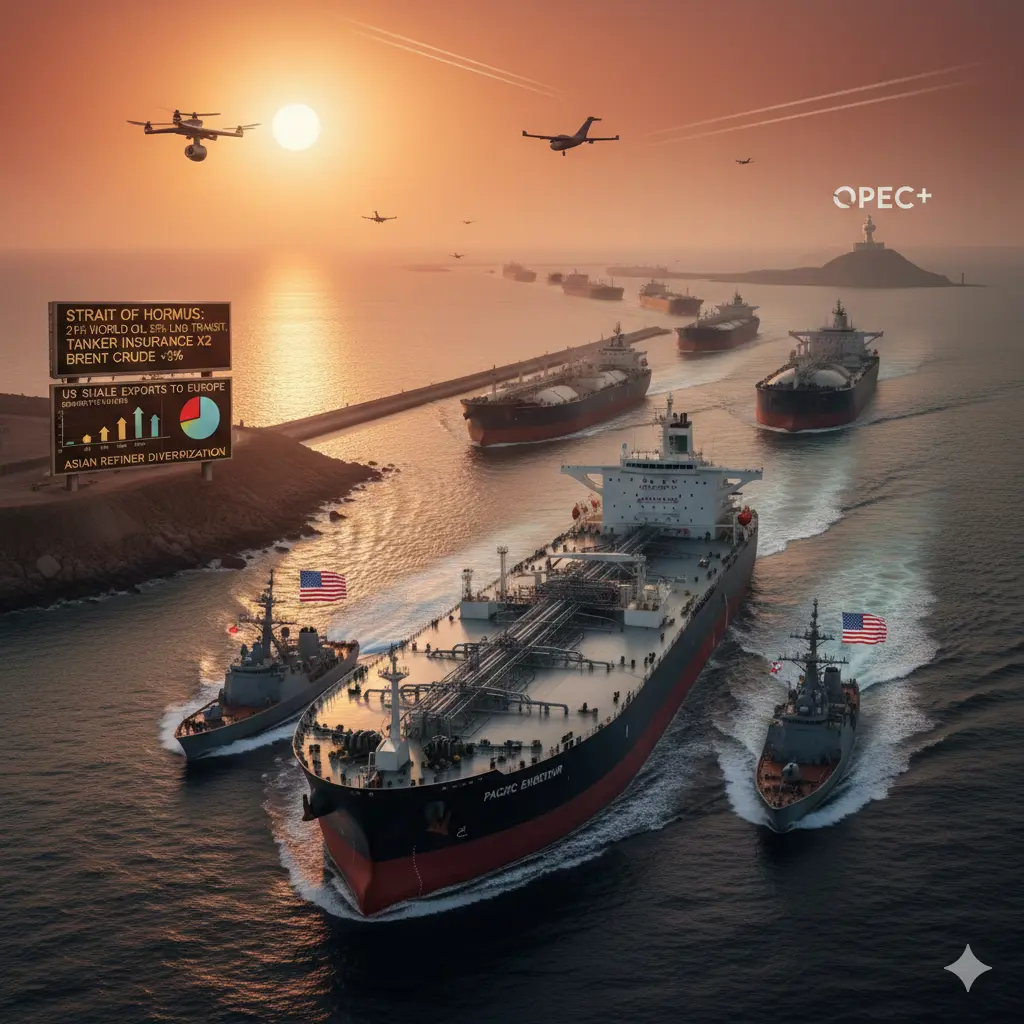
Strait of Hormuz transits 21 per cent of world oil, 25 per
cent LNG. Tanker insurance rates doubled amid rhetoric. OPEC+ monitored spare
capacity for disruptions. Brent crude rose three per cent on deployment news.
US shale producers increased exports to Europe. Asian
refiners diversified suppliers. Pipeline flows from Kirkuk to Ceyhan
accelerated.
Media Coverage and Public Discourse
CNN aired
carrier arrival footage from Iranian drones. Fox News highlighted Trump
warnings. Al Jazeera broadcast IRGC drills. BBC verified protest videos linking
to tensions. Social media amplified rhetoric clips.
Think tanks published posture assessments. Pundits debated
strike probabilities. Stock markets dipped on risk premiums.
Congressional and Allied Coordination
Senate Foreign Relations Committee scheduled Iran hearings.
House Armed Services reviewed deployment funding. UK Parliament debated Middle
East commitments. French National Assembly approved naval reinforcements.
Gulf defence ministers convened virtually. Israeli Knesset
addressed missile defence budgets