- Grid Planning Reforms Implemented: California regulators overhauled rules requiring utilities to incorporate pending electrification loads like EVs and building upgrades into forecasts using scenario-based modelling and diverse data sources.
- Proactive Investment Framework: Utilities PG&E, SCE, and SDG&E must plan transmission expansions (35 GW by 2040) and storage (45 GW target) while protecting affordability through demand flexibility and integrated upgrades.
- Modernisation Achievements: Shift to data-driven hot spot identification, production cost models like PLEXOS, and electrification-ready distribution replaces reactive approaches, positioning California as a national leader.
- Construction Challenges Ahead: Permitting delays (7-year average), CEQA litigation, supply chain bottlenecks, and labour shortages hinder execution despite $150B capex plans and regulatory fast-tracks.
- Regional Priorities and Metrics: Northern PATHWAY 15, desert solar clusters, offshore wind integration target 60% renewables by 2030; losses drop to 4%, with equity contracts and compliance oversight.
Sacramento (Brussels Morning Newspaper) January 20, 2026 – California regulators have overhauled grid planning rules to incorporate pending electrification loads and scenario-based forecasting. Utilities must now use diverse data sources for proactive investments while protecting customer affordability. The framework positions the state to deliver reliable clean energy, though execution remains the next critical phase.
California's clean energy transition has reached a pivotal stage where grid planning determines success in electrification efforts. State regulators implemented reforms allowing utilities to forecast based on real-world data including customer electrification projects under development.
This shift moves away from reactive planning toward proactive infrastructure upgrades supporting EVs, building electrification, and distributed energy resources.
The California Public Utilities Commission directed Pacific Gas and Electric, Southern California Edison, and San Diego Gas & Electric to include electrification hot spots in their models. These areas show clear emergence of building and transportation electrification, enabling better alignment of grid investments with actual demand patterns.
December 2025 decisions introduced flexibility for third-party studies and pending loads previously excluded from forecasts.
EDF Energy Transition @EDFEnergyEX said in X post, "California has modernized grid planning to match real electrification demand – shifting utilities toward data-driven forecasts, scenario planning and proactive investment that protect affordability while accelerating the clean energy transition. Read more here
California has modernized grid planning to match real electrification demand – shifting utilities toward data-driven forecasts, scenario planning and proactive investment that protect affordability while accelerating the clean energy transition.
— EDF Energy Transition (@EDFEnergyEX) January 20, 2026
Read more here ⬇️…
Scenario-Based Forecasting Replaces Single Projections
 Credit: mdpi.com
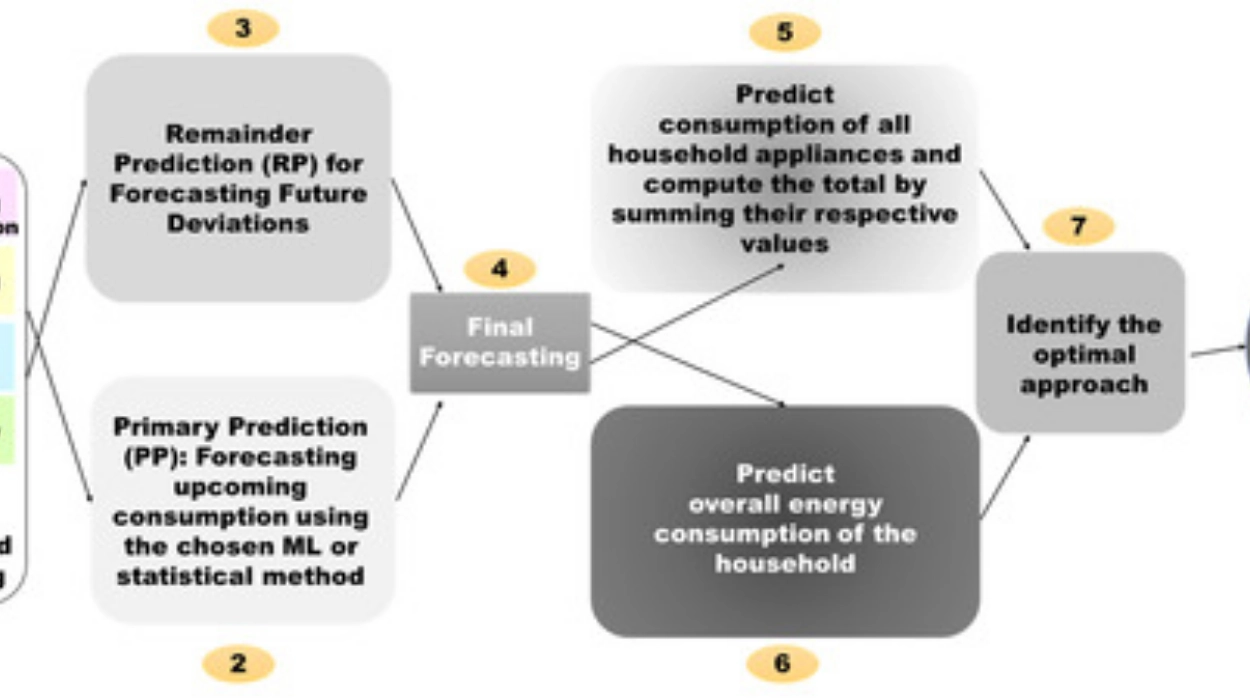
Regulators mandated utilities evaluate low, medium, and high load growth scenarios rather than a single forecast. This approach confronts uncertainty from rapid electrification while optimising transmission and distribution investments. Production cost models now simulate multiple futures through 2045, identifying flexible capacity needs for renewable integration.
Utilities released draft studies in October 2025 examining electrification impacts with demand flexibility options. Managed EV charging, demand response, and distributed resources spread fixed grid costs over more kilowatt-hours, lowering ratepayer impacts. Early results show flexible demand significantly reduces peak capacity requirements compared to unmanaged growth.
The California ISO's 2024-2025 Draft Transmission Plan recommends 31 projects costing $4.8 billion, with 28 focused on reliability and load growth. Advanced conductors provide cost-effective capacity upgrades without full rebuilds. CAISO Vice President Neil Millar highlighted collaboration with partners for clean energy delivery.
Integrated Planning Reduces Duplicative Construction Costs
 Credit: mdpi.com
CPUC required utilities to integrate capacity upgrades with routine distribution work. When replacing aging transformers or conductors, utilities assess modest upsizing to accommodate future loads, avoiding separate projects later. Black & Veatch research commissioned by EDF confirms proactive planning often proves most economical long-term.
For example, standard transformer replacements without load growth consideration lead to duplicate expenses when electrification materialises. The directive aligns safety, reliability, and electrification objectives, optimising limited workforce resources. Utilities filed initial proposals, with EDF advocating improvements through ongoing Commission engagement.
Grid modernisation projects like Palo Alto's replace 1,413 pole-top transformers with higher-capacity units and upgrade 296,300 circuit feet of conductors. These changes enable 100% electrification of end uses while meeting decarbonisation goals. Similar efforts statewide target distribution system readiness for pending loads.
Regulatory Framework Supports Rapid Clean Energy Deployment
December 2025 CPUC actions allow pending electric demand in forecasts, including EV charging and building projects still developing. Electrification hot spots grant utilities discretion for proactive data incorporation, reducing last-minute upgrades. This framework supports Senate Bill 100 clean energy mandates and AB 525 offshore wind targets.
Annual Integrated Resource Plan cycles incorporate public input, tribal consultations, and environmental justice metrics. CEQA assessments mitigate impacts for 150+ transmission projects. Federal coordination qualifies interstate lines for Inflation Reduction Act incentives totalling billions.
CPUC President Alice Busching Reynolds affirmed the plans position California as a national leader. CAISO CEO Elliot Mainzer noted modelling sophistication matching leading regional operators. Investor presentations project $150 billion capex through 2040 to achieve 90% carbon-free power by 2035.
Challenges Transitioning from Planning to Construction
 Credit: sciencedirect.com
Permitting delays average seven years per major project, with CEQA litigation stalling 40% of lines. Supply chain issues extend HVDC transformer lead times beyond 36 months. Domestic content requirements raise costs 25% above global prices, while 5.25% interest rates burden ratepayer financing.
Wildfire mitigation consumes $3 billion annually in vegetation management, diverting operations budgets. CPUC rate cases limit ROE at 10.25%, constraining equity raises amid inflation. Nationwide lineman shortages reach 12,000, per IBEW estimates.
Governor Newsom's executive order fast-tracks 12 shovel-ready projects under SB 94, bypassing CEQA for shorter lines. CEC's $500 million permitting accelerator supports transmission applicants. CPUC performance-based ratemaking links incentives to in-service dates.
Regional Infrastructure Priorities and Capacity Targets
Northern California PATHWAY 15 upgrades deliver 4 GW renewables to Silicon Valley. Bay Area microgrids reach 2 GW for heatwave reliability. Central Valley interties double SunRise Powerlink capacity.
Southern deserts host 10 GW solar-plus-storage feeding LA via West of Devers. Central Coast windports process 2 GW offshore cabling. Imperial Valley exports 3 GW to Arizona in coordinated Southwest planning.
Interregional HVDC overlays span 500 miles at 525kV, cutting congestion losses by $1.2 billion yearly. Urban undergrounding covers 1,000 wildfire-prone miles. Plans project 60% renewables by 2030 from current 40%, with storage expanding from 12 GW to 45 GW.
Stakeholder Engagement Drives Plan Refinements
Clean energy groups praise IRP rigour while pressing for acceleration. Sierra Club notes community benefits in 80% of plans. Utility Dive reports ROE uplift requests for offshore risks.
Tribal nations secure revenue shares from projects crossing sovereign lands. Agricultural interests endorse variance power purchases avoiding irrigation curtailments. Ratepayer advocates examine $0.12/kWh impacts by 2035.
National labs benchmark California IRPs as top-tier globally. DOE's Transmission Planning Study cites the state as a model. Western Energy Imbalance Market adds 5 GW flexibility, with 15 GW exports to Mexico.
Progress Metrics and Compliance Oversight
Transmission losses fall from 6% to 4% via efficiency gains. Reliability targets 99.99% SAIDI matching pre-2020 levels. Levelised transmission costs hold at $25/MWh versus national $35/MWh.
Equity allocates 40% contracts to diverse suppliers. Annual CPUC filings track milestones with delay penalties. Legislative committees review quarterly dashboards; independent auditors verify capex.
The planning framework supports electrification affordability and reliability. Regulators and utilities must now implement rigorously to deliver clean energy infrastructure meeting state goals.