
UK (Washington Insider) – The UK government launched a
BBC Charter Review consultation until March 10, 2026. Key themes are licence
fee reform, trust, funding, and the BBC’s role. Tim Davie urges public input.
As Julian Clover reported on BraosbandTV, the UK government
has opened a consultation on the BBC Charter Review. It is considering changes
to the licence fee, but not a complete overhaul. A Green Paper published today,
Dec 16, 2025, sets out several options for reform.
Currently, the fee applies mainly to households that watch
live television. The government is exploring whether other services or
activities should also require a licence. Officials said they are “keeping an
open mind” about which types of media use could trigger the fee.
What changes is the UK government considering for the BBC
Charter and licence fee?
Officials mentioned that the Green Paper also clarifies what
is not being considered.
The government is not planning to replace the licence fee with general
taxation. It is not looking at a new household tax or fees on streaming
services like Netflix or Amazon Prime Video. Leaving the licence fee unchanged
is also an option.
The UK government has started a review of the BBC Charter as
the current Charter is set to expire on December 31, 2027. The review will
decide the BBC’s mission, how it is run, and how it is funded in the future.
A new Charter is expected to begin on January 1, 2028.
Ministers said responses to the consultation will help shape a White Paper, due
in 2026. After that, a draft Charter will be published and debated in
Parliament. The process is meant to give both the public and lawmakers a clear
say in the BBC’s future direction.
The Department for Digital, Culture, Media and Sport (DCMS)
has set out 3 main themes for the review. The first is trust and
accountability, focusing on governance and public confidence in the BBC. The
second is long-term funding. The third is the BBC’s role in supporting the
wider economy, including growth and jobs across all nations and regions.
The proposals include changes to the government’s role in
board appointments, updates to the BBC’s Mission and Public Purposes—possibly
giving “accuracy” the same importance as impartiality—and new responsibilities
on countering misinformation, improving media literacy, and strengthening
workplace conduct. A public consultation has been launched to gather views on
the Green Paper and future plans for the BBC. It is open until 11:59 pm on
March 10, 2026.
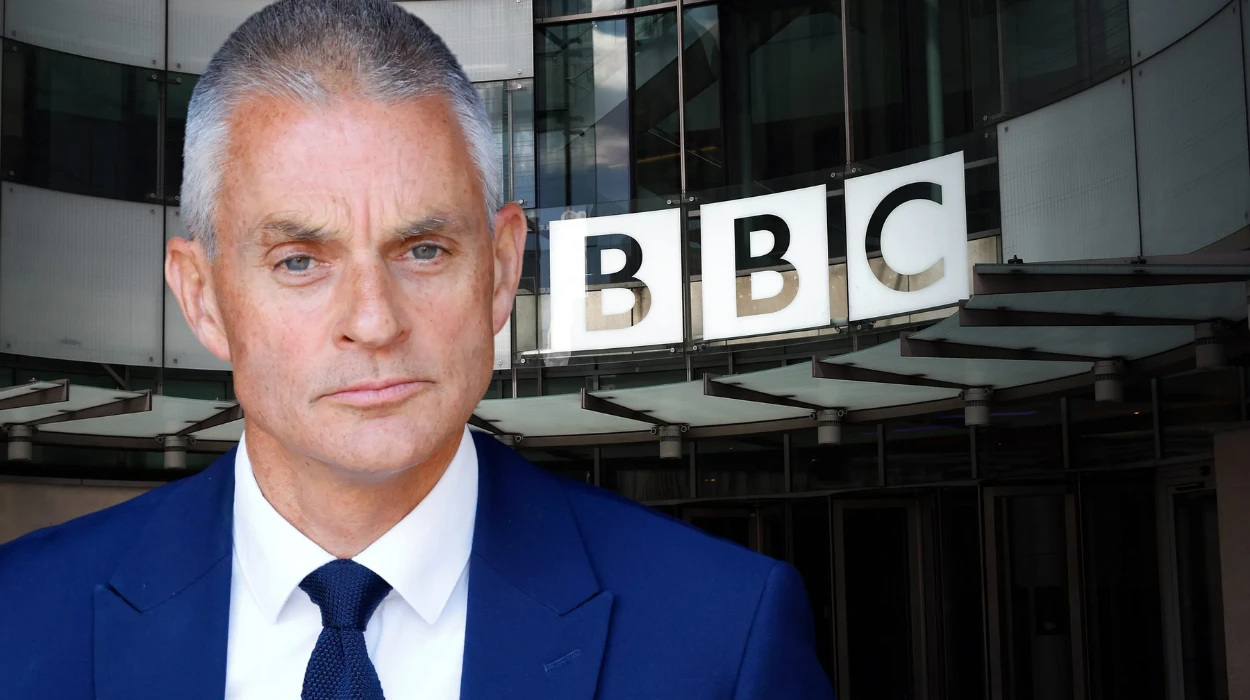
BBC Director-General Tim Davie said:
“We welcome the publication of the Government’s
Green Paper and the start of the public consultation on the future of the BBC. We
urge everyone who cares about the success of the UK’s world-leading creative
industries to have their say.
We want to secure a public service BBC that is
independent, sustainably funded for the long term, and meets our audience’s
needs.”
The BBC Charter sets the rules for how the BBC works,
including its mission, governance, and funding through the licence fee. The
current Charter started on January 1, 2017. The last review in 2015 led to
changes such as free licences for over-75s and updates to the board structure.
The BBC gets most of its money from the licence fee, which has often been
debated.