
Summary
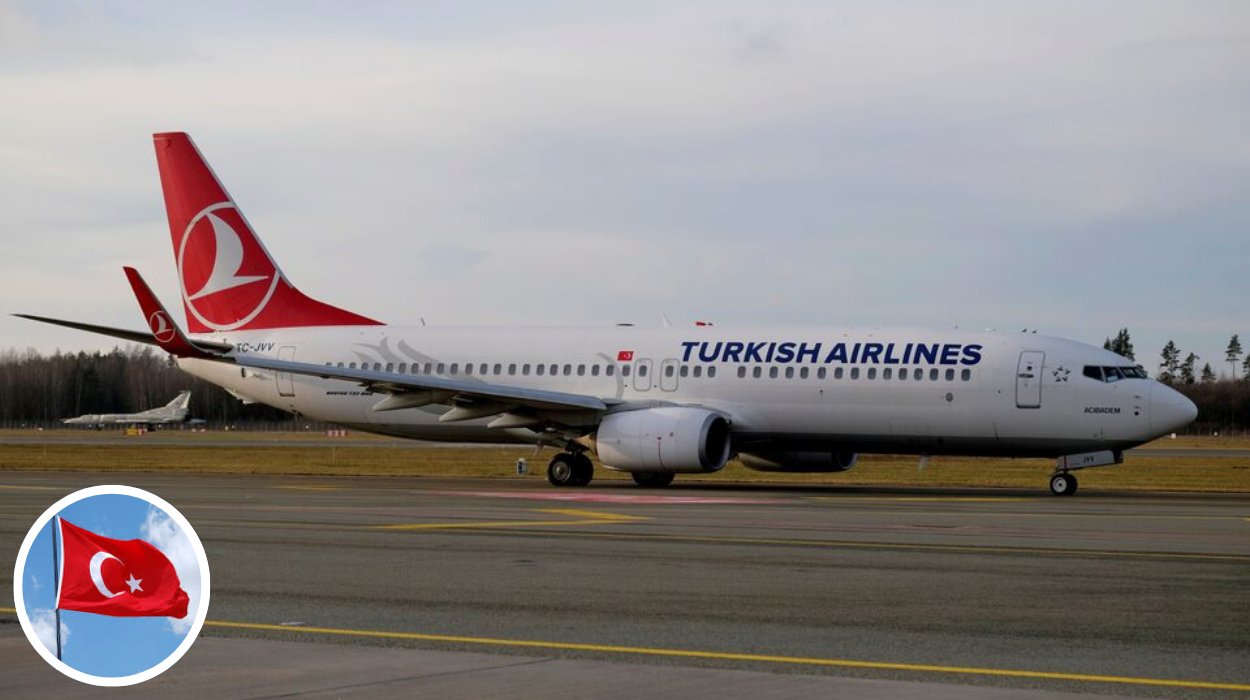
- Turkish
Airlines is set to submit a binding offer to acquire Spain’s Air Europa. - The
move aims to strengthen Turkish Airlines’ position in the European market. - Air
Europa has faced financial difficulties in recent years, exacerbated by
the COVID-19 pandemic. - Turkish
Airlines plans to expand its network and leverage Air Europa’s routes. - The
transaction signals increased consolidation in the European airline
industry. - Turkish
Airlines and Air Europa have not disclosed details on financial terms or
timeline for the deal. - Regulatory
approvals will be needed before the acquisition is completed.
This development is a significant milestone for Turkey’s
aviation sector, underscoring Turkish Airlines’ ambition to strengthen its
global presence and expand its influence in Europe and beyond. As Turkey
continues to position itself as a key aviation hub bridging East and West, the
potential acquisition of Spain’s Air Europa represents a strategic move to
enhance connectivity, increase passenger traffic through Istanbul, and boost
Turkey’s role in international air travel. This deal not only reflects Turkish
Airlines’ growth strategy but also highlights Turkey’s expanding importance in
the competitive global airline industry.
What is the significance of Turkish Airlines’ binding offer
for Air Europa?
Turkish Airlines is preparing a binding offer to acquire
Spain’s Air Europa, marking a significant move in the competitive European
aviation sector. This acquisition is expected to bolster Turkish Airlines’
footprint in Europe by integrating Air Europa’s network into its own
operations. According to various market analysts, this deal could strengthen
Turkish Airlines’ connectivity and competitiveness as it seeks to expand beyond
its traditional markets.
Why is Turkish Airlines interested in Air Europa?
Air Europa’s extensive network within Spain and its European
and Latin American routes presents a strategic opportunity for Turkish
Airlines. The Spanish carrier has grappled with financial difficulties
recently, including liquidity problems worsened by the COVID-19 crisis which
severely affected air travel globally. Turkish Airlines views acquiring Air
Europa as a way to consolidate market presence, diversify routes, and
capitalize on Air Europa’s established traffic flows between Europe and Latin
America.
Air Europa has struggled financially for several years,
experiencing operational strains and cash flow issues that were compounded by
the pandemic’s impact on travel demand. These challenges prompted the airline
to seek a buyer to secure its future viability. Industry media reports
highlight that Air Europa’s potential acquisition is a critical step towards
stabilizing its operations and sustaining its route network.
What are Turkish Airlines’ plans post-acquisition?
While Turkish Airlines has not publicly detailed its
specific plans, aviation experts anticipate an integration of Air Europa’s
routes into Turkish Airlines’ global network. This would enhance the transit
possibilities for passengers traveling between Europe, Asia, and the Americas
via Istanbul, Turkish Airlines’ central hub. The consolidation could also lead
to operational synergies, cost savings, and improved service offerings for
customers.
When will the acquisition process be completed?
There has been no official timeline for the completion of
the acquisition. The offer by Turkish Airlines is binding, which indicates a
serious commitment, but the deal is subject to regulatory approvals in Spain,
the European Union, and potentially other jurisdictions. These processes
typically take several months and involve detailed scrutiny of competition and
market effects.
The prospective Turkish Airlines-Air Europa deal reflects a
wider trend of consolidation in the global airline industry. Airlines worldwide
have pursued mergers, acquisitions, and partnerships to reduce costs, improve
efficiencies, and navigate a highly competitive market environment reshaped by
the COVID-19 pandemic. This move aligns with Turkish Airlines’ strategy to
become a preeminent player connecting continents.
What have Turkish Airlines and Air Europa said about the
deal?
Neither Turkish Airlines nor Air Europa have publicly
disclosed detailed comments about the terms or timeline of the offer. Corporate
communications have acknowledged that discussions are ongoing and that any
transaction would comply with relevant legal frameworks and requirements. This
news continues to develop as regulatory bodies evaluate the potential
implications and as Turkish Airlines and Air Europa finalize their corporate
and financial arrangements.
What Could Turkish Airlines Gain from This Acquisition?
The acquisition of Air Europa offers Turkish Airlines a
substantial opportunity to enhance its strategic position in the highly
competitive European and transatlantic markets. By absorbing Air Europa’s
extensive route network, Turkish Airlines can better connect passengers
traveling between Europe, Latin America, and Asia, leveraging Istanbul as a
global transit hub. This expansion not only increases passenger volumes but
also diversifies revenue streams, potentially improving operational resilience
in an evolving market. Furthermore, Turkish Airlines can capitalize on
potential cost synergies and increased bargaining power with suppliers, making
it a stronger competitor on the global stage.
What Are the Next Steps Following the Binding Offer?
Following the submission of the binding offer, both Turkish
Airlines and Air Europa will engage in complex negotiations to finalize the
deal’s terms. Regulatory authorities across Spain, the European Union, and
other jurisdictions will scrutinize the transaction to ensure compliance with
competition laws and assess its impact on the market. Stakeholders will also
monitor the integration process closely, given the operational challenges in
merging two distinct airline cultures and systems. The completion timeline
remains uncertain, but once done, the acquisition could mark a new chapter in
Turkey’s growing influence over international aviation and reshape competitive
dynamics across Europe and beyond.