
Summary
- Trump is optimistic Powell may lower interest rates.
- Rate cuts could boost economic growth amid inflation
concerns. - Lower rates risk asset bubbles.
- Fed decisions remain independent and upcoming.
- Markets watch closely for policy signals.
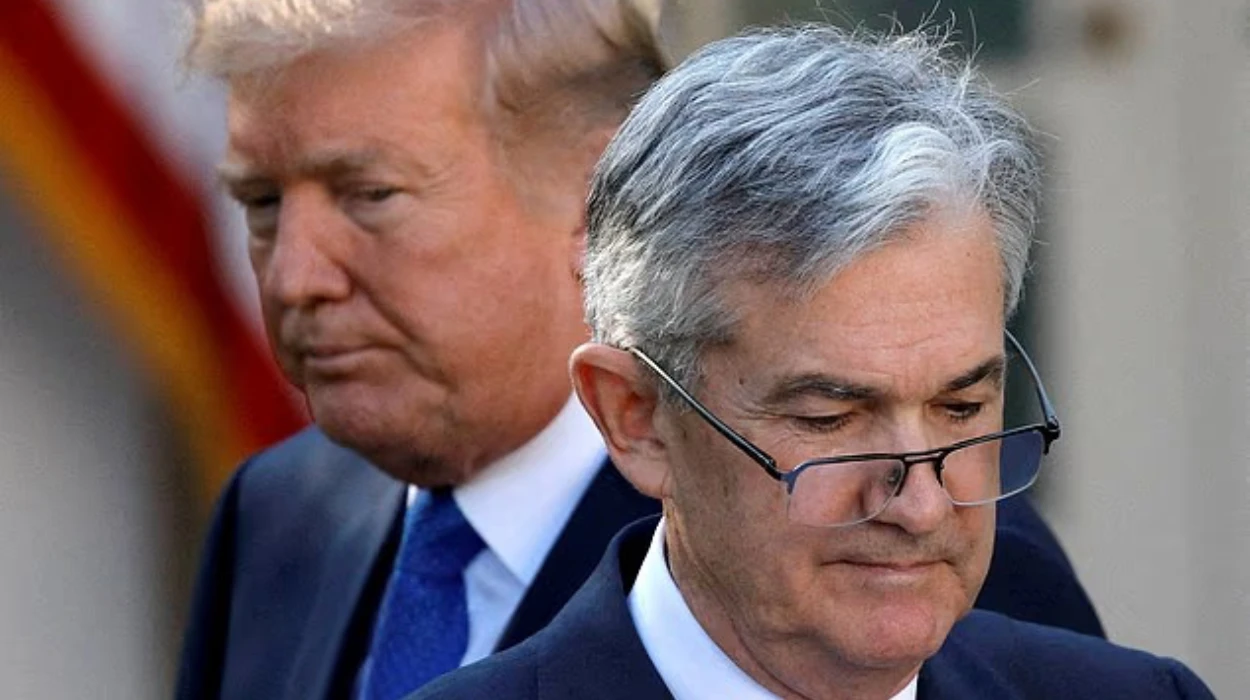
Trump’s rare visit to the US central bank on
Thursday brought the two men together as he saw the ongoing renovations to two
buildings at its headquarters in Washington, which the White House has
criticized for being excessively expensive.
During his visit, Trump and Powell argued about
the project’s true cost and Trump criticized the cost of refurbishing two
historic buildings at its headquarters.
“We had a very good meeting … I think we had a
very good meeting on interest rates,”
Trump told reporters on Friday.
On Friday, the central bank stated that it
“looked forward” to seeing the project through to completion and
expressed gratitude for Trump’s encouragement to finish renovating its
buildings in Washington.
Trump said he did not intend to remove Powell,
as he has repeatedly said he would, after calling Powell a “numbskull” earlier
this week for not complying with the White House‘s desire for a significant cut
in borrowing prices.
Trump referred to Powell as a “very good man” in
an interview with reporters on Friday.
At the end of a two-day policy meeting next
week, most economists predict that the central bank will maintain its benchmark
interest rate at 4.25 and 4.50 percent, rather than reducing it. Rate
decreases are stalled by tariffs.
Powell stated earlier this year that the central
bank might have been prepared to cut rates by now if it weren’t for Trump’s tariffs
and the resulting economic uncertainty.
The central bank has maintained rates at their
current level since December.
The visit comes as President Trump is expected
to meet UK Prime Minister Keir Starmer, where the two sides could potentially
approve an already announced trade deal, as trade negotiations with Canada
stall. Trump said his administration could set a tariff rate unilaterally on
Canada.
“We haven’t really had a lot of luck with
Canada. I think Canada could be one where there’s just a tariff, not really a
negotiation.”
Trump also said there is a 50-percent chance of
Washington being able to strike a deal with the European Union to reduce import
tariffs.
“I would say that we have a 50/50 chance, maybe
less than that, but a 50/50 chance of making a deal with the EU,”
Trump told
reporters at the White House.
The president has been using deceptive
statements, such as “We’ve wiped out inflation,” to support his
demand for lower interest rates. In fact, last month’s inflation
increased to 2.7 percent.
Powell has long insisted that the central bank
must maintain its independence from the White House, even in the face of
ongoing pressure from the Trump administration.
The Fed restated that point in a statement at
the end of May, stating that it bases its decisions
“only on careful,
objective, and non-political analysis.”
How have markets reacted to Trump’s statements
about Powell and possible rate cuts?
Last week, when reports emerged that Trump was
considering firing Powell, the S&P 500 briefly declined by about 0.7%, the
dollar dropped nearly 1%, and bond yields rose as investors reacted to concerns
over Fed independence and political interference.
After Trump’s recent meeting with Powell,
markets were relatively muted: the S&P 500 closed mostly unchanged,
Treasury yields increased slightly due to positive labor market data, and the
dollar rose modestly.
Despite Trump’s pressure for rate cuts,
strategists note the Fed’s independence remains a key factor, and investors are
cautious about any sudden policy shifts that might disrupt market stability.