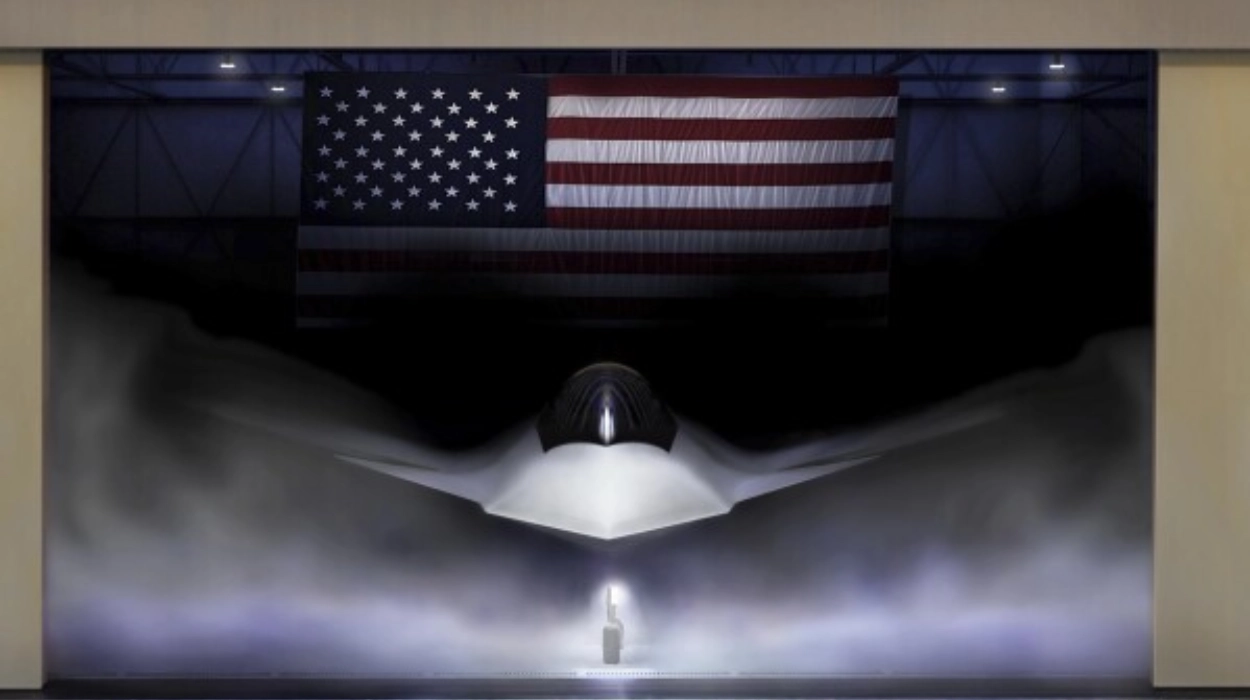

The recent offer from U.S. President
Donald Trump to sell Boeing’s F-47 sixth-generation fighter jet to Japan
presents Tokyo with a complex strategic dilemma. While the advanced
capabilities of the F-47 and the tradition of U.S.-Japan defense cooperation
are compelling, Japan’s cautious approach is rooted in concerns over preserving
strategic autonomy, managing technology dependencies, and navigating budgetary
and operational challenges. This article explores why Japan should reconsider
accepting the F-47 offer and instead focus on its own defense initiatives, such
as the Global Combat Air Program (GCAP), despite uncertainties about timelines.
Strategic Autonomy versus Alliance
Dependency
Japan has increasingly prioritized
developing sovereign defense capabilities to reduce overreliance on alliances.
The F-47 pitch, coming amid delays in the trilateral GCAP project with the UK
and Italy, forces Tokyo to weigh alliance loyalty against the desire for
defense independence. Accepting the U.S. offer risks deepening dependency on
American military technology, complicating Japan’s ability to exercise
strategic autonomy in a contested Indo-Pacific security environment. The U.S.
has a history of tightly controlling exported military technology, exemplified
by restrictions on the F-22 and concerns over “kill switches” in platforms like
the F-35, leaving Japan vulnerable to future U.S. political leverage.
Technological and Operational
Concerns
The F-47 is touted as a leap forward
with sixth-generation features such as extreme stealth, smart skins, sensitive
sensors, optionally manned capabilities, and directed-energy weapons. However,
Japan’s defense forces face significant challenges with pilot training,
maintenance infrastructure, and integration of new platforms, especially when
timelines and operational readiness protections are unclear. Japan currently
operates upgraded F-35s and F-15Js, which receive continual improvements,
suggesting that investing further in these and its own GCAP fighter could offer
a more realistic, long-term strategy.
Economic and Industrial
Considerations
Japan’s investment in the GCAP
aligns with its broader goal of cultivating a domestic defense industrial base
capable of competing internationally, including plans to export the aircraft.
Accepting the F-47 risks stalling these ambitions and perpetuating dependency
on foreign suppliers at potentially high costs. Price estimates for the F-47
remain uncertain but are expected to be substantial, raising affordability
concerns. Also, delays and lack of urgency in GCAP’s development by UK and
Italian partners point to the need for Tokyo to press forward rather than pivot
prematurely.
Geopolitical Implications
Trump’s pitch comes at a time of
growing geopolitical tensions in the Indo-Pacific, with China advancing its own
sixth-generation fighters like the J-36 and J-50. While the U.S. aims to
maintain air superiority by promoting the F-47, Japan must carefully consider
how procurement decisions influence its diplomatic posture. Aligning too
closely with U.S. platforms on terms set by Washington could limit Japan’s
freedom to maneuver regionally and internationally, impacting its long-term
security strategy.
Japan’s decision on whether to
acquire Boeing’s F-47 must balance immediate military modernization needs
against preserving strategic autonomy and fostering a robust domestic defense
industry. The existing GCAP program, despite delays, offers a path to sovereign
capability and international competitiveness. While the F-47 promises
cutting-edge technology, accepting the U.S. offer risks operational, economic,
and geopolitical drawbacks that Japan cannot ignore. Prudence dictates cautious
evaluation favoring long-term independence over short-term alliance-driven
gains.