
Summary
- A
devastating flood in Texas has resulted in multiple casualties and
widespread damage. - Texas
state officials have faced increasing scrutiny and questions regarding
their preparedness and response to the flood crisis. - Officials
have generally deflected or avoided direct answers about the adequacy and
timeliness of state emergency actions. - Residents
and local leaders have expressed frustration over communication lapses and
resource allocation. - The
flood has raised concerns about infrastructure resilience and disaster
management policies in Texas. - Media
coverage highlights tension between the public’s demand for accountability
and officials’ focus on limiting criticism.
This report examines the deadly flooding that struck Texas
in 2025, focusing on the human toll, the government’s emergency response, and
the growing public demand for accountability. As the state grapples with the
aftermath, questions intensify around preparedness measures and communication
strategies employed by officials. Diverse media outlets and expert voices have
contributed to a comprehensive analysis of the crisis, shedding light on both
the challenges faced and the lessons that must be learned to better protect
communities in the future.
What Happened in the Texas Flood Disaster?
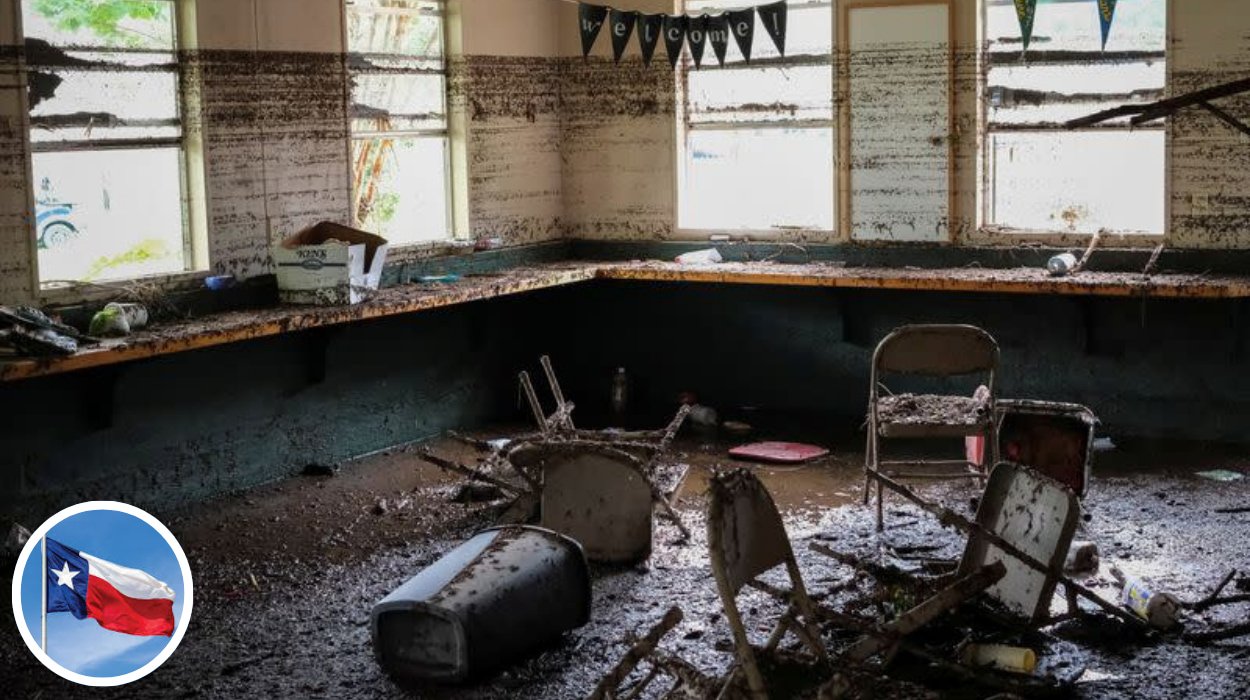
The state of Texas recently experienced a deadly flood event
that inflicted significant human and material losses. Several fatalities have
been reported alongside considerable property damage in affected areas. This
natural disaster has prompted emergency responses from various government
levels, including state agencies tasked with disaster management. The urgency
of rescue and relief operations underscores the seriousness of the flooding
event.
Why Are Texas Officials Facing Questions About Their
Response?
As reported by multiple journalists from prominent media
outlets covering the disaster, Texas officials are currently under mounting
pressure to explain their response strategy. Questions center on whether state
agencies were adequately prepared for such an event and how effectively they
managed the emergency once it unfolded. Public and media scrutiny has
particularly focused on communication with affected communities and the speed
at which resources and assistance were deployed.
How Are Officials Responding to These Criticisms?
According to coverage from respected news sources, Texas
officials have largely deflected direct questions about criticisms of their
flood response. Instead of providing detailed explanations or accepting
responsibility for delays or missteps, some officials have emphasized ongoing
efforts and highlighted the complexity of managing a disaster of this scale.
This posture has contributed to growing frustration among residents who feel
their concerns are being overlooked.
What Are the Main Concerns of the Affected Communities?
Local residents and community leaders have voiced concerns
about the state’s emergency communication and resource distribution. There have
been complaints regarding insufficient warnings ahead of the flood, delays in
evacuation orders, and inadequate support in the immediate aftermath. These
issues have raised questions about the resilience of Texas’s infrastructure and
whether current disaster preparedness policies are sufficient to mitigate such
catastrophic outcomes.
What Implications Does This Flood Have for Texas Disaster
Management?
The flood has exposed potential weaknesses in Texas’s
disaster preparedness and response framework. Policy experts and media analysts
note that improving infrastructure resilience, enhancing early warning systems,
and ensuring faster, more transparent communication with the public are
critical to managing future emergencies more effectively. This event may serve
as a trigger for legislative reviews and reforms aimed at bolstering the
state’s ability to respond to extreme weather events.
What Are Experts Saying About the State’s Handling of the
Crisis?
Commentary from disaster management experts, cited by
journalists across major publications, suggests that while natural disasters
like floods can be partly unpredictable, a state’s responsibility lies in
minimizing damage through proactive planning and rapid response. The current
situation in Texas reveals gaps between expected emergency protocols and their
real-world execution, which officials must address to restore public trust.
What Are Communities Doing to Rebuild After the Flood?
In the wake of the devastating flood, affected Texas
communities have begun mobilizing efforts to rebuild and recover. Volunteer
groups, local nonprofits, and faith-based organizations are coordinating to
provide immediate relief such as food, shelter, and medical assistance.
Residents are coming together to clear debris, repair damaged homes, and
support vulnerable populations. While government aid is being distributed, many
community leaders stress the importance of grassroots involvement to ensure recovery
is inclusive and tailored to local needs. These grassroots efforts highlight
the resilience and solidarity that characterize Texas communities in times of
crisis.
What Lessons Can Be Learned to Improve Future Flood
Responses?
The 2025 Texas flood has underscored critical lessons for
emergency management moving forward. Experts emphasize the need for enhanced
investment in infrastructure, including flood control systems and resilient
housing. Improving early warning systems through advanced technology and better
interagency coordination can save lives by enabling timely evacuations.
Moreover, transparent communication with the public must be prioritized to
build trust and reduce misinformation during disasters. Policymakers are urged
to take these insights into account and work collaboratively with scientists,
emergency responders, and communities to create comprehensive flood mitigation
plans that lessen the impact of future floods.
How Is This Story Developing?
As floodwaters recede and recovery efforts continue, the
spotlight on Texas officials remains intense. Further inquiries, including
legislative hearings and independent investigations, may be forthcoming to
clarify responsibilities and improve future responses. Media coverage continues
to track the unfolding situation, documenting the state’s ongoing efforts and
the community’s resilience amid adversity.