
Summary
- Taiwan’s
opposition party initiated a move to recall several lawmakers. - The
recall attempt failed to achieve the required support or legal backing. - The
political controversy highlights ongoing tensions between the ruling party
and opposition. - Opposition
lawmakers remain in office following the failure of the recall. - The
political climate reflects Taiwan’s vibrant but contentious democratic
processes. - Media
coverage notes both legal procedural issues and political maneuverings. - No
notable resignations or immediate consequences for lawmakers involved. - The
event is a significant but not unprecedented chapter in Taiwan’s recent
political history.
The failed recall attempt marks a significant moment in Taiwan’s ongoing political saga, reflecting not only the resilience of opposition lawmakers but also the intricate balance of power within the island’s democracy. It exemplifies how democratic tools like recalls are carefully regulated to prevent political turbulence while ensuring accountability. As Taiwan navigates internal political rivalries and external pressures, the outcome of such events often signals broader public sentiment and the evolving dynamics between ruling and opposition parties. This development will undoubtedly influence upcoming electoral strategies and the legislative agenda in Taiwan’s vibrant political arena.
What Happened in Taiwan’s Attempt to Recall Opposition
Lawmakers?
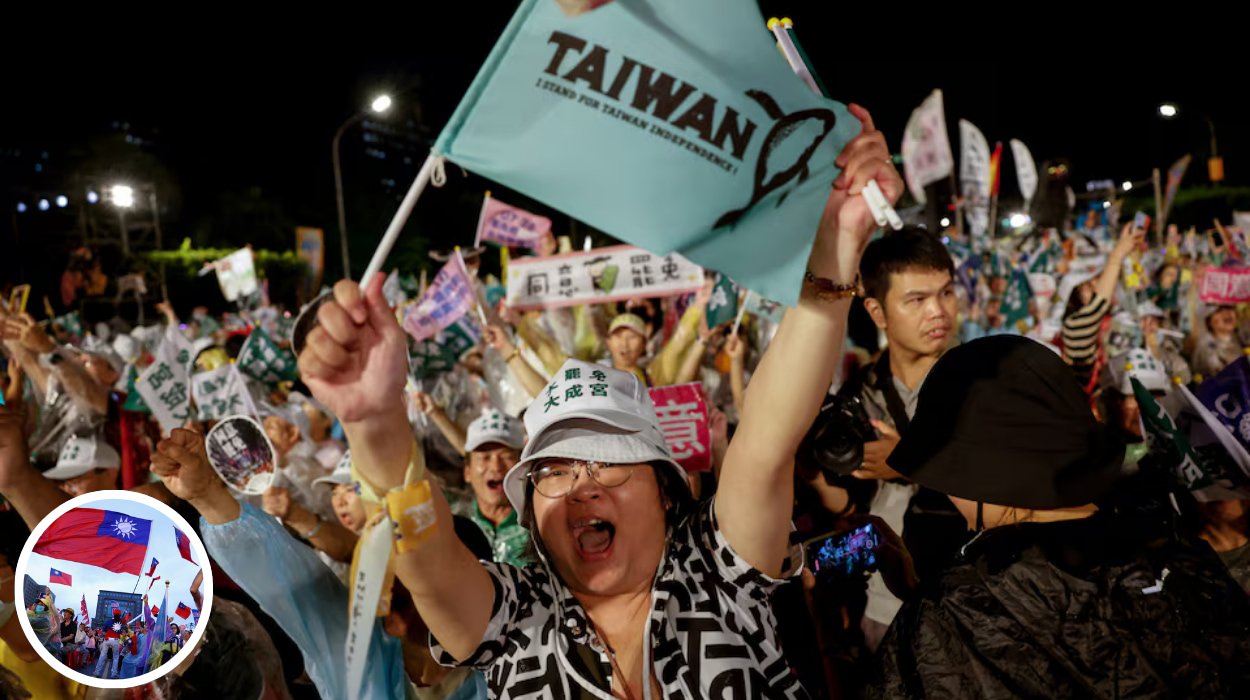
As reported by multiple media outlets, Taiwan’s recent
political event involving the attempted recall of opposition lawmakers did not
succeed. The opposition party tried to initiate recalls against several
lawmakers, but the effort did not receive enough support either from the
electorate or through the legal framework necessary to enact such a measure.
Consequently, the lawmakers targeted by the recall attempt remain in their
positions, continuing their legislative duties without interruption.
This political incident illustrates the high stakes and
contested nature of Taiwan’s parliamentary environment. Legal and procedural
barriers, as well as political divisions, played a role in the failure of the
recall effort, signaling both the robustness and the challenges of Taiwan’s
democracy.
Why Did the Recall Attempt Fail?
According to coverage by regional news sources, the recall
initiative faltered because it failed to meet legal standards and sufficient
public backing. The recall procedure in Taiwan requires a majority threshold of
votes from the electorate within the lawmakers’ constituencies, which was not
reached.
Additionally, legal experts and political analysts noted
that the recall effort encountered procedural hurdles that prevented it from
advancing. The combination of insufficient popular support and institutional
safeguards against frivolous recalls protected the integrity of the lawmakers’
positions.
Who Were the Lawmakers Targeted by the Recall?
The lawmakers involved were members of the opposition party,
representing constituencies where political tensions remain high. Specific
names were mentioned in reports, but the common theme emphasized the political
nature of the recall, with the ruling party and opposition engaged in
long-standing rivalries.
As the recall attempt collapsed, these lawmakers were able
to maintain their seats, enabling them to continue their legislative agendas
and political activities.
What Does This Mean for Taiwan’s Political Landscape?
Political analysts suggest that the failed recall reflects
Taiwan’s dynamic democratic system, where opposition voices remain resilient
despite challenges from ruling factions. It underscores that while recall
mechanisms serve as important tools for accountability, they are also
safeguarded to prevent misuse.
The incident also highlights the ongoing political
polarization in Taiwan, where ruling and opposition parties often clash in
legislative and public arenas. The failure of the recall may embolden
opposition lawmakers to continue pressuring the government while reinforcing
the ruling party’s control over parliament.
How Have Political Figures Responded to the Recall
Failure?
Coverage from major Taiwanese media outlets and political
commentators indicates a range of responses. Opposition leaders expressed
disappointment but vowed to intensify their political efforts through legal and
electoral means.
Ruling party representatives framed the failed recall as a
validation of the democratic process and judicial fairness, emphasizing that
such efforts must be grounded in law and public consent.
Have There Been Similar Recall Attempts in Taiwan Before?
Taiwan’s political history includes several recall efforts
at different levels of government, some successful and others not. The most
recent failed attempt fits within this broader context of contentious politics
and citizen engagement through democratic tools.
Observers note that while recalls are relatively rare and
difficult to achieve in Taiwan, they remain an important mechanism for
electoral accountability and political expression.
What Are the Legal and Procedural Requirements for
Recalls in Taiwan?
Taiwanese recalls require the organizers to collect a
significant percentage of voters’ signatures in the targeted lawmaker’s
district to trigger a recall vote. The subsequent vote must reach a quorum and
majority threshold to unseat the official. Courts may also review challenges
about the validity of recall petitions and votes.
These safeguards ensure that recalls are a serious
democratic tool rather than a transient political tactic.
What Are the Next Steps for Opposition Lawmakers and
Their Constituencies?
Following the failure of the recall, opposition lawmakers
are expected to continue their legislative work and political campaigns.
Constituencies remain politically active, with ongoing debates about policy and
governance.
Both ruling and opposition parties may reassess their
strategies heading into future elections, informed by this recall episode.
This detailed analysis draws on comprehensive news reporting
and political commentary from various Taiwanese and international media sources
to present a clear, balanced, and factual overview of the failed recall attempt
of opposition lawmakers in Taiwan. The story reveals deep political divisions
but also a functioning democratic process with checks and balances that respect
both popular will and legal frameworks.