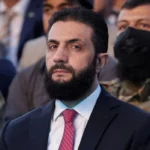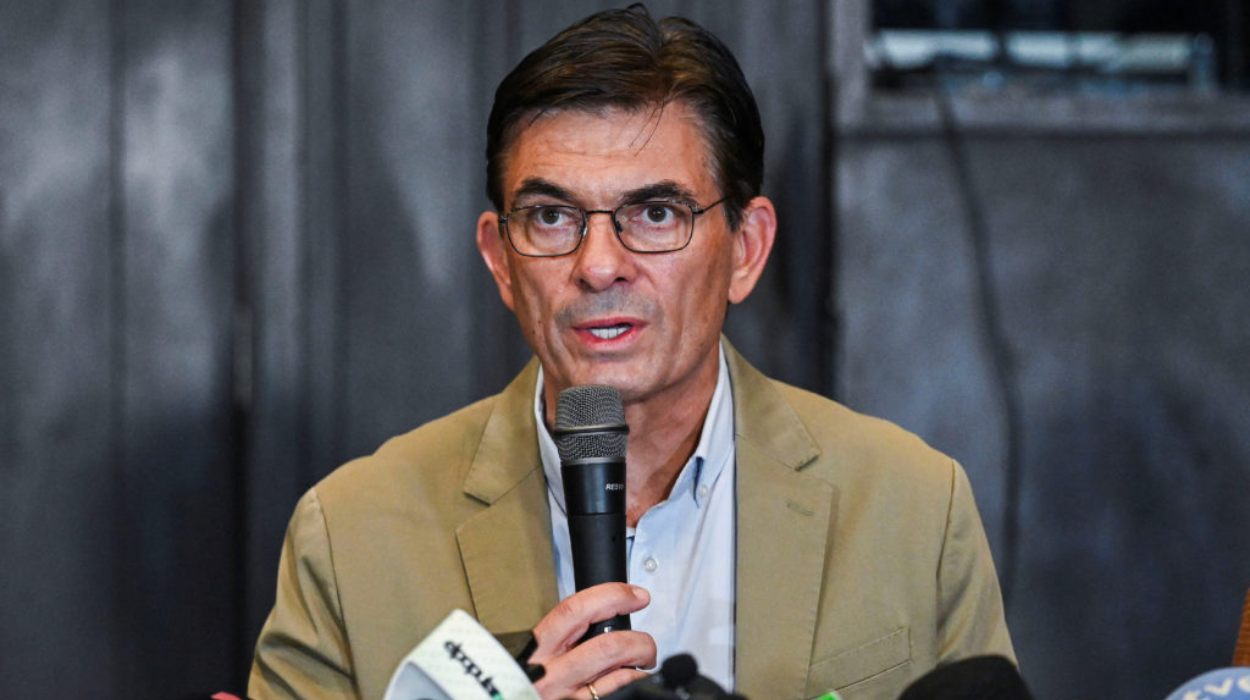

Paz raised his right hand
in front of a Bible and a cross as he took the oath of office in front of
legislators and foreign dignitaries.
Bolivians weary of the
acute gasoline shortages and exorbitant food prices that have come to define
the nation’s greatest economic crisis in forty years are eagerly awaiting Paz’s
58th inauguration. In Bolivia’s presidential runoff last month, he unexpectedly
defeated his far more well-known right-wing rival, former President Jorge
“Tuto” Quiroga.
After 20 years of
leadership by the Movement Toward Socialism party, which was founded by the
charismatic former president Evo Morales, Paz takes over an economy in ruins.
The party’s economic strategy of generous subsidies and natural gas exports
have faltered since the party’s peak in the early 2000s commodities boom.
The majority of voters
selected Paz to help them escape the economic crisis due to the scarcity of
U.S. cash and ongoing gasoline shortages. Unlike Quiroga, who supported a
fiscal shock program and an International Monetary Fund bailout, he proposed
significant reforms, albeit more gradually.
In Bolivia’s capital, La
Paz, the inauguration was attended by the presidents of
Argentina (Javier Milei), Chile (Gabriel Boric), Ecuador (Daniel Noboa),
Uruguay (Yamandú Orsi), and Paraguay (Santiago Peña).
Following his election on
October 20, Paz turned away from the ALBA bloc, of which Bolivia is a member
along with Cuba, Nicaragua, and Venezuela, and toward the United States, with
whom his nation had been increasingly estranged following the expulsion of the
American ambassador in 2008 during Morales’s administration.
“After two decades of
left-wing government, he can count on the goodwill of foreign investors and the
international community,”
said Michael Shifter of the Inter-American Dialogue, a
Washington-based international think tank.
“His task will not be easy. If he
acts too slowly or his policies stagnate and fail to pull Bolivia out of its
economic crisis, Paz risks losing political capital.”
Following the election, Paz
also declared that his administration would work with all international
agencies on security issues, including the U.S. Drug Enforcement
Administration, which Morales had banished from Bolivia at the end of 2008.
With his Christian
Democratic Party holding only 39% of the Legislative Assembly’s 166 seats, Paz
will now need to focus on forming a strong coalition with political blocs.
What immediate economic measures will Paz propose to stabilize
reserves?
Rodrigo Paz’s immediate profitable measures to stabilize Bolivia’s
reserves include securing external backing and enforcing programs similar to
cutting energy subsidies, especially reducing diesel subsidies for husbandry
and other business sectors.
Gasoline subsidies for public transport will be phased out more
gradually to soften the impact on ordinary citizens. Paz aims to move toward a
more flexible exchange rate system to more manage the currency and bolster
foreign reserves.
He has formerly engaged with multinational creditors like the
International Monetary Fund( IMF) and theInter-American Development Bank to
seek support, with expedients to open fresh credit lines. These measures are
part of a broader profitable deliverance plan fastening on financial
discipline, reducing subsidies, and promoting private sector- led growth while
maintaining social programs.