
Key Points
- Two
people died in Plainfield, New Jersey, after their vehicle was swept away
by flash floods during severe storms that battered the Northeast. - New
Jersey Governor Phil Murphy declared a state of emergency on July 14, 2025. - Flash
flooding also disrupted transportation across New York City and other
parts of the Northeast, causing subway suspensions, airport delays, and
widespread road closures. - Rainfall
totals in the hardest-hit areas of New Jersey reached between 3 to 6.5
inches, with localized rainfall topping 6 inches in under three hours. - Union
and Somerset counties in New Jersey saw significant emergency responses
with dozens of rescues from flooded homes and stranded vehicles. - Severe
storms in early July also resulted in three deaths in Plainfield and North
Plainfield, highlighting the cumulative devastation in the region. - Experts
and emergency officials cited climate change and inadequate infrastructure
as contributing factors to the increasing frequency and severity of flash
flooding. - The
storms and resulting floods caused over 170 flight cancellations at Newark
Liberty Airport, and disrupted rail and subway services. - New
York City subway riders witnessed dramatic scenes of water surging onto
platforms and trains at multiple stations. - Governor
Murphy and local officials emphasized the need for ongoing vigilance as
additional storms were forecast in the days following the disaster. - Authorities
urged residents to stay indoors, avoid unnecessary travel, and heed
evacuation warnings, particularly those in vulnerable housing such as
basement apartments.
Severe storms and record-breaking rainfall battered the
New York City area on July 14, 2025, triggering deadly flash floods across the
Northeast and resulting in the deaths of two people in Plainfield, New Jersey.
The relentless storms brought widespread chaos, paralyzed travel in America’s
densest metropolis, and prompted urgent warnings from officials as the risk of
further severe weather loomed.
What Led to the Deadly Flooding in New Jersey and New York?
As reported by The Associated Press, relentless storms swept
across the Northeast on Monday night into Tuesday, saturating the ground and
overwhelming infrastructure across New York, New Jersey, and Pennsylvania.
“The
subway network in New York City was fully functional for the Tuesday morning
rush hour. However, several roads in parts of New York and New Jersey remained
shut down following intense rainfall that swept through the Northeast U.S.
overnight, leading to flash flooding,”
the AP stated.
CBS News New York corroborated that severe weather brought
“very, very quickly rising waters” and flooded roads in northern New Jersey and
New York’s suburbs, where heavy downpours persisted well into the night, and
emergency responders were stretched across multiple counties. According to
the National Weather Service, rainfall rates hit up to 3–4 inches per hour,
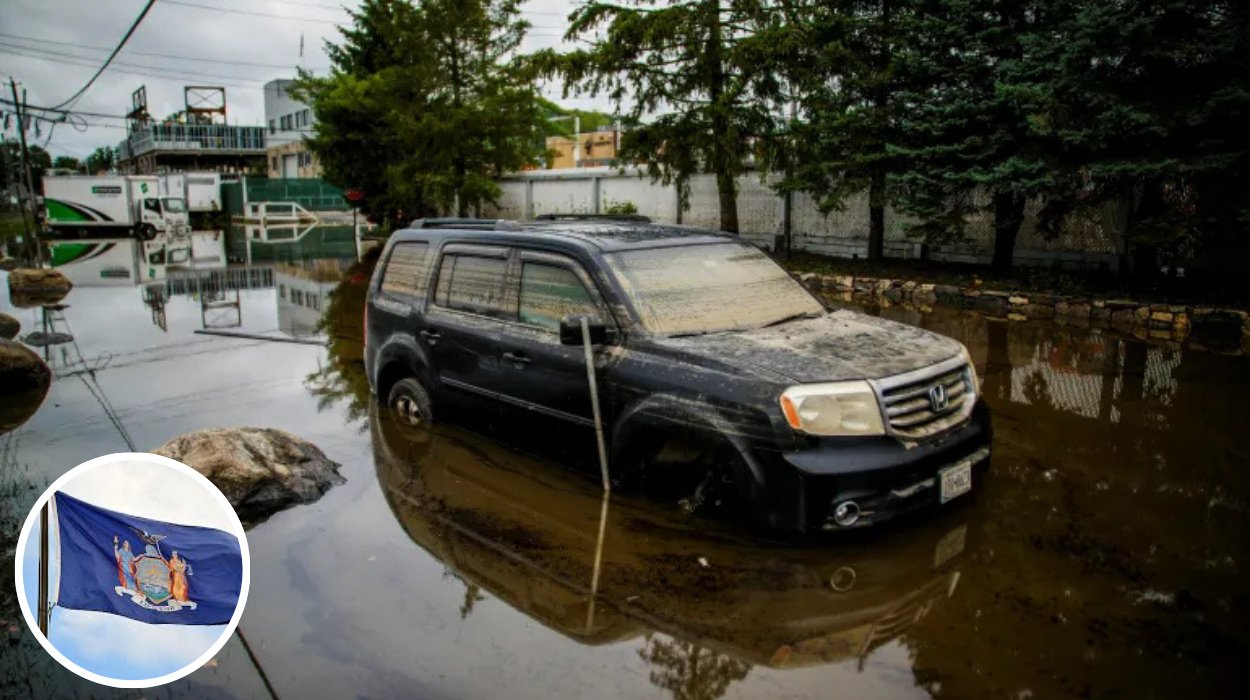
leading to floods that submerged vehicles and trapped commuters.
Why Was a State of Emergency Declared in New Jersey?
Governor Phil Murphy declared the state of emergency as
waters rose rapidly in communities from Union to Somerset counties. As reported
by CNBC, New Jersey Gov. Phil Murphy announced a state of emergency due to
heavy rain and stalled storms Monday … urging residents to ‘please stay indoors
and avoid unnecessary travel. The official statement on the governor’s
website underscored the urgency:
“New Jersey will enter a State of Emergency
effective at 8:00 p.m. on Monday, July 14, 2025”.
Murphy, during an on-the-ground assessment in Berkeley
Heights, described the destruction:
“Last night, we got crushed … Six inches
of rain in under two and a half hours, in two waves—one wave knocked a lot of
these communities a little bit off kilter; the second one just came in for the
kill. So we’re assessing around all these communities and counties,”
as cited
by CBS News.
How Did the Flooding Lead to Fatalities?
As detailed by Reuters and CBS News, two lives were lost in
Plainfield after their vehicle was swept away into Cedar Brook.
“They were
in a submerged automobile, and their remains were extracted at some point
overnight or first thing this morning,”
Governor Murphy explained, per CBS
News New York.
Plainfield Mayor Adrian O’Mapp released a heartfelt
statement:
“All of Plainfield grieves this latest loss. To lose four residents
in such a short span of time is unimaginable. We mourn with the families, and
we remain committed to doing all we can to strengthen our emergency response
systems and protect residents from future harms”.
Emergency crews responded to at least 30 homes for rescues
as storm water inundated streets and homes, and dozens more were extracted from
stranded vehicles.
How Did the Storms Affect Transportation and Infrastructure?
According to coverage by FOX Weather and Le Monde, a flood
warning was still in effect for parts of New Jersey on Tuesday, and
infrastructure struggled to cope. New York City’s MTA confirmed that while
operations resumed swiftly, video captured dramatic scenes of floodwaters
bubbling onto train platforms at the 28th Street station and surging into train
carriages.
“Social media footage depicted vehicles partially
submerged in various areas of the state,” wrote The Associated Press. Massive
traffic jams on major roadways were reported, while Westchester County saw
drivers rescued from submerged vehicles. Newark Liberty Airport
experienced over 170 flight cancellations and commuters were advised to avoid
traveling until essential services resumed.
Flooding also severely delayed commuter rails, as confirmed
by Janno Lieber, head of the Metropolitan Transit Authority, who told ABC 7 New
York about the mobilization of hundreds of workers to restore full service.
What is the Broader Impact and Response to This Weather
Event?
The event marked one of the most intense rainfall incidents
since 1943 in New York City, with local infrastructure overwhelmed by torrents
of up to 17 centimeters (6.7 inches) of rain in just a few hours, according to
Down to Earth. The United Nations Environment Programme has highlighted
that major urban centers like New York are increasingly vulnerable to severe
downpours due to climate change, which contributes to warmer air and heavier
rain events.
Reports from CNN emphasize that over 70 million Americans
were at risk for flooding and that areas affected had seen rainfall up to 300%
above normal in the previous two weeks. The National Weather Service,
cited across multiple outlets, cautioned:
“A moisture-laden summer airmass over
much of the eastern and central United States will persist, leading to
scattered to widespread thunderstorms capable of causing heavy rainfall and
flash flooding”.
As described by Al Jazeera, Governor Murphy reminded
residents,
“We’re not alone in this, but we are currently experiencing one of
those high humidity, elevated temperature, and intense storm patterns. Everyone
needs to remain vigilant”.
The threat of more severe weather was expected
to persist well into the week.
What Were the Most Dramatic Scenes of the Floods?
Multiple news organizations documented the most dramatic
instances of the flooding:
- Video
captured water bursting onto New York City subway platforms and carriages,
as seen in social media posts referenced by FOX Weather and The
Associated Press. - Shipping
containers floated down roads in North Plainfield, and cars were seen
driving through waist-high water in Piscataway, New Jersey. - Dramatic
Ring camera footage showed debris and damage in Union County, New Jersey.
Westchester County Executive Ken Jenkins told CBS News, “The
floods happened very, very quickly,” while residents in Scotch Plains saw
shipping containers and vehicles washed away by the surging currents.
How Did Officials Advise Residents and Respond to the
Crisis?
State and regional officials, as reported by multiple
outlets, urged extreme caution. “Please stay indoors and avoid unnecessary
travel,” Governor Murphy said via X (formerly Twitter), as published by
ABC News. Residents, especially those in basement apartments in New York
City, were warned to be ready to evacuate at a moment’s notice.
The Washington Post reported that the flooding left vehicles
submerged up to their waist height, and necessitated the activation of dozens
of water rescues, highlighting a concerning rise in flood-related deaths
nationwide, exacerbated by climate change.
Why Are Northeast Floods Becoming More Frequent and
Dangerous?
Expert analysis, quoted by Down to Earth and CNN, linked the
increasing frequency and intensity of floods to climate change and outdated
urban infrastructure incapable of coping with rapid, high-volume rainfall
events.
As the intensity and frequency of such storms increase, city officials and
emergency services are working to adapt, but warn that without infrastructure
investments and mitigation strategies, future events could be even more
catastrophic.