
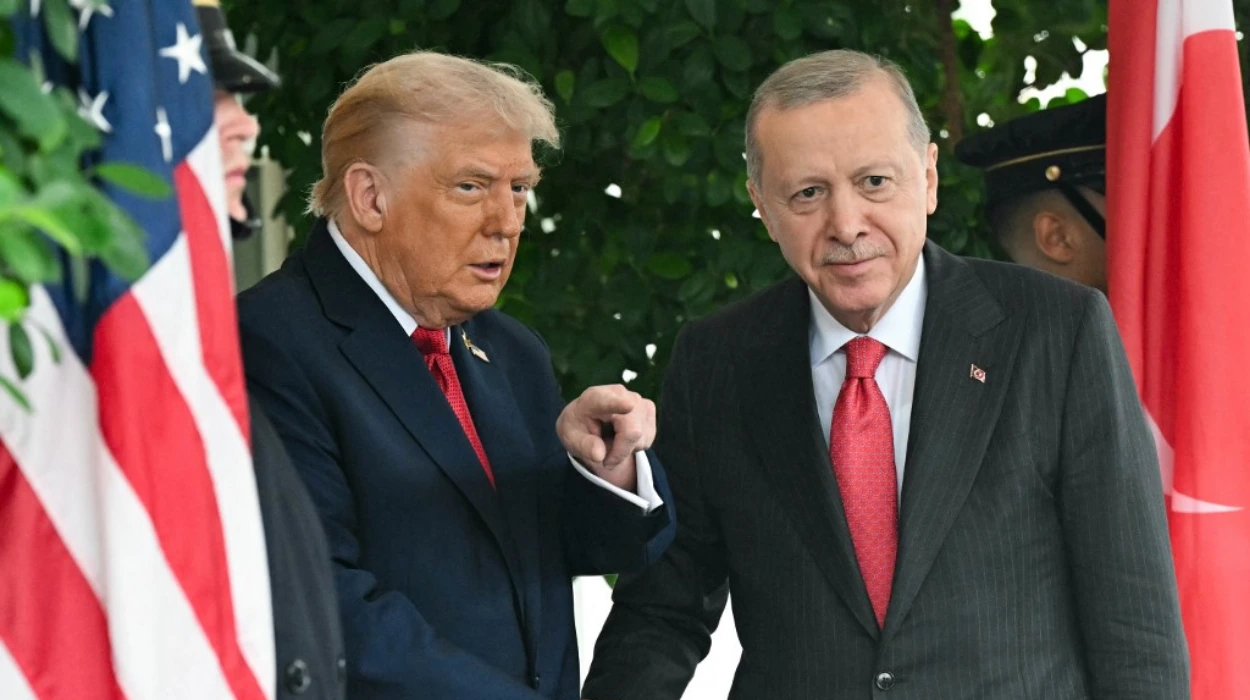

- Turkish President Recep Tayyip Erdogan offered US President Donald Trump a teleconference involving Iran on Thursday.
- The proposal emerged during a bilateral meeting in Ankara with Iranian Foreign Minister Abbas Araghchi.
- Erdogan aims to facilitate direct dialogue amid escalating regional tensions in the Middle East.
- Turkey positions itself as a mediator, leveraging ties with both Washington and Tehran.
Ankara (Washington Insider Megazine) – 29 January 2026 – Turkish President Recep Tayyip Erdogan offered US President Donald Trump a teleconference involving Iran on Thursday. The proposal aims to facilitate direct dialogue amid regional tensions. Erdogan presented the offer during a bilateral meeting with Iranian officials.
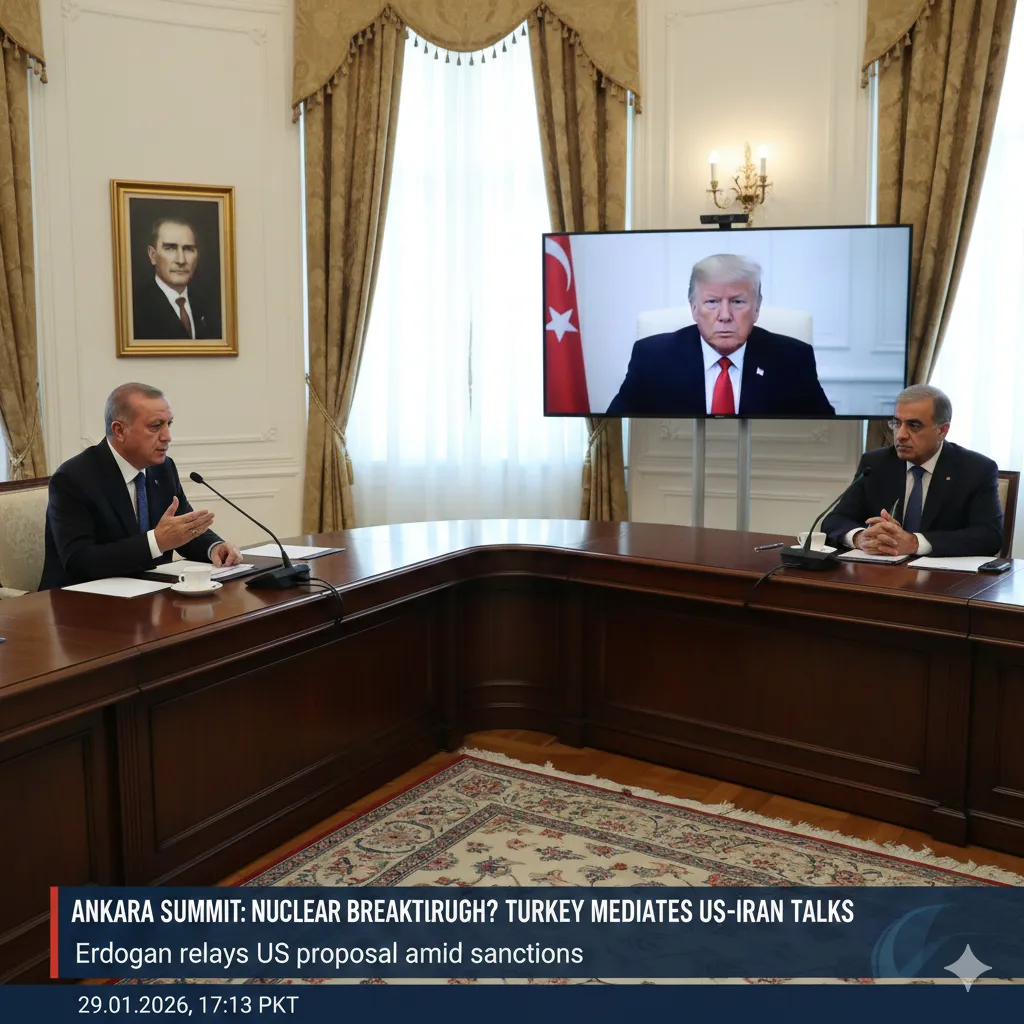
Turkish President Recep Tayyip Erdogan proposed a teleconference between US President Donald Trump and Iranian representatives during talks in the Turkish capital on Thursday. Erdogan made the offer in the presence of Iranian Foreign Minister Abbas Araghchi, highlighting Turkey’s role as a mediator in Middle East diplomacy. The suggestion follows recent escalations in regional conflicts.
Erdogan conveyed the proposal after a one-hour meeting with the Iranian delegation at the Presidential Complex. He stated that Turkey stands ready to arrange the call to address mutual concerns, including nuclear issues and proxy conflicts. Turkish officials confirmed the offer was communicated through diplomatic channels to Washington.
The teleconference idea emerges against the backdrop of strained US-Iran relations since Trump’s inauguration. Erdogan positioned Turkey as a neutral broker, citing its balanced ties with both nations. Reports indicate the proposal includes technical arrangements for secure video linkage.
Details of Erdogan’s Teleconference Proposal
President Erdogan outlined the teleconference during a joint press appearance following the meeting. He said,
“I offered President Trump the opportunity for a direct teleconference with Iran to discuss pressing matters.”
The Turkish leader emphasised urgency, pointing to ongoing developments in Syria and the Gulf.
Iranian Foreign Minister Araghchi acknowledged the proposal, noting it aligns with Tehran’s willingness for dialogue under specific conditions. Turkish diplomats reported that the call could occur within days if accepted, potentially hosted via Ankara’s secure facilities. No immediate response from the White House was available.
Erdogan linked the offer to Turkey’s shuttle diplomacy efforts, referencing past successes in prisoner exchanges and ceasefire talks. He urged all parties to prioritise de-escalation, warning of broader consequences from continued hostilities. The proposal specifies high-level participation from each side.
Context of Turkey-Iran-US Diplomatic Dynamics
US, Iran in talks to cool tensions with a mutual ‘understanding’ | Reuters
The offer comes amid heightened tensions following US sanctions on Iranian oil exports. Erdogan has maintained communication lines with Trump since January, including phone calls on trade and security. Turkish media reported the teleconference as a potential breakthrough in stalled nuclear negotiations.
Iran’s attendance at the Ankara meeting underscores warming Turkey-Iran relations despite sectarian differences. Araghchi arrived on a scheduled visit to discuss border security and energy cooperation. Erdogan used the occasion to relay the US proposal, framing it as a confidence-building measure.
US officials have previously expressed openness to talks with Iran through intermediaries. Trump’s administration has signalled flexibility on direct engagement if preconditions are met. Turkey’s strategic position makes it a preferred channel for such initiatives.
Regional Tensions Prompting the Proposal
Recent incidents, including drone strikes in Iraq and naval manoeuvres in the Strait of Hormuz, prompted Erdogan’s intervention. He referenced these events in his remarks, stating they necessitate high-level dialogue. The teleconference would focus on de-escalation steps and verification mechanisms.
Turkey has hosted multiple rounds of indirect talks between US and Iranian envoys in recent months. Erdogan highlighted Ankara’s track record, including the 2023 Black Sea grain deal framework. The current proposal builds on those precedents with a direct presidential link.
Iranian state media covered the offer positively, quoting Araghchi on Tehran’s readiness. Turkish broadcasters aired live footage of the press conference, reaching domestic and regional audiences. Diplomatic sources noted coordination with Qatar and Oman as additional facilitators.
Erdogan’s Broader Mediation Role in Middle East
President Erdogan has intensified Turkey’s mediation efforts since regional conflicts intensified. He recently facilitated talks between Saudi Arabia and Yemen factions. The Iran proposal fits into this pattern, leveraging Turkey’s NATO membership and regional influence.
During the press event, Erdogan called for inclusive formats involving all stakeholders. He proposed follow-up sessions post-teleconference to sustain momentum. Turkish advisors drafted protocols ensuring parity in the virtual meeting format.
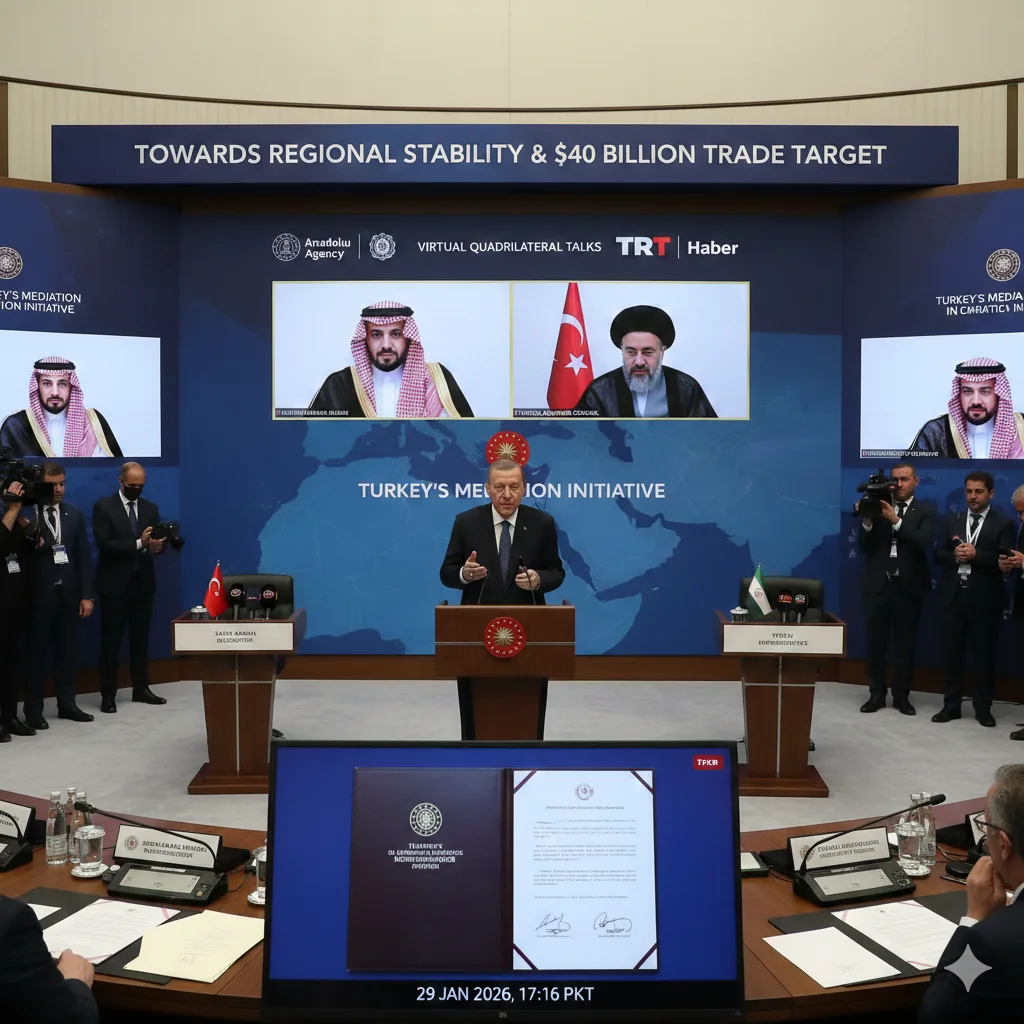
Iran expressed appreciation for Turkey’s initiative, with Araghchi pledging to convey details to Supreme Leader Ayatollah Khamenei. The meeting agenda also covered bilateral trade targets, reaching $40 billion annually. Erdogan signed memoranda on connectivity projects.
US Perspective on Potential Teleconference
White House press secretary Karoline Leavitt stated that the administration reviews all diplomatic overtures carefully. Trump has publicly mused about direct talks with Iran on multiple occasions. Sources indicate internal deliberations on the Turkish proposal began immediately.
Trump’s past direct engagement with North Korea serves as a model for the teleconference. US diplomats in Ankara liaised with Turkish counterparts post-announcement. The proposal aligns with Trump’s deal-making approach to foreign policy.
Analysts note the timing coincides with upcoming UN Security Council sessions on Iran. Acceptance could preempt resolutions or buy time for negotiations. Rejection might signal hardened positions amid domestic pressures.
Reactions from Key Stakeholders
Iranian officials described the offer as constructive, emphasising no preconditions for initial contact. Supreme Leader Khamenei’s office issued a statement welcoming mediated dialogue. Tehran-based diplomats prepared briefing materials for the potential call.
European allies, including Germany and France, welcomed Turkey’s role. Chancellor Friedrich Merz commented on the need for multilateral de-escalation. NATO Secretary General Mark Rutte praised Ankara’s proactive stance.
Regional powers like Saudi Arabia monitored developments closely. Riyadh’s foreign ministry expressed support for stabilising measures. Israeli officials voiced concerns but acknowledged diplomatic channels’ value.
Background on Ankara Meeting Arrangements
The Thursday meeting was pre-scheduled under the Turkey-Iran High-Level Cooperation Council framework. Araghchi’s delegation included nuclear experts and military attaches. Discussions spanned four hours, with the teleconference emerging late in proceedings.
Security measures at the Presidential Complex included aerial restrictions and guest screenings. Media access was pooled, with international wires present. Erdogan hosted a working lunch featuring regional cuisine before public remarks.
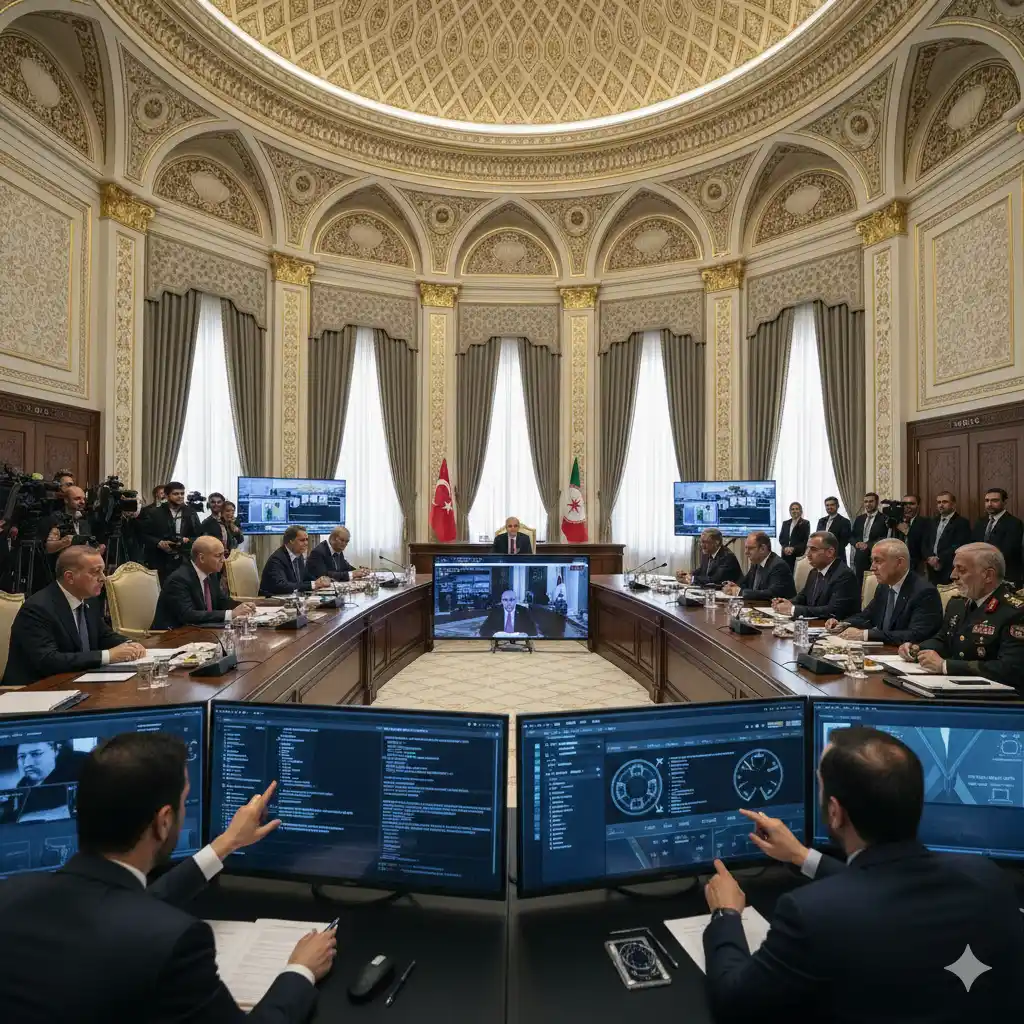
Post-meeting, both sides issued joint communiques reiterating commitment to sovereignty and non-interference. Technical teams began scouting virtual platforms compatible with all parties’ cybersecurity standards. Follow-up visits were tentatively planned.
Implications for Ongoing Nuclear Talks
The teleconference proposal revives prospects for reviving the 2015 Joint Comprehensive Plan of Action elements. Erdogan advocated phased sanctions relief tied to compliance verification. IAEA reports factored into preparatory documents exchanged.
US envoy Steve Witkoff, involved in prior indirect talks, briefed Trump on the offer. Iranian negotiator Abbas Araghchi signalled flexibility on inspection regimes. Turkey committed to hosting subsequent in-person rounds if successful.
Multilateral formats like the Vienna process could integrate teleconference outcomes. Erdogan urged accelerated timelines to match conflict pace. Diplomatic cables circulated widely among P5+1 members.
Turkey’s Strategic Positioning in Diplomacy
Ankara’s initiative bolsters President Erdogan’s profile ahead of domestic elections. Turkey balances NATO obligations with outreach to non-aligned states. The proposal enhances its leverage in energy transit routes.
Erdogan’s closing remarks stressed collective responsibility for regional peace. He invited Gulf states to parallel tracks. Turkish embassies activated outreach to capitals for endorsements.
The event garnered global coverage, with CNN and Al Jazeera providing live analysis. Social media amplified key quotes, trending regionally. Archival footage of past Erdogan mediations circulated.