
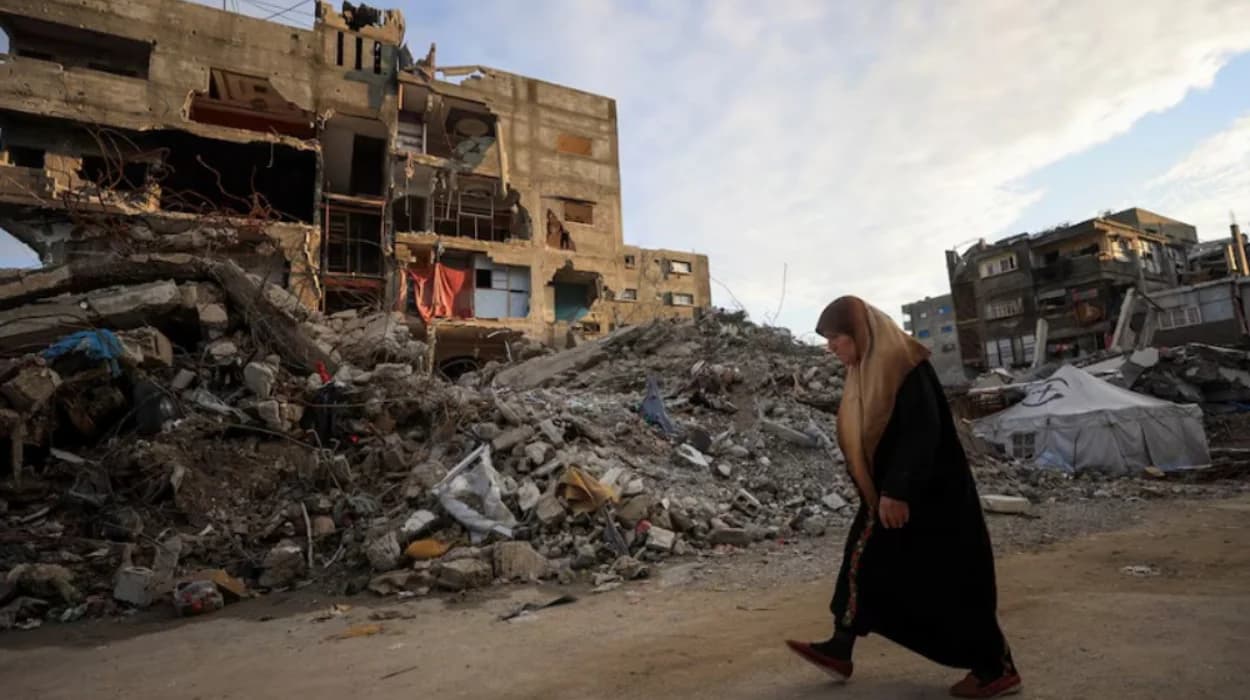
Palestine (Washington Insider) - At least 18 Palestinians have died in Gaza due to 46 building collapses caused by previous Israeli bombardments since the October 10 ceasefire. Israel continues blocking aid; UN calls for urgent relief.
As Press TV reported, the ministry has warned that the humanitarian situation in the disaster-hit areas is worsening. Reconstruction work has largely stopped, leaving thousands of families without safe shelter.
"In light of the ongoing disaster of damaged homes collapsing on their residents, the latest of which occurred Saturday evening in Sheikh Radwan neighborhood in Gaza City, leading to the death of four citizens, the number of victims has risen to 18 as a result of the collapse of 46 buildings across the Gaza Strip since the ceasefire began last October,”
the Ministry of Interior and National Security in Gaza said in a statement on Monday.
https://x.com/PalHighlight/status/2002829461943914968?s=20
How will Gaza survive winter amid blocked aid and collapsing homes?
Mobile homes and essential materials remain blocked from entering Israel by the Israeli authorities. The Israeli officials stated that the winter weather has made the situation more critical with cold weather, deteriorating buildings, and a continued risk of more building collapses, creating even worse living conditions for the people living in the affected areas.
Israeli officials have appealed to the international community to help expedite the supply of building materials and temporary housing. The government, humanitarian organizations and other donors need to work quickly to provide building materials and temporary housing to the people living in the affected areas.
Any delay in providing these supplies will further increase the severity of the crisis and potentially result in a catastrophic humanitarian disaster. The Israeli Ministry of Interior is asking that urgent assistance be provided to alleviate suffering and save lives.
In the region of Gaza, severe rain, gusting winds, and sub-zero temperatures occurred during the past few weeks, causing significant destruction to the drainage systems, infrastructure, and living spaces within the territory.
Approximately 53,000 of the temporary shelter tents that had been supplied to displaced Palestinians were either flooded out or destroyed.
Numerous large portions of buildings and infrastructure have been significantly damaged as a result of this increased moisture and the combined pressure of wind and flooding. Many neighbourhoods experienced rapidly flooding streets, along with raw sewage in many areas, creating a serious public health threat.
The families of those who were displaced have had to take refuge within partially collapsed structures; last week, 13 buildings were reported as having collapsed.
After the ceasefire began, Israel has also continued to restrict Gaza’s access to humanitarian aid. Many international organisations, countries and the UN have repeatedly called for an end to this blockade. The UN reported that due to being unable to receive aid, those who are most in need of these items did not receive tents and blankets.
Approximately 55000 households were affected by damage or destruction of their homes, and officials stated that due to the blocked humanitarian assistance and the collapse of temporary shelters, many families continue to be at risk of hypothermia, infectious disease, and additional building collapses.