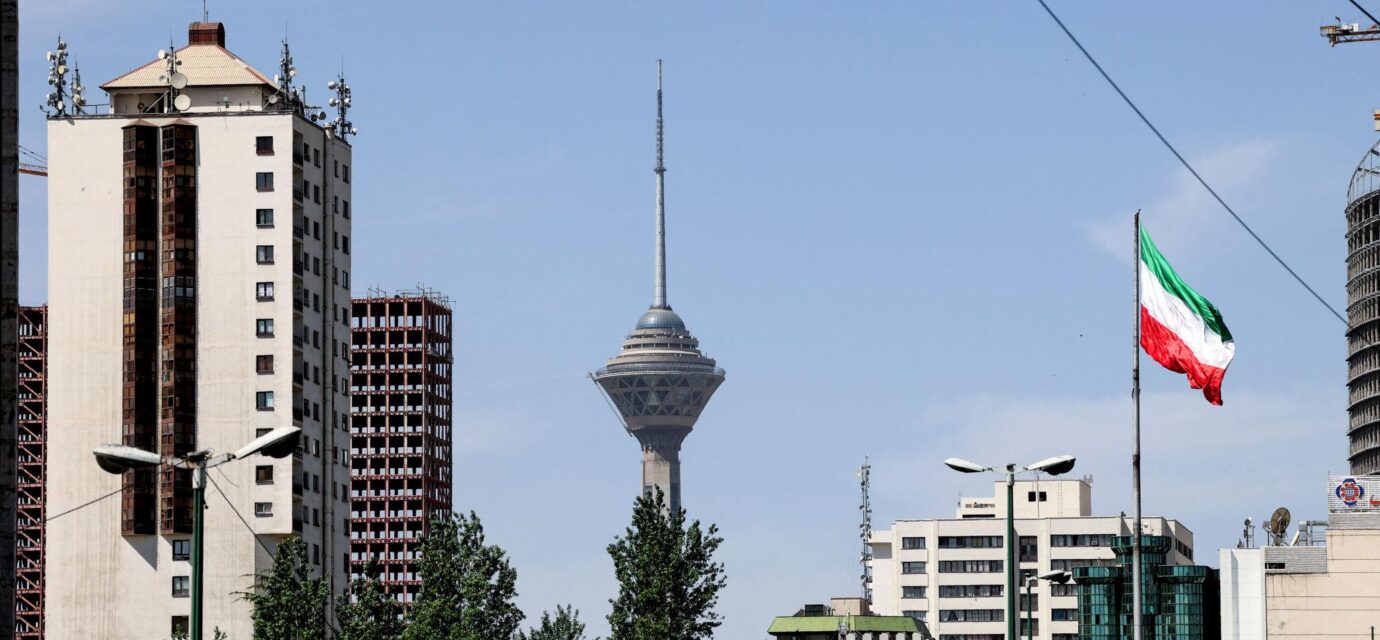

Iran internet restrictions were partially eased after Iranian authorities reportedly restored broader international connectivity across several regions.
State media said President Masoud Pezeshkian ordered the reopening following weeks of economic disruption and communication concerns.
Businesses, universities, and digital markets are now monitoring whether nationwide access stability will continue.
TEHRAN, Iran – Washington Insider Magazine – Iran internet restrictions became the center of global attention after Iranian state media reported that President Masoud Pezeshkian ordered broader international connectivity to be restored following weeks of communication disruptions across the country. The move came after mounting economic pressure, public frustration, and growing concern from technology observers regarding the impact of reduced global access on businesses, universities, financial systems, and daily life.
Authorities reportedly began reopening international digital channels across several provinces while telecommunications teams worked to stabilize online traffic. The decision immediately triggered increased internet activity as millions of citizens attempted to reconnect with global messaging applications, international media platforms, cloud-based services, and online business systems.
Analysts said the reopening represented an important shift in Iran’s digital policy approach at a time when regional tensions, economic stability, and public communication systems remain closely connected.
One technology analyst based in Tehran stated,
“Stable internet infrastructure is now essential for economic resilience, public communication, and international business operations.”
Another regional cybersecurity expert added,
“Extended disruptions can create financial pressure that affects nearly every sector of a modern economy.”
A university professor monitoring regional technology policy also noted,
“Internet access is increasingly viewed as critical national infrastructure rather than simply a communication tool.”
Government Moves to Restore Digital Stability
The easing of Iran internet restrictions reportedly followed internal discussions involving economic agencies, telecommunications officials, and regional authorities. Businesses across multiple industries had experienced operational disruptions during the restrictions, especially firms relying on international payment systems, logistics software, digital advertising, and overseas communication.
Several technology monitoring groups reported that network traffic levels increased rapidly after restoration efforts began. Messaging applications, research databases, software development platforms, and global cloud systems reportedly became more accessible as connectivity improved.
Officials did not immediately confirm whether all restrictions would be permanently lifted nationwide. However, observers noted that even partial restoration signaled recognition of the economic and social consequences caused by prolonged digital limitations.
The reopening also drew attention from international investors and multinational firms monitoring regional market stability and communication infrastructure reliability.
Key Facts Behind Iran Internet Restrictions in 2026
| Category | Latest Situation |
|---|---|
| Country | Iran |
| Main Issue | Internet connectivity restrictions |
| Reported Action | Partial restoration of global internet access |
| Economic Impact | Business disruptions and payment delays |
| Affected Sectors | Technology, education, finance, retail |
| Public Response | Mixed relief and continued uncertainty |
| Global Concern | Digital freedom and regional stability |
| Connectivity Focus | International communication platforms |
Businesses Face Economic Pressure During Disruptions
Economic analysts said Iran internet restrictions created significant challenges for companies dependent on international digital infrastructure. Retailers, exporters, online service providers, financial institutions, and transportation firms reportedly struggled with communication delays and interrupted software systems.
Technology startups faced additional difficulties as access to cloud computing tools, software repositories, cybersecurity platforms, and international clients became inconsistent. Small businesses that rely heavily on online marketing and digital payment systems also reported operational losses.
Industry groups warned that prolonged internet disruptions can weaken investor confidence and reduce economic efficiency in rapidly digitizing markets.
Regional economists observed that internet reliability increasingly influences foreign investment decisions, especially in technology-driven industries where uninterrupted communication systems are considered essential infrastructure.
Universities and Students Welcome Connectivity Improvements
Academic institutions across Iran reportedly welcomed the restoration efforts because universities and research centers faced major challenges during the restrictions period. International research collaboration, online education systems, scientific databases, and academic communication platforms experienced interruptions.
Students involved in foreign exchange programs or international coursework encountered delays accessing educational resources and communication channels. Professors and researchers also reported difficulties participating in international conferences, remote lectures, and digital publishing activities.
Educational leaders emphasized that universities now depend heavily on stable global connectivity for research development and international academic cooperation.
Technology educators also pointed to the growing role of artificial intelligence, cloud learning systems, and remote collaboration tools in modern higher education environments.
Historical Cycles of Internet Controls in Iran
| Year | Major Digital Event | Reported Impact |
|---|---|---|
| 2019 | Nationwide internet shutdown | Severe communication disruptions |
| 2021 | Increased social platform monitoring | Slower global connectivity |
| 2023 | Regional security-related restrictions | Business communication delays |
| 2025 | Expanded cybersecurity enforcement | Public concern over online access |
| 2026 | Partial restoration of international access | Economic and market stabilization efforts |
Public Reaction Expands Across Social Media Platforms
As services gradually returned, users across social media platforms began sharing updates showing restored access to international websites and messaging systems. Online discussions rapidly expanded as citizens discussed the effects of the restrictions on daily activities, commerce, education, and communication.
Public reaction appeared mixed. Some users welcomed the restoration as a positive step toward economic stability, while others remained cautious about whether connectivity improvements would remain consistent over time.
Digital communication now plays a central role in transportation systems, online shopping, emergency information sharing, remote work, and banking operations throughout the Middle East. Experts noted that even temporary interruptions can affect millions of people within hours.
Observers also pointed out that modern governments increasingly face pressure to maintain digital stability while balancing cybersecurity and national security concerns.
Regional Security Concerns Continue Influencing Digital Policy
The easing of Iran internet restrictions occurred during a period of broader geopolitical tension affecting regional security and international diplomatic relations. Cybersecurity experts said governments worldwide are increasingly treating communication networks as strategic national assets.
Several analysts noted that internet governance has become closely tied to economic competitiveness, information management, cyber defense strategies, and public stability efforts.
Regional technology policy specialists believe future digital regulations in Iran may continue evolving based on economic conditions, international relations, and domestic security priorities.
The situation also demonstrated how internet infrastructure has become deeply connected to energy markets, financial systems, transportation logistics, and international trade operations across the Middle East.
Global Markets Closely Monitor Connectivity Developments
International financial institutions and market analysts reportedly monitored the restoration efforts because digital communication infrastructure directly affects regional commerce and investor confidence.
Banking systems, energy trading operations, airline logistics, and supply chain management services depend heavily on uninterrupted online coordination. Analysts said stable communication networks are now considered essential for maintaining efficient commercial activity in globalized markets.
Several market observers suggested the restoration announcement could temporarily ease concerns regarding operational instability affecting businesses operating within or connected to the region.
Technology investment firms also continue watching digital infrastructure developments closely as Middle Eastern economies increase investments in artificial intelligence, cybersecurity, fintech services, and telecommunications expansion.
Digital Access Debate Reflects Global Technology Challenges
The debate surrounding internet access and government regulation extends far beyond one country. Around the world, governments continue balancing cybersecurity risks, misinformation concerns, public safety, and digital freedom issues.
Technology experts argue that reliable internet access increasingly supports economic opportunity, education, healthcare systems, emergency response coordination, and journalism.
Business leaders also emphasize that stable connectivity has become a competitive advantage for countries seeking international investment and technological growth.
The developments in Iran therefore reflect broader international discussions regarding the future of digital governance, public communication, and internet infrastructure management.
Connectivity Stability Remains Under International Observation
The partial easing of Iran internet restrictions represents a major development for businesses, universities, financial markets, and millions of citizens dependent on stable communication systems. While restoration efforts reportedly improved access in multiple areas, uncertainty remains regarding the long-term consistency of nationwide connectivity policies.
Observers worldwide continue monitoring the situation as governments, technology firms, and economic institutions evaluate the broader implications for regional stability and digital infrastructure reliability.
For many citizens and businesses, the restoration offers cautious optimism that economic operations, education systems, and international communication channels may continue stabilizing after weeks of disruption.