
A furlough, often utilized by employers especially in governmental
contexts refers to a temporary, unpaid leave of absence initiated usually due
to budget constraints or operational shutdowns. Unlike layoffs, furloughed
employees retain their employment status and related benefits, such as health
insurance and seniority, but cease to receive salary payments during the
furlough period.
While furloughs are considered a strategic cost-saving measure,
they introduce substantial challenges and drawbacks for workers, most notably
the immediate loss of income. This financial disruption forces affected
employees to use emergency savings or seek alternative income sources to
sustain their living expenses.
The significant uncertainty
Beyond financial strain, furloughs generate significant
uncertainty because the duration is often unpredictable and contingent on
evolving fiscal or operational conditions. Such ambiguity complicates personal
financial planning and can cause increased stress and anxiety among employees.
Furthermore, furloughs lead to limited control over work routines
and restricted access to resources, effectively sidelining employees from
active participation in organizational processes. This withdrawal can result in
stagnation professionally, as furloughed employees miss out on opportunities
for skill development, training, networking, and career progression.
The psychological toll of furloughs includes feelings of devaluation and decreased morale, as individuals
experience disengagement, isolation, and concern about job security. In the
government shutdown context specifically, furloughed federal workers face
uncertainty about when and if their furloughs will end, further exacerbating
mental health and financial concerns.
Government shutdowns and the backpay law
Government shutdowns arise when funding for federal agencies is
not authorized by Congress and signed by the president, resulting in partial or
full cessation of government operations. During these periods, many federal
employees are furloughed, while others designated as essential work without pay
until funds are reinstated.
The Government Employee Fair Treatment Act of 2019 was a landmark
law enacted to address a recurring issue during shutdowns: the provision of
back pay to furloughed federal workers once appropriations resume. Before this
legislation, Congress had to pass individual measures to retroactively pay
furloughed workers after each shutdown, causing delays and uncertainties.
The 2019 Act
The 2019 Act guarantees that all furloughed and excepted
(non-furloughed but unpaid) federal employees receive retroactive pay for the
shutdown period, irrespective of scheduled pay dates or the shutdown’s length
covering any appropriations lapses starting after December 22, 2018. This law
aimed to ensure financial protection and reduce the hardship faced by
government employees during shutdowns.
However, in 2025, during the government shutdown extending into
October, a newly issued Office of Management and Budget (OMB) guidance created
confusion by removing explicit references to this back pay guarantee for
furloughed employees. The updated document suggested that only excepted
employees who worked during the shutdown were guaranteed back pay, prompting
widespread concerns and criticism.
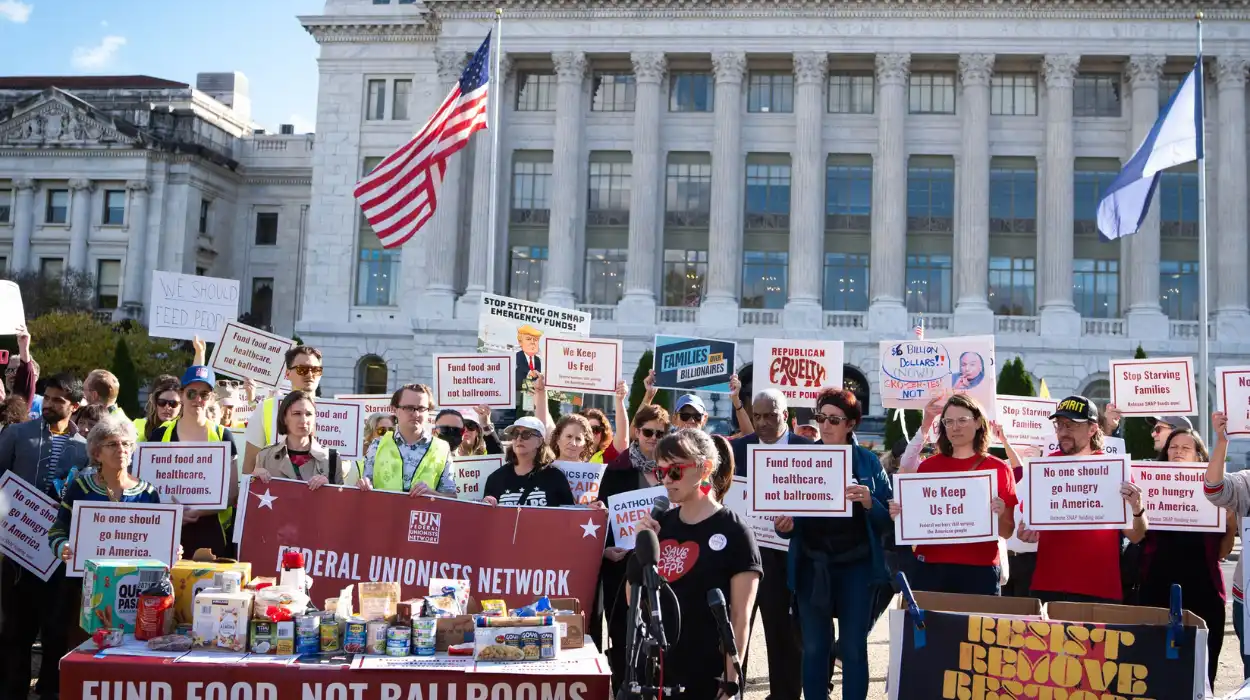
Several advocacy groups and unions argued that this interpretation
undermines the 2019 law’s intent and could deny furloughed workers legally
mandated compensation, igniting political controversy and calls for
clarification.
Do federal employees receive back pay after shutdowns?
Despite the protections codified in law, whether furloughed
federal employees receive back pay after a shutdown remains subject to
political, administrative, and legal factors. Officially, the Government
Employee Fair Treatment Act mandates back pay, but recent administrative
actions in 2025 raised doubts regarding automatic disbursal.
The OPM (Office of Personnel Management) maintains that furloughed
employees are entitled to retroactive pay as soon as possible after funding is
restored. The delay or ambiguity arises primarily from altered guidance issued
by the OMB and related departments, which some interpret as limiting the back
pay guarantee to accepted employees only those who continued to work during
shutdowns without pay.
This conflict has tangible effects on furloughed workers who
depend on timely payments to maintain financial security. Congressional
Democrats and labor unions have criticized the White House and OMB for
attempting to reinterpret or bypass the law, citing longstanding precedence
from previous shutdowns.
The contention also surfaces in the context of growing political
polarization over government funding and labor policies. Workers furloughed in
critical departments including the Transportation Security Administration,
social services, and IRS have faced gaps in income while competing priorities
delay Congressional appropriations needed to end funding blockage.
Drawbacks and broader consequences of Furloughs
The drawbacks of a furlough extend beyond immediate financial
hardship to encompass career stagnation, psychological stress, and reduced
motivation. Employees on furlough are effectively sidelined, losing
opportunities to contribute meaningfully and improve their skills. This
enforced inactivity can impact promotional prospects and diminish professional
development compared to peers continuing active work.
The uncertainty about furlough duration induces anxiety, stress,
and a sense of insecurity, which can degrade mental health and reduce workplace
morale. Families of furloughed employees may experience economic insecurity,
particularly when savings are insufficient and immediate expenses such as
housing and healthcare remain constant.
From an organizational perspective, furloughs can disrupt workflow
continuity, reduce institutional knowledge retention, and impose retraining
costs when operations resume. In government agencies, the practice affects
service delivery, public confidence, and employee loyalty, with ripple effects
across communities served by federal programs.
Frequent furloughs associated with recurrent government shutdowns
compound these challenges, creating structural vulnerabilities in the federal
workforce and policy implementation.
Policy debates and future outlook on back pay and furloughs
The debates surrounding furlough policies and back pay during
government shutdowns reflect broader tensions in U.S. governance over fiscal
responsibility, labor rights, and executive-legislative relations.
Proponents of current restrictive interpretations argue for fiscal
prudence and administrative discretion during funding crises, emphasizing the
need for bargaining leverage. Conversely, advocates for furloughed workers
stress the legal mandates and moral responsibilities to protect workers from
undue financial harm.
Recent controversies under the Trump administration’s guidelines
in 2025 have crystallized these debates, symbolizing challenges in maintaining
workforce stability amid political deadlock. The potential denial or delay of
back pay raises urgent questions about compliance with enacted laws and
fairness in federal employment.
Congress plays a critical role by legislating clearer provisions,
appropriating emergency funds to end shutdowns promptly, and exercising
oversight to ensure policies protect workers’ rights.
Technological and procedural improvements
Looking ahead, technological and procedural improvements promise
to streamline back pay distribution and minimize disruption. However, systemic
reform addressing shutdown causes and labor protections remains necessary to
reduce furlough frequency. Strengthening legal frameworks to unequivocally
guarantee back pay, expanding employee assistance programs, and fostering
bipartisanship on funding agreements can help avert repeated crisis-induced
furloughs.
In essence, the treatment of furloughed workers and their back pay
embodies fundamental questions about government operation continuity, employee
fairness, and fiscal policymaking. Balancing these concerns will shape federal
workforce resilience and citizen trust in democratic institutions. As the
government navigates uncertainties and political impasses, safeguarding federal
workers’ protections and rights remains a priority for ensuring effective
governance and social equity.