
- UK and
France conducted a joint operation targeting migrant smuggling gangs
facilitating dangerous English Channel crossings from northern France. - Raids
in Calais and Dunkirk regions led to 12 arrests in France and 2 in the UK,
with charges under smuggling laws. - Authorities
seized 15 outboard motors worth over €100,000, boats, life jackets, fuel,
and €50,000 in suspected profits. - Europol-coordinated
effort disrupted three major networks charging migrants up to €5,000 each,
building on post-Brexit UK-France pacts. - Operation
reduced crossings temporarily, with both nations pledging ongoing
intelligence sharing and patrols.
London (Washington Insider Megazine) – 28 January 2026 –
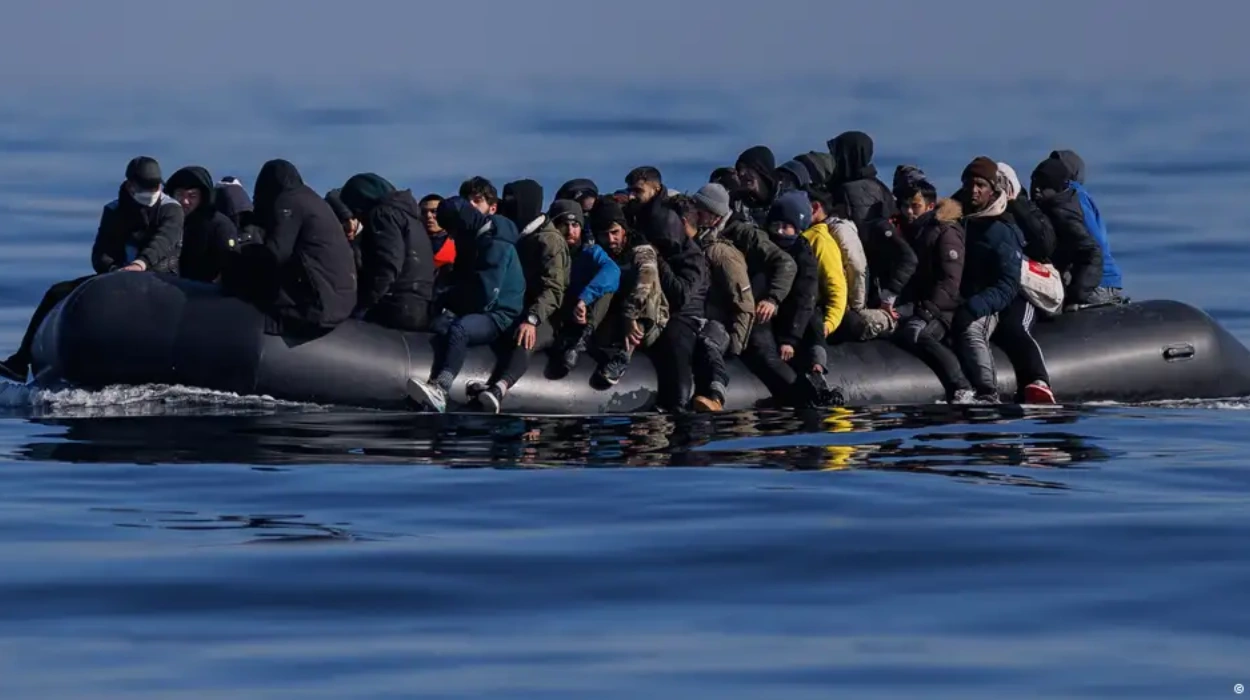
UK and French authorities have conducted a joint operation targeting migrant
trafficking gangs operating across the English Channel. The effort resulted in
multiple arrests and the seizure of boats and equipment used for small boat
crossings. Officials reported significant disruption to smuggling networks
responsible for dangerous migrant journeys.
French and British law enforcement agencies launched
coordinated raids as part of Operation Silver Arrow, focusing on smuggling
gangs facilitating illegal crossings from northern France to the UK. The
operation, which spanned several weeks, involved maritime patrols, intelligence
sharing, and land-based arrests.
French police in Calais and Dunkirk regions detained 12
suspects linked to organised crime groups. British Border Force and National
Crime Agency officers supported the actions from the UK side, intercepting
vessels and gathering evidence.
Operation Details and Arrests
The joint initiative targeted gangs using inflatable
dinghies and rigid-hulled boats to transport migrants across one of the world’s
busiest shipping lanes. French gendarmes executed dawn raids on stash houses
near Channel ports, recovering engines, life jackets, and fuel drums intended
for crossings. A spokesperson for the French Prefecture in Pas-de-Calais
confirmed that eight individuals faced charges of migrant smuggling under
French penal code.
UK Home Office officials noted that two additional arrests
occurred in Kent following intelligence from French partners.
Europol coordinated the intelligence exchange, providing
analysis of gang hierarchies and financial flows. The operation disrupted at
least three main networks, each moving dozens of migrants weekly at fees up to
€5,000 per person. Seized items included 15 outboard motors valued at over
€100,000 and cash totalling €50,000 believed to stem from smuggling profits.
French Interior Ministry statements highlighted the gangs’ use of social media
for recruitment and encrypted apps for logistics.
British Prime Minister’s office issued a statement praising
the collaboration, stating it demonstrated the “strong partnership”
post-Brexit on border security. The UK contributed specialist maritime units,
including drones for surveillance over the Dover Strait. No migrant fatalities
were reported during the operation period, though authorities noted ongoing
risks from overloaded vessels.
Background on Channel Crossings
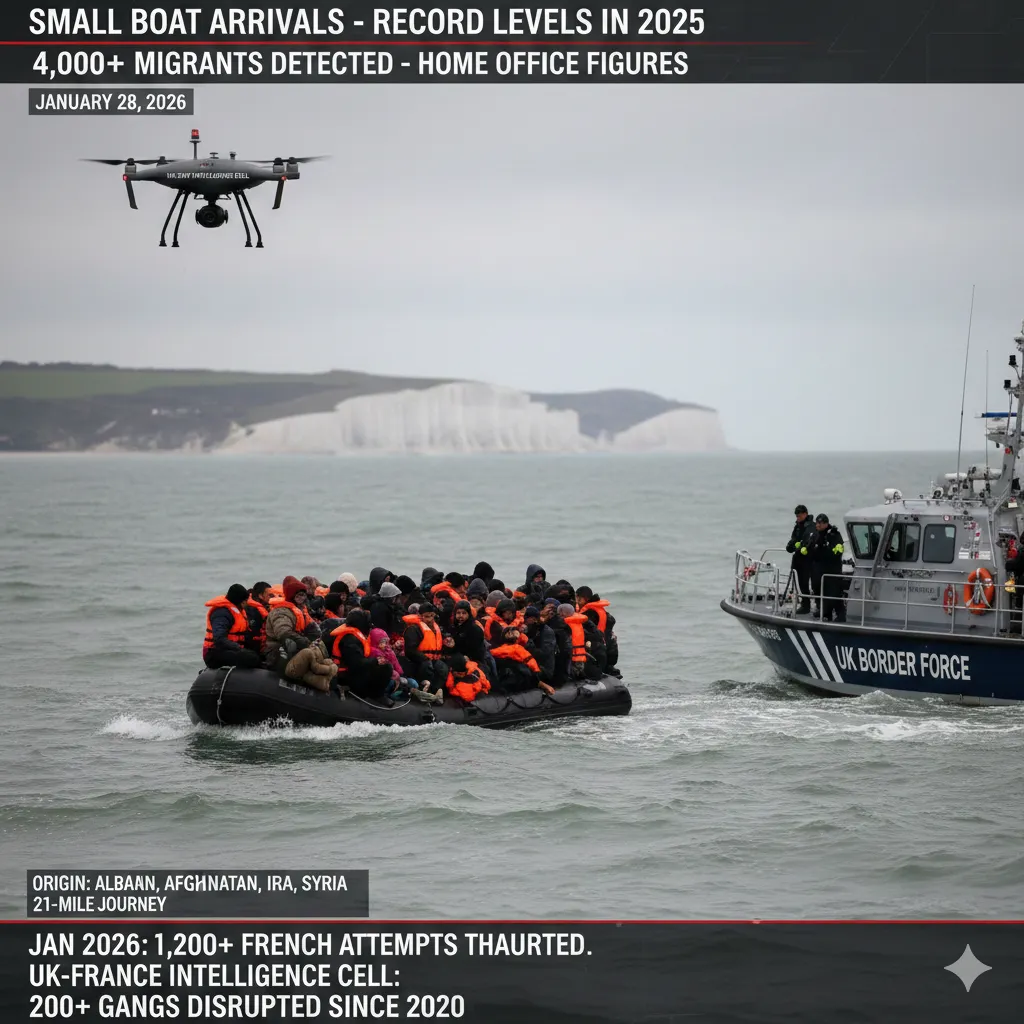
Small boat arrivals in the UK reached record levels in 2025,
with over 45,000 migrants detected, according to Home Office figures. Most
originated from Albania, Afghanistan, Iraq, and Syria, paying traffickers for
the 21-mile journey. French police recorded more than 1,200 crossing attempts
thwarted in January 2026 alone. The UK-France Joint Intelligence Cell,
established in 2020, has led to over 200 gang disruptions since inception.
Previous operations, such as Operation Dawn in 2024, yielded
18 arrests and 20 boat seizures. This latest effort built on those successes,
incorporating AI-driven pattern recognition for vessel tracking. The National
Crime Agency estimated smuggling generates £250 million annually for organised
crime. Migrants often endured cramped conditions, with at least 50 deaths
recorded in Channel waters over the past two years.
Government Statements and Measures
French President Emmanuel Macron’s administration emphasised
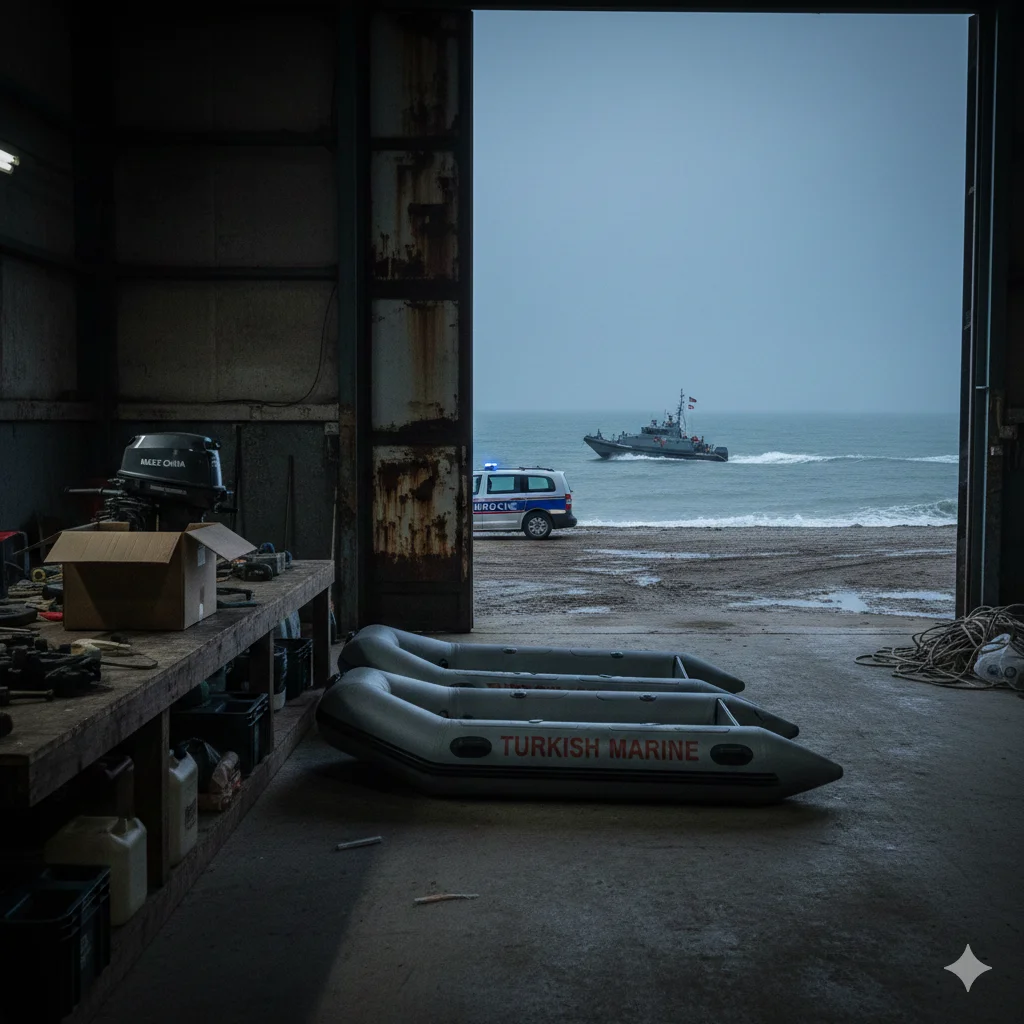
commitment to dismantling networks preying on vulnerable people. A Calais
prefecture report detailed how gangs sourced boats from Turkey and engines from
China, assembling them in makeshift workshops. UK Home Secretary Yvette Cooper
announced additional funding for joint patrols, totalling £10 million for 2026.
The operation aligned with the 2023 UK-France Sandhurst
Treaty, which mandates intelligence fusion centres and rapid response teams.
British MPs questioned Home Office ministers on progress, with data showing a
15% drop in crossings during the operation window. French judicial authorities
prepared trials for suspects, facing up to 10 years imprisonment under
EU-aligned smuggling laws.
Europol Director-General Catherine De Bolle described the
results as a “major blow” to transnational crime. Crossings resumed
post-operation, but at reduced volume, per provisional Border Force statistics.
Both nations pledged continued monthly reviews to adapt tactics.
Impact on Migrant Routes and Safety
Authorities
reported no immediate shift to alternative routes like the Western Channel,
though monitoring continued. The International Organization for Migration
documented 28,000 irregular Mediterranean arrivals in 2025, underscoring
Channel focus. UK deportation flights to Albania increased by 20% following
bilateral agreements.
French coastal radars detected 40% fewer launches in
targeted zones post-raids. Humanitarian groups like Care4Calais noted calmer
seas but persistent demand from camps housing 2,000 migrants near Dunkirk.
Border Force deployed more interceptors, equipped with night-vision
capabilities.
The joint operation underscored reliance on real-time data
sharing via secure platforms. UK-France ministerial summits scheduled for
February aim to expand scope to lorry smuggling. No rival gangs filled voids
immediately, per intelligence assessments.
Broader Context of Cooperation
Post-Brexit, UK-France border pact evolved through annual
migration conferences. 2025 saw 500 French-UK joint patrols, up from 300 prior
year. Europol’s European Migrant Smuggling Centre supported with forensic
accounting on gang finances.
NATO allies observed the model for Black Sea trafficking
parallels. Italian and Greek forces expressed interest in similar setups. UK
taxpayer funding supported French beach patrols, costing £6 million yearly.
Official tallies confirmed 150 arrests across Europe in
related actions since October 2025. The operation’s success metrics included
dismantled workshops and frozen bank accounts holding £200,000. Future phases
target upstream recruiters in origin countries.